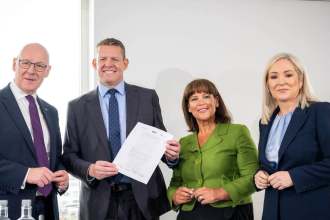



Dŵr Cymru confirmed the 5% rise — up £31 on last year — as part of a wider industry increase that will see water bills across England and Wales jump by an average of 5.4%. The company insists the money is needed to fund a £4bn investment programme between 2025 and 2030, including £2.5bn earmarked for environmental improvements.
But the announcement has landed badly in Swansea, where communities have repeatedly raised concerns about sewage pollution affecting rivers, beaches and coastal waters. The rise comes during a cost‑of‑living crisis that has already left many households struggling with food, energy and housing costs.
‘People are being told to pay more for a system that isn’t working’
Sam Bennett, Welsh Liberal Democrat Senedd candidate for Gwyr Abertawe, said the increase will anger families who feel they are being charged more while seeing little improvement in water quality.
“Asking families in Gwyr Abertawe to pay higher water bills while sewage continues to be dumped into our rivers and coastal waters is simply unacceptable,” he said. “People are already struggling with the cost of living, yet they’re being told to pay more for a system that clearly isn’t working.”
He said Swansea’s beaches and waterways are central to the region’s economy and quality of life, warning that continued pollution “damages tourism, harms wildlife and undermines public trust”.
Bennett called for a new Welsh regulator with “real teeth” and said water should be run “in the public interest”, arguing that a mutual ownership model would ensure customer money is reinvested into infrastructure rather than “disappearing elsewhere”.
“Water is a basic necessity, not a luxury,” he said. “People in Swansea deserve clean rivers, reliable services and fair bills — not rising costs alongside declining standards.”
Welsh Water says investment is essential
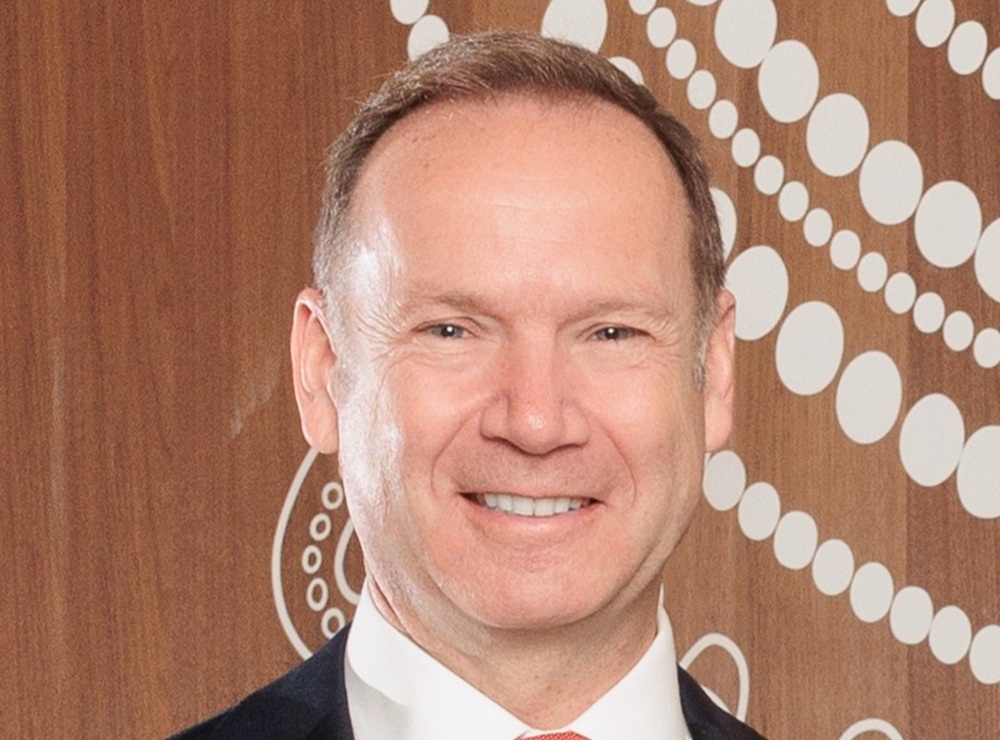
Welsh Water said the rise will help fund major upgrades to reduce pollution, cut leakage, improve water quality and modernise ageing infrastructure. The company, which operates on a not‑for‑profit basis, said customers will still pay “less than £2 a day” for water and wastewater services.
Roch Cheroux, Welsh Water’s chief executive, said the company must “deliver the service customers want at a price they can afford”, but acknowledged that recent increases have been “substantial”.
“We understand that the recent price rises have been substantial at a time of rising costs across the board for our customers,” he said. “Our aim is to deliver value for money, and we will work tirelessly to show our customers the value of all that we do for their communities and the environment.”
The company said its social tariff schemes will support up to 147,000 vulnerable customers.
Bills rising faster than inflation as sewage anger grows
The rise comes amid national frustration over sewage discharges and supply failures. Water UK said companies will invest £20bn in 2026‑27 to secure water supplies and reduce sewage spills, but critics say customers are being forced to pay for decades of under‑investment.
The Consumer Council for Water warned that complaints about affordability have surged, with concerns that households are being asked to pay more without seeing improvements.
Environmental groups have also criticised the industry. Surfers Against Sewage said customers are “getting sick from sewage” while money is “swallowed up servicing debt piles”. River Action said the current model “has failed” and accused companies of relying on bill payers to fund upgrades.
How Welsh Water compares
Dŵr Cymru’s 5% rise is below some of the steepest increases elsewhere. Severn Trent bills will rise by 10%, Bristol Water by 12% and Affinity Water’s central region by 13%. The national average increase is £33.
Despite this, Welsh Water customers will still face one of the highest annual bills in the UK at £683 — higher than Anglian Water, Northumbrian Water, Severn Trent, United Utilities and Yorkshire Water.

Discover more from Swansea Bay News
Subscribe to get the latest posts sent to your email.