Patients who needed a hip replacement on the NHS in south-west Wales waited well over a year on average to be treated, figures released under Freedom of Information show.
At Swansea Bay University Health Board, the average wait for elective hip surgery was around 16 months in the year to the end of March 2026.
At Hywel Dda University Health Board, which covers Carmarthenshire, Ceredigion and Pembrokeshire, the average was around 15 months.
Together, more than 3,000 people were on the two boards’ waiting lists for a hip replacement — 1,476 at Swansea Bay UHB and 1,608 at Hywel Dda.
Welsh Government targets state that 95% of patients should be treated within 26 weeks of referral — around six months — and 100% within 36 weeks.
On that measure, both boards are treating hip patients far more slowly than the standard sets out, though the fuller picture shows waits that have been falling from much higher peaks.
At Swansea Bay UHB, the average wait has dropped sharply over three years: from around 30 months in 2023/24 (131 weeks), to around 18 months in 2024/25 (77 weeks), to around 16 months last year (70 weeks).
Hywel Dda’s figures moved differently. Its average rose from around 20 months in 2023/24 (611 days) to around 23 months in 2024/25 (689 days), before falling to around 15 months last year (450 days).
There is an important caveat in how these averages work. They measure how long patients who were actually treated had waited — so they do not capture people still on the list, and a falling average can sit alongside a growing waiting list.
That is exactly what has happened at both boards.
At Swansea Bay UHB, 1,476 patients were on the waiting list for a hip replacement at the end of March 2026 — up from 1,141 a year earlier, though down from 1,437 two years ago.
At Hywel Dda, 1,608 people were waiting as of 28 May 2026 — the larger of the two lists.
The boards measure their fastest cases slightly differently. Swansea Bay UHB said the quickest-treated 5% of patients waited 10 weeks or less last year, while Hywel Dda recorded a shortest single wait of 14 days.
In its response, Hywel Dda set out the standards it works to. A spokesperson said its orthopaedic service “is working to ensure its waiting lists are meeting Ministerial Measures set by Welsh Government.”
Those measures, the board said, require “no patients waiting longer than 52 weeks for their first outpatient appointment and no patients waiting longer than 104 weeks (two years) for treatment” — a longer benchmark than the 26-week referral-to-treatment target.
The board added that all patients “are prioritised in accordance with Royal College Guidance and treated in turn in accordance with the national policy,” ensuring the most clinically urgent are seen first.
Swansea Bay UHB’s response set out its figures without further comment.
Long waits have led some patients across the UK to explore private treatment, either at home or overseas. The numbers doing so from these two boards’ lists, however, appear small.
Swansea Bay UHB said fewer than five patients were removed from its hip waiting list in the past year because they had chosen to go private — a figure it withheld in full to avoid identifying individuals.
Hywel Dda said 16 patients were removed from its list over the same period after electing for private treatment.
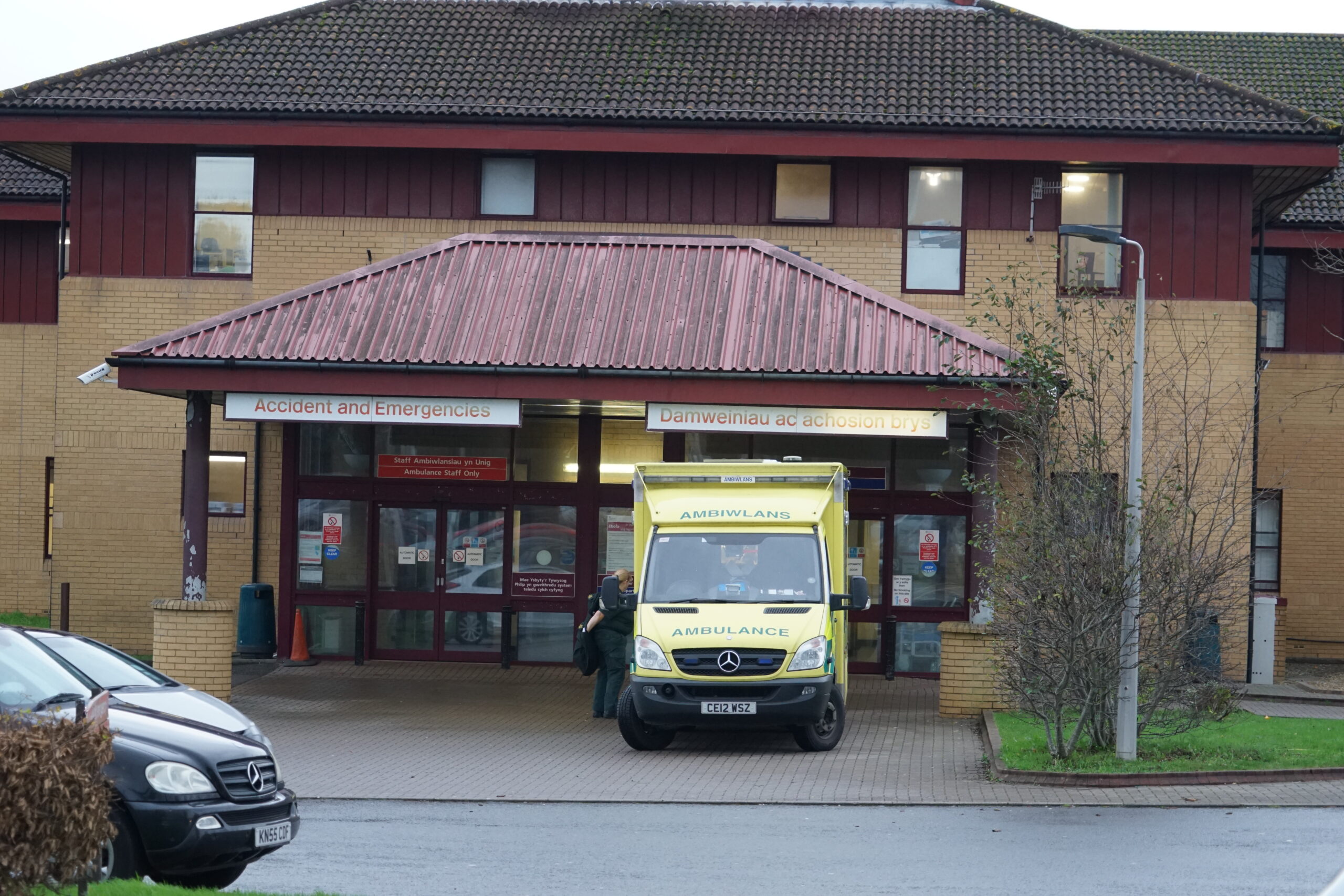
Both health boards have invested in orthopaedic capacity in recent years. Hywel Dda opened new day-surgery units at Prince Philip Hospital in Llanelli, backed by £20m of Welsh Government funding, which it said would help cut surgical waits across its area.
Cutting NHS waiting times has also been a recurring theme in Welsh politics, with dedicated orthopaedic treatment centres among the ideas floated to bring the backlog down.
The figures were obtained through Freedom of Information requests to the two health boards.

Discover more from Swansea Bay News
Subscribe to get the latest posts sent to your email.