The Welsh Rugby Union lost more than twice as much money last year as the year before, as its costs rose faster than its income.
The union made a loss before tax of £18.1m in the year to 30 June 2026, up from £7.2m, its newly published accounts show.
Its turnover rose by £10.1m to £116.2m. But its operating loss, before interest and tax, more than trebled from £4.7m to £14.8m.
The money it hands out to the four professional clubs and to the semi-professional and community game was unchanged at £32.6m, the WRU says.
They are the first accounts since the union shelved its takeover of the academies at all four professional clubs in August, blaming “budget constraints”.
Seven Wales games at the Principality Stadium, but only £2m more at the gate
Gavin Marshall, the WRU’s chief financial and operating officer, said: “This has been a challenging financial year. Whilst we have grown revenue, our costs have increased faster, and our financial performance has declined when compared to the previous year.”
The union hosted seven men’s internationals at the Principality Stadium, two more than the year before, but match income went up by only around £2m, he said.
He put that down to “lower average ticket prices, some lower attendances and the global economic pressure on consumer spending”.
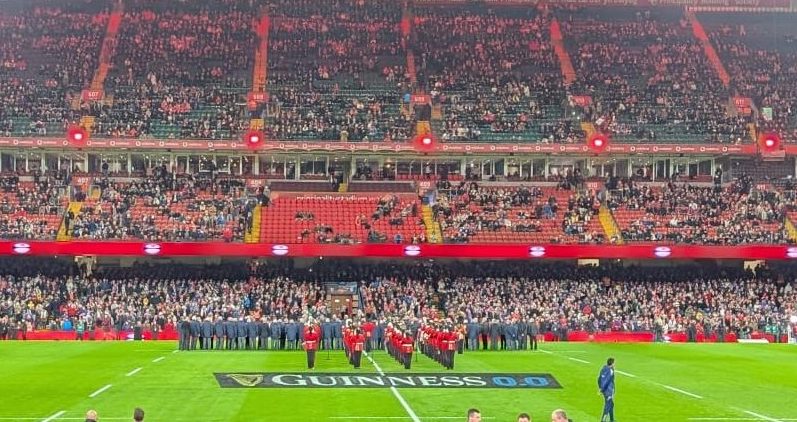
Whole sections of seats sat empty for Wales’ Six Nations defeat to France in February, when just over 57,000 turned up to a stadium that holds 74,500.
Two days before kick-off, more than 15,300 tickets for the game were still unsold, according to figures published by BBC Wales. Another 27,000 were still available for Italy in March.
Marshall said at the time that the stadium was central to the union’s financial model. Sports economist Prof Calvin Jones called it “mission critical”.
Former Cardiff Rugby director Hayley Parsons warned the clubs that week, writing: “We are already seeing a reduction in ticket sales.”
The cost of running the stadium and its events rose by about £7m last year, Marshall said, with more matches and events and higher staffing and delivery costs.
Cardiff Rugby’s first full year on the WRU’s books
It was also the first full year the union has owned Cardiff Rugby, which it took out of administration in April 2025 at a cost believed to be about £9m.
A sale to Ospreys owners Y11 Sport & Media collapsed in April, and the WRU said the club would stay in its ownership “for now”.
Cardiff made an underlying trading loss of about £1.2m, the WRU says. Accounting adjustments linked to the club took about another £7.6m off the union’s earnings figure.
On the union’s preferred measure of day-to-day earnings, known as EBITDA, the group fell from £32.8m to £19.7m. Without Cardiff, it fell from £35.2m to £28.5m, the WRU says.
Reform UK MS Carmelo Colasanto told the Senedd this month that the capital’s licence had been earmarked for a club the WRU itself owns. He said Cardiff’s £2.4m loss had been left out of the group’s adjusted operating figures.
What the WRU’s losses mean for the Ospreys and Scarlets licence fight
The union’s case for cutting Wales to three professional men’s clubs rests on money. In the documents behind its licence decisions, it said paying the four clubs £6.5m each, as it is doing for the next two years, is “unsustainable beyond 2028”.
It says it has about £20m a year for the men’s professional game, which would come to £6.7m a club if split three ways.
Director of rugby Dave Reddin blamed “the brutal economics of it all” last month, saying the union already pays for about half of the men’s clubs’ turnover.
The board refused calls to resign in August, saying there was no realistic prospect of Welsh rugby raising enough to fund four teams competitively beyond 2028.
Cardiff and the Dragons have been handed two of the three licences from the 2028/29 season, leaving the Ospreys and Scarlets to fight for the last one. The union says it will announce the outcome by the end of June 2027.
Swansea Council leader Rob Stewart says a well-run union could support four successful teams. The council’s High Court challenge against the union continues.
In the same Senedd debate, Plaid Cymru MS John Davies said Ireland’s union earned around £86m against the WRU’s £106m, yet Ireland’s men were third in the world.
Boxing, Bocelli and Sam Fender: the WRU’s plan to make the stadium pay
Marshall said: “Our priority is to improve the WRU’s financial performance and return the organisation to a sustainable position.”
He said a new ticketing strategy was in place and the union was working with caterer Aramark on food and drink and its margins. “Principality Stadium is one of the world’s great sporting venues, and we have significant opportunities to grow our income,” he said.
Wales host Japan, New Zealand and Australia there next month. Fans buying for those games can send £2 from every ticket to a grassroots club of their choice.
This year’s programme also includes major boxing, HYROX, Andrea Bocelli and Sam Fender, the union says. The first Women’s British & Irish Lions match, Euro 2028 games and the 2029 Women’s Champions League final are still to come.
Former Wales international and property developer Mike Hall has suggested the union could sell the stadium and lease it back.
Rugby supporter Rob Thomas, writing for Swansea Bay News in August, said doing it to cover operating losses would be “selling the family silver to pay the electricity bill”. His rule: “Never sell tomorrow to fund today.”
Marshall said the union would be “open and transparent” with the game’s volunteers about “our financial performance, the challenges we face and the progress we make”.
The accounts land a month before the union’s AGM on 22 November, by which point new chair Lyndon Faulkner will be leading the board. The “State of the Game” summit with all four professional clubs follows in early December.

Discover more from Swansea Bay News
Subscribe to get the latest posts sent to your email.