Almost half of babies born in Swansea Bay are now delivered by caesarean section, according to the health board.
The rate was 43% across 2025 and reached 46.3% in March this year. The figure for Wales as a whole in 2025 was 42%.
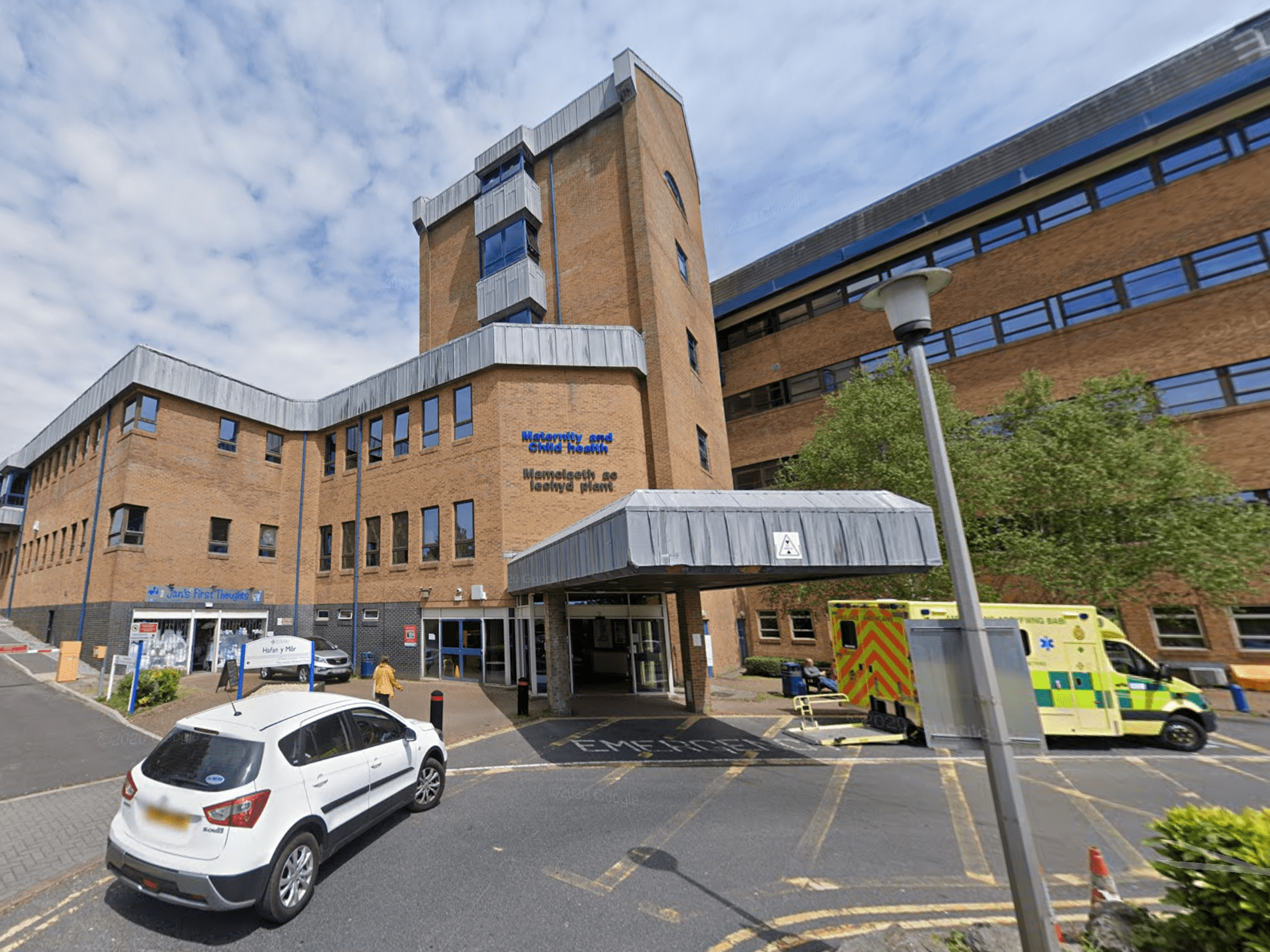
Nearly all of those babies are born at Singleton Hospital, where 96% of the area’s births took place between 2019 and March 2024.
The sharpest rise is in planned caesareans, booked in advance. They went from around one in five births in 2023 to one in four in 2025.
Across Great Britain, about one in six births in 2023 were planned caesareans, though the health board says the two figures are not a like-for-like comparison.
‘Around half of all births’
Caesareans “are likely to be around half of all births” in future, the board expects. It says services may need to put more focus on care after birth as a result.
The rise has knock-on effects for operating theatres, anaesthetists, staffing and recovery beds, it says, and the figures will inform plans for a second obstetric theatre.
Swansea Bay is not alone. Caesarean rates are climbing across Great Britain, driven mainly by more emergency operations alongside more planned ones, the board says.
What is driving its own numbers is not yet clear. The board says it will now break them down by groups of women and by clinical pathway.
Fewer babies, more complex needs
The rise comes as fewer babies are born. Swansea Bay recorded 3,277 births in 2024, down 6.2% on 2019, while Wales had 26,417 live births in 2025, its lowest total in the comparable series.
Yet admissions to the neonatal unit have stayed at around 39 a month, which the board says may point to babies needing more care. The unit also takes the sickest babies from across the wider region.
Nearly two in five women reported a mental health condition when they booked in 2025, against just over a third across Wales.
Almost a third of births were to women living in the most deprived fifth of Wales. Nearly one in five mothers were under 25, against fewer than one in seven across the UK.
Very early births were more common too, with about one baby in 80 born at 28 to 31 weeks, against one in 125 across the UK. The board says it is not clear how many of those mothers were transferred in from other areas.
Maternity still under Welsh Government intervention
The figures go to the board on Thursday, 26 November, as part of its response to the independent review that found repeated failings in its maternity care.
Its maternity and neonatal services remain at level four of Welsh Government intervention, the second highest. The independent panel overseeing improvements ended its formal role at the end of September.
Death rates around birth have improved, according to the board. For babies born in 2024, the stillbirth rate was 3.54 per 1,000 births, around the average for similar health boards.
If you have been affected by any of the issues raised, the Samaritans can be reached at any time on 116 123.

Discover more from Swansea Bay News
Subscribe to get the latest posts sent to your email.