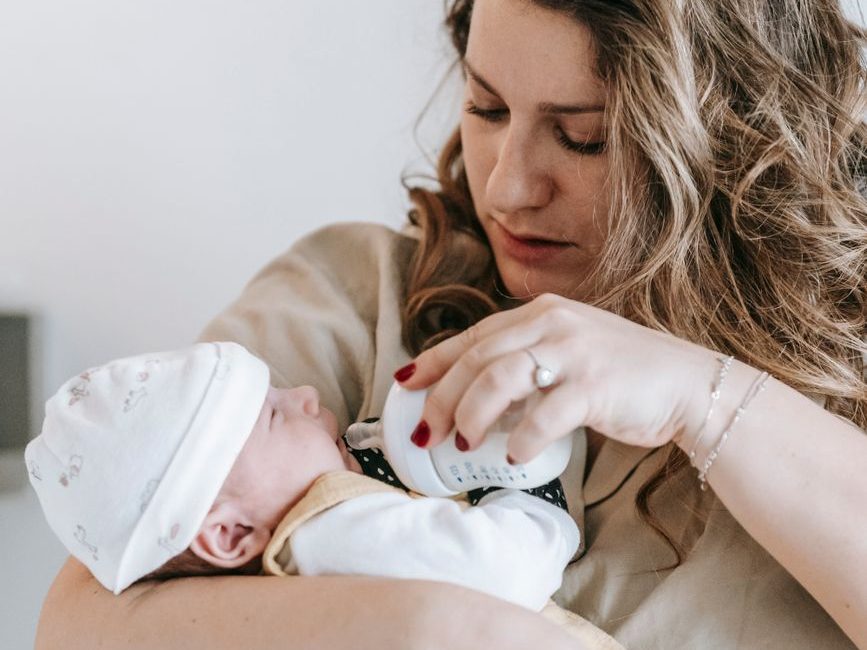
Parents across the UK are watering down their babies’ formula, leaving their homes unheated and falling into debt they cannot repay as the price of infant milk soars, Swansea University research has found.
One in ten of the struggling parents surveyed admitted taking formula from a shop without paying, which researchers describe as an act of last resort by families in absolute desperation.
The study, funded by the Medical Research Council and published in the journal Maternal and Child Nutrition, is the first of its kind in the UK. It explored the experiences of 281 parents struggling with formula costs through surveys and interviews.
Almost four in ten had turned to feeding practices they knew could harm their babies: reusing leftover formula, watering it down to stretch a tin further, or cutting back on sterilising bottles.
The financial toll ran through almost every home in the study. Nearly half of parents had taken on debt they found difficult to repay, 43% had fallen behind on bills, and more than a third had left their homes unheated. One in five mothers cut maternity leave short and returned to work early to pay for feeds.
Others reached for cheaper workarounds, with nearly half introducing solid food before their baby was ready and 45% switching to cheaper milk intended for older babies.
The researchers found the strain had triggered a crisis of anxiety, guilt and isolation, with nearly every parent surveyed reporting damage to their mental health. One anonymised participant told the study: “Sometimes I regret having this baby and I feel awful about having those thoughts because I love her so much but I’m not a good mum to her.”
A 45% price rise, and margins of up to 75%
Amy Brown, Professor of Public Health at Swansea University, who led the study, said formula prices were high before the cost-of-living crisis and rose by up to 45% between 2021 and 2023.
She pointed to a recent Competition and Markets Authority report which she said had identified excessive price rises for infant formula and profit margins of between 50% and 75%.
“This is a significant issue because infant formula is not a discretionary product,” Professor Brown said. “When infants are not breastfed or not fully breastfed, infant formula is needed to support growth and development.”
Formula is a fact of life for most UK families. More than half of babies receive it in their first week, the study notes, and 88% have had some formula by six months, with low-income households far more likely to rely on it.
Many of the mothers in the study had wanted to breastfeed but could not get the support to do so, leaving them feeling let down twice when they then struggled to afford formula. Earlier Swansea University research found breastfeeding support services poorly suited to the mothers who need them most, and a Swansea Bay trial has been testing whether extra peer support helps new mothers keep going.
Professor Brown said the team had expected to see the experiences already appearing in the media, “but were shocked at how many families it was affecting and how deeply”.
She said mothers described feeling heartbroken and as if they had failed, with some attributing postnatal depression to the pressure. “We urgently need more holistic support across infant feeding that both ensures more women who want to breastfeed can do so, and those who are using formula have reliable access to affordable products that put babies and parents first,” she said.
The study was carried out with Cardiff Metropolitan University, the University of Hertfordshire, First Steps Nutrition Trust, Leicester Mammas, the Independent Food Aid Network and the Newcastle upon Tyne Hospitals NHS Foundation Trust.
If you are struggling, the Samaritans are available around the clock on 116 123.
Related stories from Swansea Bay News
Nestlé recalls baby formula over food poisoning fears as parents urged to check products
Parents across Wales were urged to check their cupboards after several SMA products were recalled in January.
New review finds Autistic mothers face extra barriers to breastfeed
Swansea University research found feeding support often fails to meet the needs of Autistic women.
Mum’s the word as baby feeding trial attracts almost 200 volunteers
Swansea Bay midwives joined a UK-wide study into whether extra support helps new mothers feed their babies.
Wales’ first Milk Bank for newborn babies opens in Swansea Bay
The Singleton Hospital hub supplies donated human milk to ill and premature babies.
Discover more from Swansea Bay News
Subscribe to get the latest posts sent to your email.