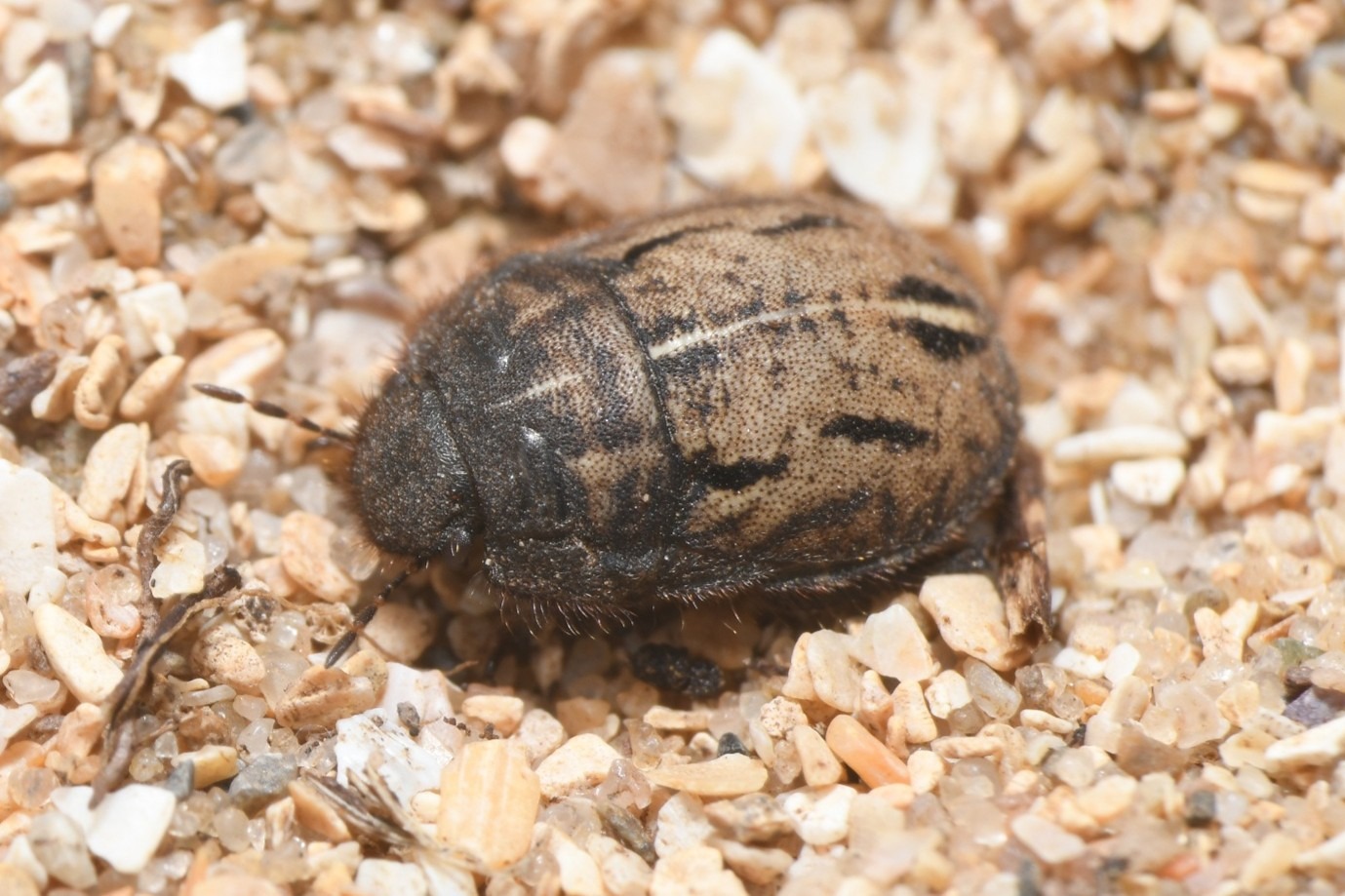
A rare beetle that hitches a ride to bee nests has been found breeding again at Castlemartin Range in Pembrokeshire, the only place in Wales it is known to live.
Surveyors spotted larvae of the short-necked oil beetle this year, after searches in 2022 and 2025 turned up only dead adults, according to Natural Resources Wales.
The find came on what the Bumblebee Conservation Trust says is the last survey of the species for its project.
How the short-necked oil beetle hitches a ride to bee nests
The beetle, Meloe brevicollis, cannot complete its life cycle without solitary bees.
Once they hatch, its larvae climb on to nearby flowers and cling to visiting bees, riding back to their nests. There they feed on the pollen the bees have gathered until they grow into adults.
Its home has to be just right, with bare earth to lay eggs in, thick vegetation for shelter and plenty of flowers. NRW says that leaves only a handful of suitable sites across the UK.
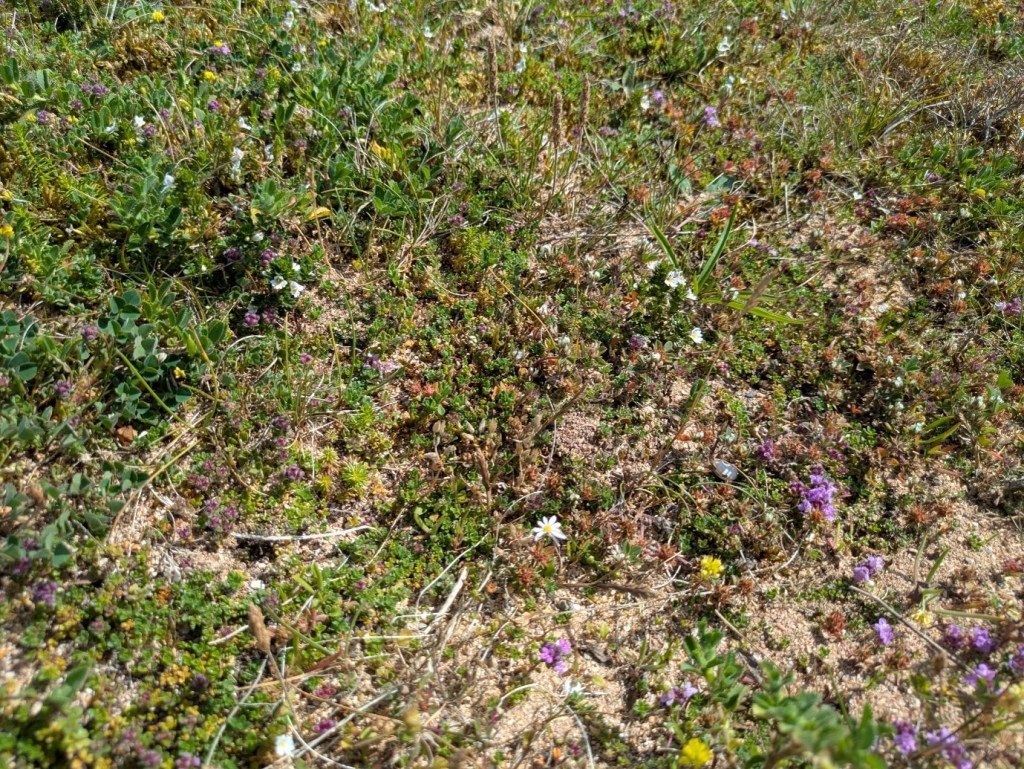
Hatchlings from a bigger batch at Castlemartin Range
This year’s larvae were found on a small area of the range.
Their number and spread, along with the time of year, suggest surveyors found some of the hatchlings from a bigger batch, according to NRW.
The range has been surveyed and monitored by the Bumblebee Conservation Trust as part of its Shrill Carder Bee project.
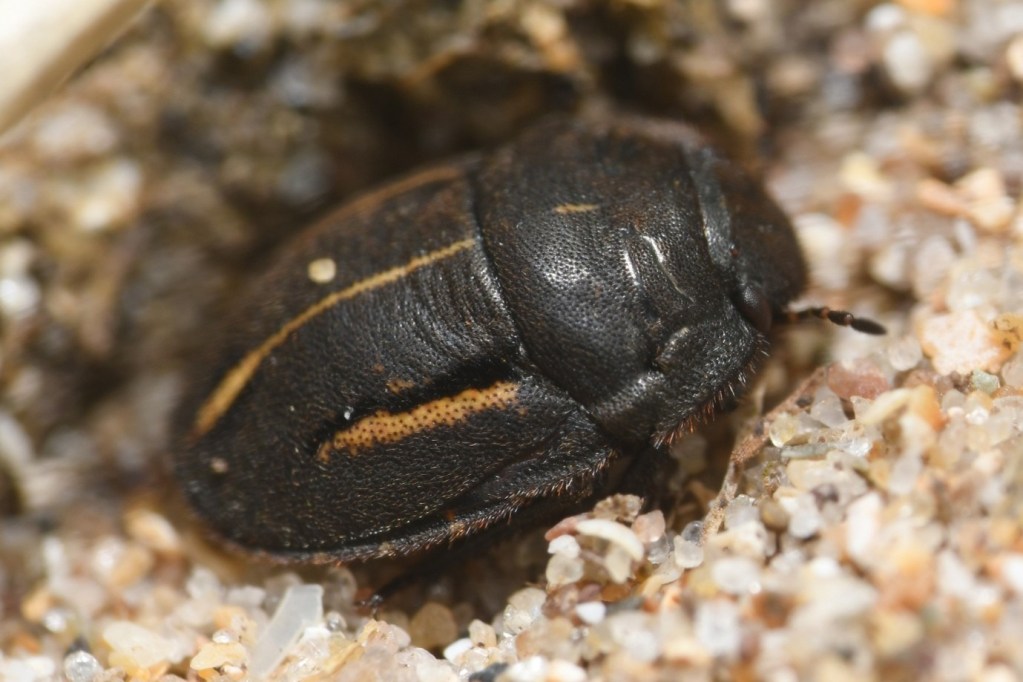
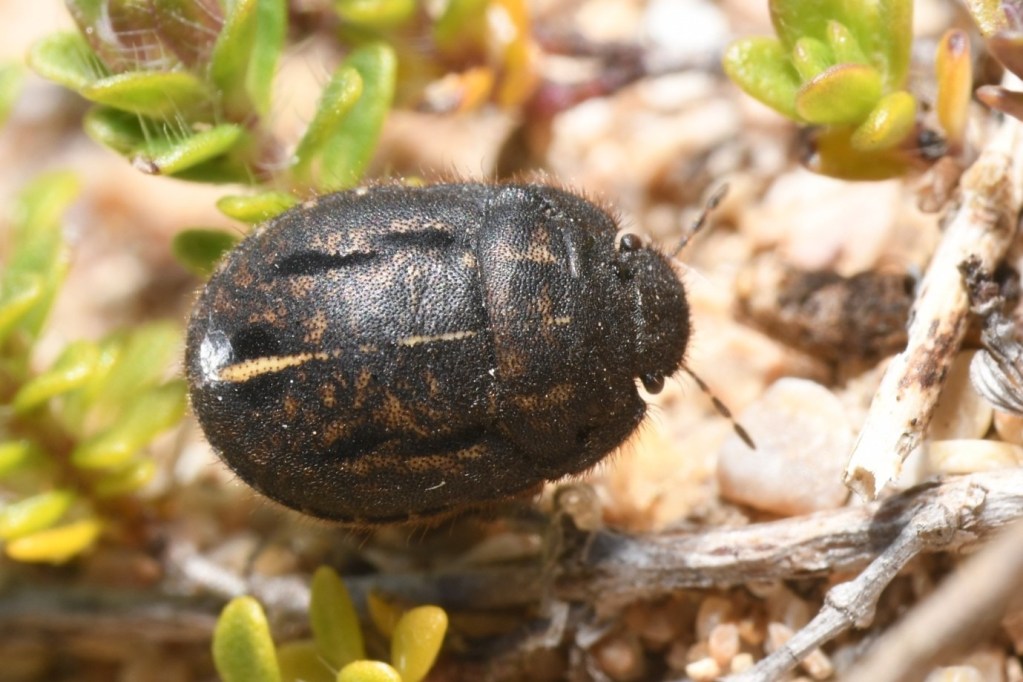
“An amazing creature”: Bumblebee Conservation Trust on the oil beetle
Anna Hobbs, project delivery officer for the trust, said it was “very exciting to find this species and evidence of its breeding again, especially considering it will be the last survey for the species for our project”.
She said: “The Short-Necked Oil Beetle is an amazing creature and not only depends on a very specific habitat to survive, but the presence of solitary bees as well.”
That meant the trust’s work had to “consider the needs of several species to be effective”, she added.
She thanked partners and volunteers for “persevering with us after two years without larval sightings”, and said she looked forward to the site being managed so the beetle “can survive now and into the future”.
Shrill carder bees, Goldilocks aster and pale dog violet
The Shrill Carder Bee project is funded by The National Lottery Heritage Fund and is part of Natur am Byth, Wales’ flagship species recovery programme.
As well as the shrill carder bee, it works to protect species that share the same habitats, including the Goldilocks aster and the pale dog violet.
Natur am Byth brings together nine environmental charities and NRW, and runs surveys and volunteering events all year round. Details are at naturambyth.wales or by emailing naturambyth@naturalresources.wales.

Discover more from Swansea Bay News
Subscribe to get the latest posts sent to your email.