

Twenty-one underwater microphones are sitting on the seabed of the Celtic Sea, recording whales, dolphins, porpoises and seals before the floating wind farms are built above them.
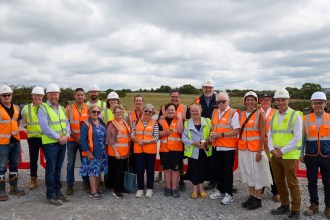
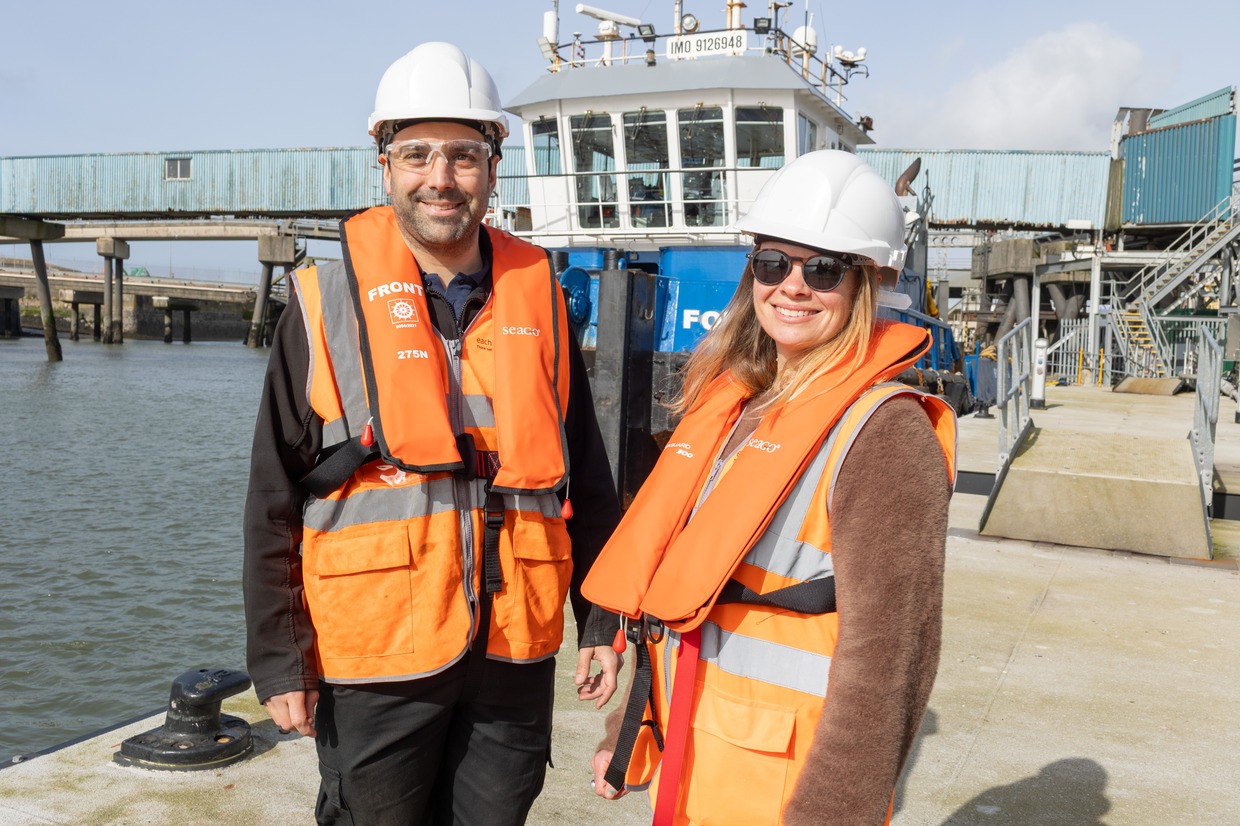
They were placed last October by the Offshore Renewable Energy (ORE) Catapult, the UK’s offshore renewables innovation centre, which has an office at Pembroke Dock. The £2.7m SubSea Soundscape project was formally launched on Tuesday.
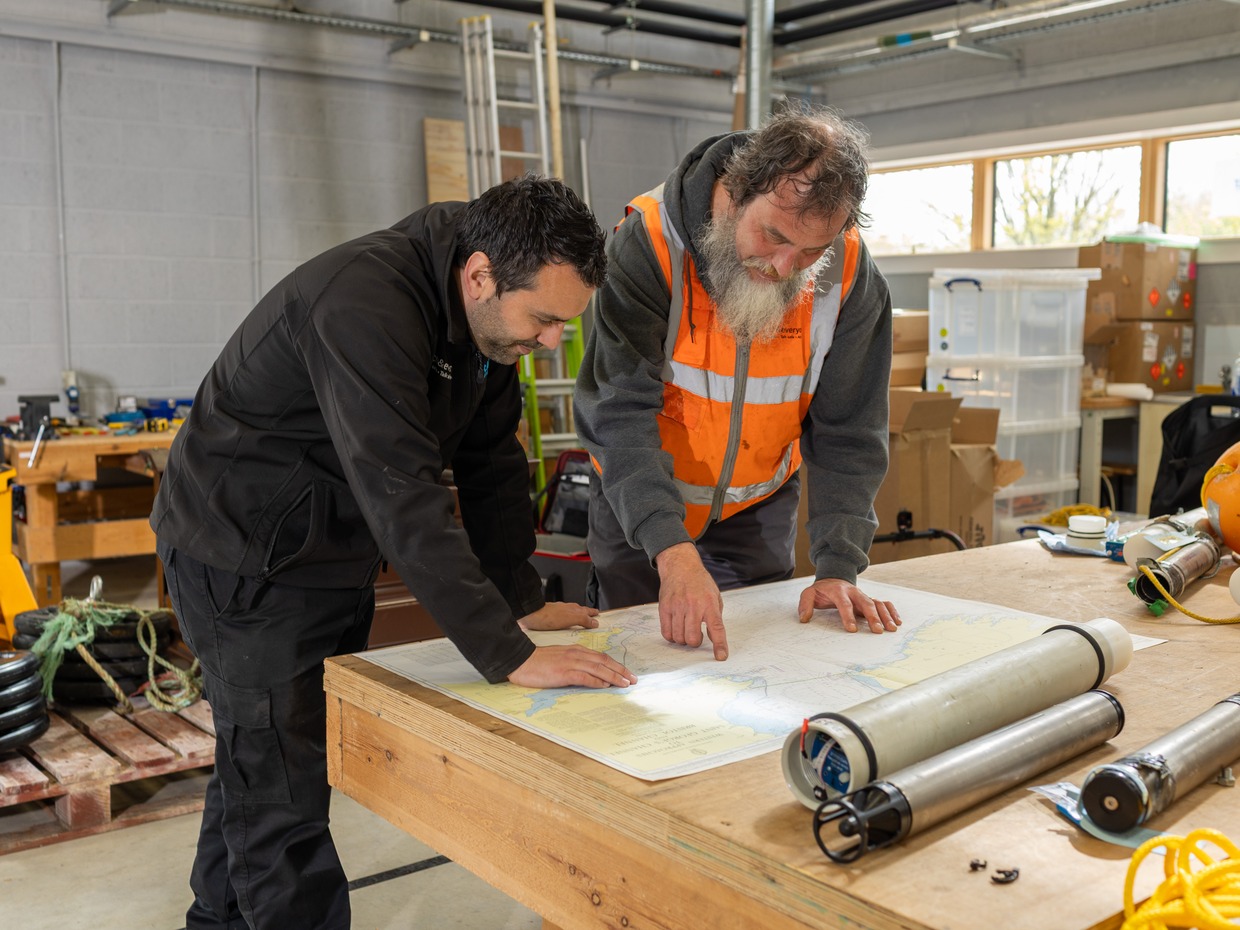
The recorders sit around 20km apart across the sea between south west Wales and Cornwall, the stretch of water where three large floating wind farms are planned and where the Llŷr test project won consent in August.
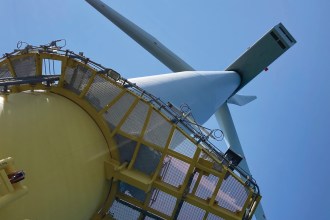
Floating turbines are needed in the Celtic Sea because the water is too deep to fix them to the seabed. They sit on floating platforms, anchored by cables, and nobody yet knows in detail how the animals below will react to them.
“Like dictaphones on the seabed”
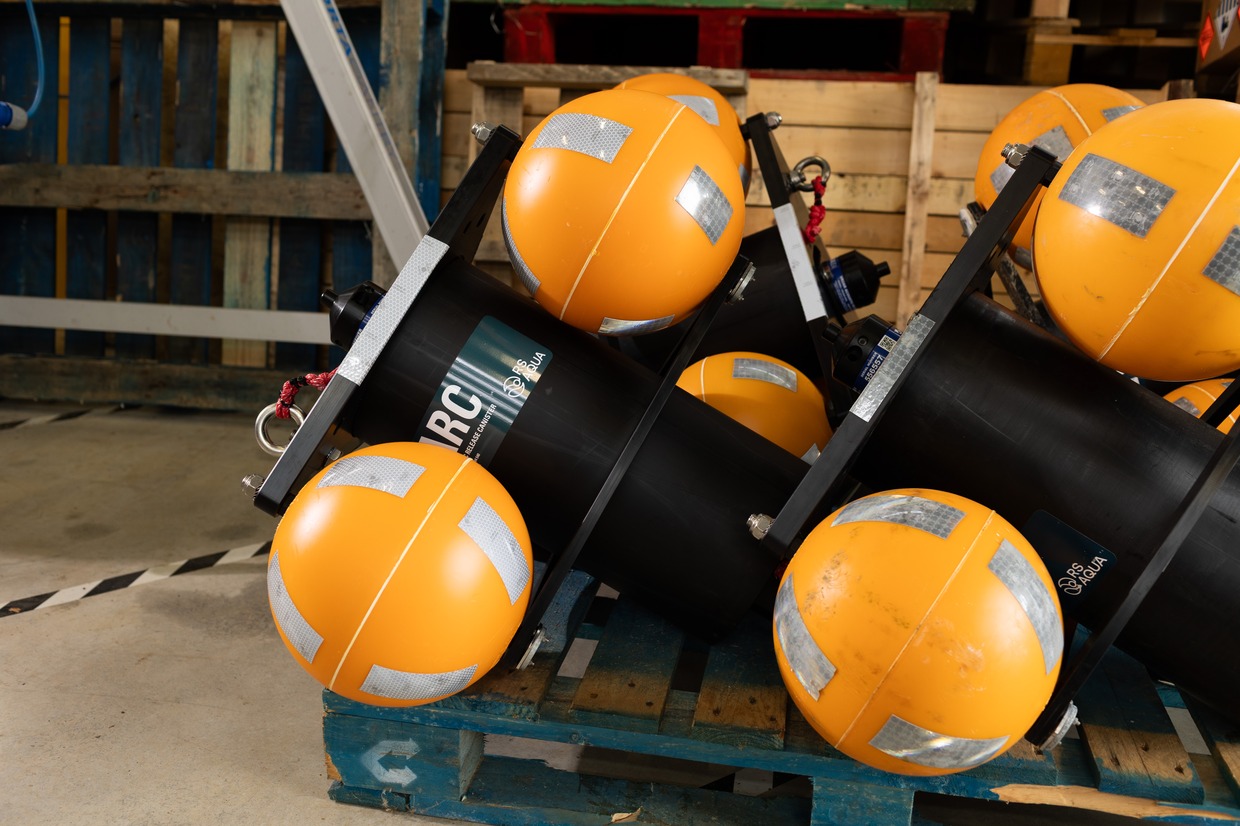
Professor Matthew Witt of the University of Exeter, a partner in the project, said the stations “act like dictaphones, recording sound across a range of bandwidths”, giving a picture of the underwater environment that satellites cannot.
His argument is about scale. “Previously, lots of small-scale surveys have looked at how animals could respond to large engineering projects. However, many have failed to recognise that animals live on a large geographical scale.”
“As wind farms increase in number and size, it’s vital to assess their potential effects on the environment at the scale of which these animals actually exist, rather than in small areas of water that they could occupy at any one time.”
The project runs for three years, to December 2027, and combines the new recordings with existing acoustic data to build a map of where the animals are and how noisy the water already is.
Public data, faster decisions
Everything recorded will be published on the Marine Data Exchange, the Crown Estate’s open marine data store, for developers, regulators and statutory bodies to use.
That matters because getting permission to build an offshore wind farm depends on baseline evidence, and gathering it is a large part of why the process takes years. ORE Catapult says having the data ready before applications go in could shorten it.
Marie Kelly, business development team leader at ORE Catapult, said the project “could be groundbreaking for floating offshore wind development in the Celtic Sea”, cutting consenting times and environmental impact while making “more efficient and sustainable use of the seabed”.
The money comes from the Crown Estate’s Offshore Wind Evidence and Change programme, a £50m fund run with two UK Government departments that has backed 42 research projects so far.
Olivia Thomas, its head of planning and technical for marine, said the recordings “could help inform our spatial mapping approach to future offshore wind leasing”, which is the Crown Estate’s way of saying where the next sites go.
The seal detector
The third partner, Celtic Sea Power, has been gathering wind, weather, wave and bird data in the area since 2021. Neil Farrington, its strategic offshore development manager, said the new project builds on that and has already helped develop SealSpy, a system that picks out seal calls from underwater recordings.
The wind farms the data is for are large. Gwynt Glas, the 1.5GW floating project off south west Wales, took its first formal planning step this summer and gained Japanese trading giant Sumitomo as a partner in August, one of three Celtic Sea schemes from the Crown Estate’s latest leasing round expected to power more than four million homes between them.
Llŷr, the smaller test project off Pembrokeshire, is aiming for first power in 2031. The listening stations will have finished their work well before then.
Related stories from Swansea Bay News
CELTIC SEA: New Welsh Government approves its first offshore wind farm
Section 36 consent for Cierco Energy’s Llŷr test project off Pembrokeshire.
CELTIC SEA: Japanese giant Sumitomo buys into 1.5GW wind farm planned off south west Wales
Gwynt Glas takes a third partner and its first formal planning step.
Discover more from Swansea Bay News
Subscribe to get the latest posts sent to your email.