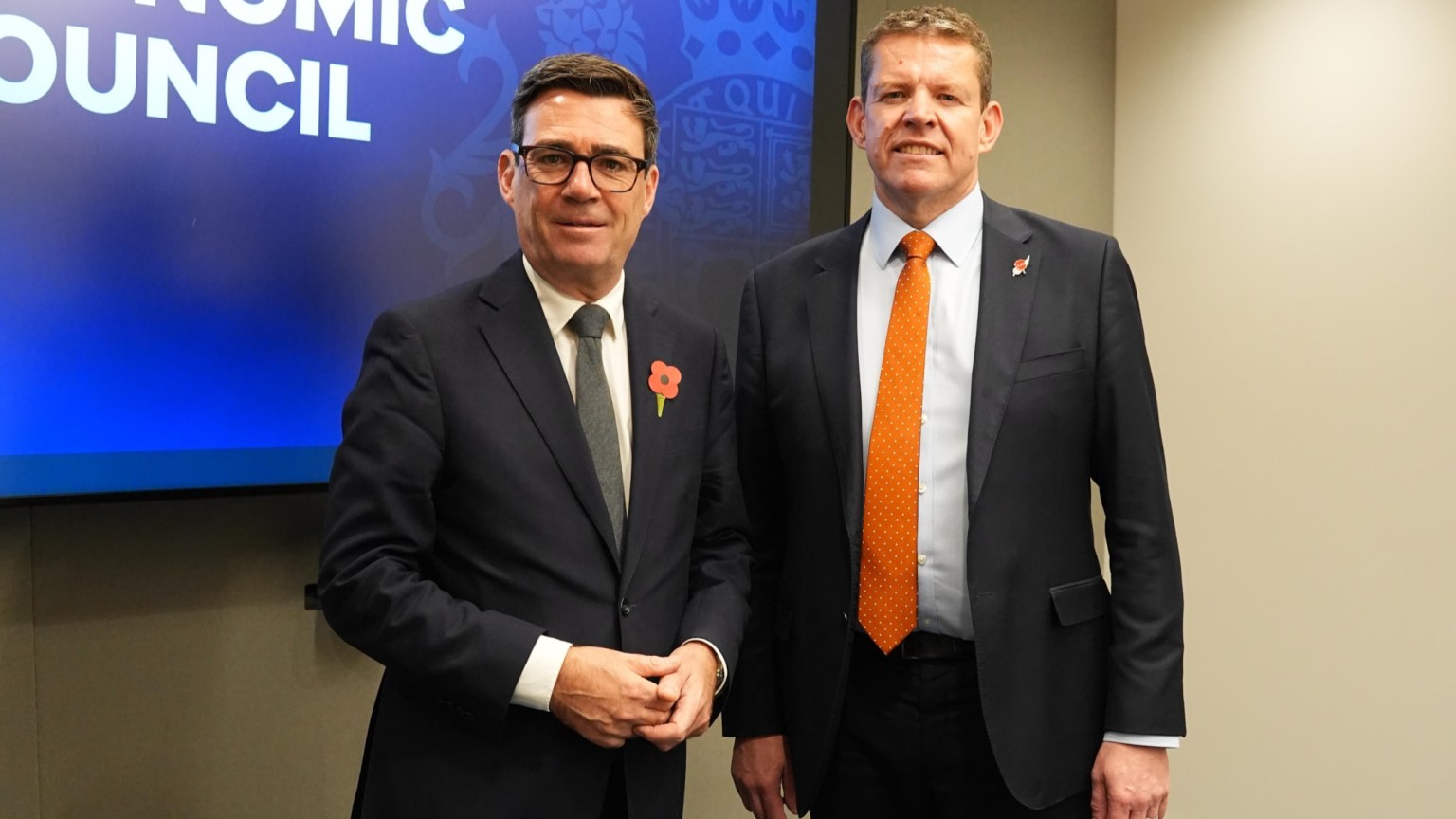
Wales could get more say over its own taxes and borrowing, with the First Minister saying after talks with the Prime Minister that the question is now “how and when” rather than whether.
Rhun ap Iorwerth met Andy Burnham in Glasgow on Friday. The Plaid Cymru MS for Bangor Conwy Môn said there was “an encouraging consensus” that the limits on what Wales can borrow and set aside “must be revised as a matter of urgency”.
He also used the meeting to draw a line on Burnham’s own plan to push power down to regions and cities. Any further devolution inside Wales, he told the Prime Minister, “is a matter for the Senedd and only the Senedd”.
And on Europe, he went further than Downing Street has so far been willing to go, urging Burnham to make rejoining the single market and the customs union a priority.
What Wales can and cannot do with its money
The Welsh Government can borrow £165m a year for building projects, up to a ceiling of £1.1bn, after both limits were lifted by 10% this year. Its rainy-day fund, the Wales Reserve, was capped at £350m before the same uplift, with set limits on how much can be drawn out in any one year.
Scotland works to different numbers: the Scottish Government’s capital borrowing limit this year is £471.7m, against a ceiling of just over £3.1bn. It can also borrow £628.9m a year to cover shortfalls in its tax take, where Wales is held to £200m.
Wales has set its own rates of income tax since 2019, and runs land transaction tax, landfill tax and business rates. Together they make up close to a fifth of the Welsh budget, with the rest coming as a block grant from the Treasury.
The First Minister has been pressing for powers to match Scotland’s since Burnham took office in July. Friday is the first time he has said the Prime Minister agrees the system has to change.
Two governments, two versions of devolution
Burnham arrived in Glasgow with an offer of his own. Through what Downing Street calls No10 North, he wants each nation to work with the UK Government on “regional empowerment”, putting more decisions in the hands of cities and regions rather than moving powers from one parliament to another.
The Prime Minister said: “Put politics aside and work in partnership with the UK Government to develop models of regional empowerment that ensure communities can use their own strengths to unlock their potential. This is the next stage of devolution.”
Stephen Kinnock, the Secretary of State for Wales and Aberafan Maesteg MP, was blunter. “Devolution was never intended to stop at Cardiff Bay,” he said, while accepting it was for the Welsh Government to decide how local government in Wales works.
That is where ap Iorwerth drew his line. He has his own plan for how local and regional powers are run in Wales, a green paper promised by the end of the Senedd term, and he wants it written in Cardiff.
Downing Street’s own account of the meeting does not mention tax, borrowing, rail or Europe. It says the First Minister agreed to a “policy sprint” led by No10 North, with officials from both governments looking at regional empowerment and reindustrialisation.
Rail money, child payments and Europe
On rail, ap Iorwerth said Burnham had given a “personal commitment” to look at the £14bn pledge, the pipeline of Welsh rail schemes the UK Government pointed to in May when HS2 was reset at up to £102.7bn with no money for Wales.
He also asked the Treasury to move quickly so the Welsh Government can start its Cynnal pilot, a £10-a-week payment for up to 15,000 children in families on Universal Credit.
On Europe, the First Minister said he had offered Burnham his “full support” in building a closer relationship with the EU, “urging him to go further and pursue rejoining the single market and customs union as a priority”.
That is the line of the pact Plaid signed with the SNP and Sinn Féin in September. It declares that the future of their nations “belongs in the European Union”.
Kinnock said afterwards he was “delighted that we can now move forward with discussions on where power, responsibilities and decision-making should sit to best serve the people of Wales”.
The two governments meet again in the spring. Burnham said he looked forward to Cardiff hosting the next National Economic Council in 2027.

Discover more from Swansea Bay News
Subscribe to get the latest posts sent to your email.