

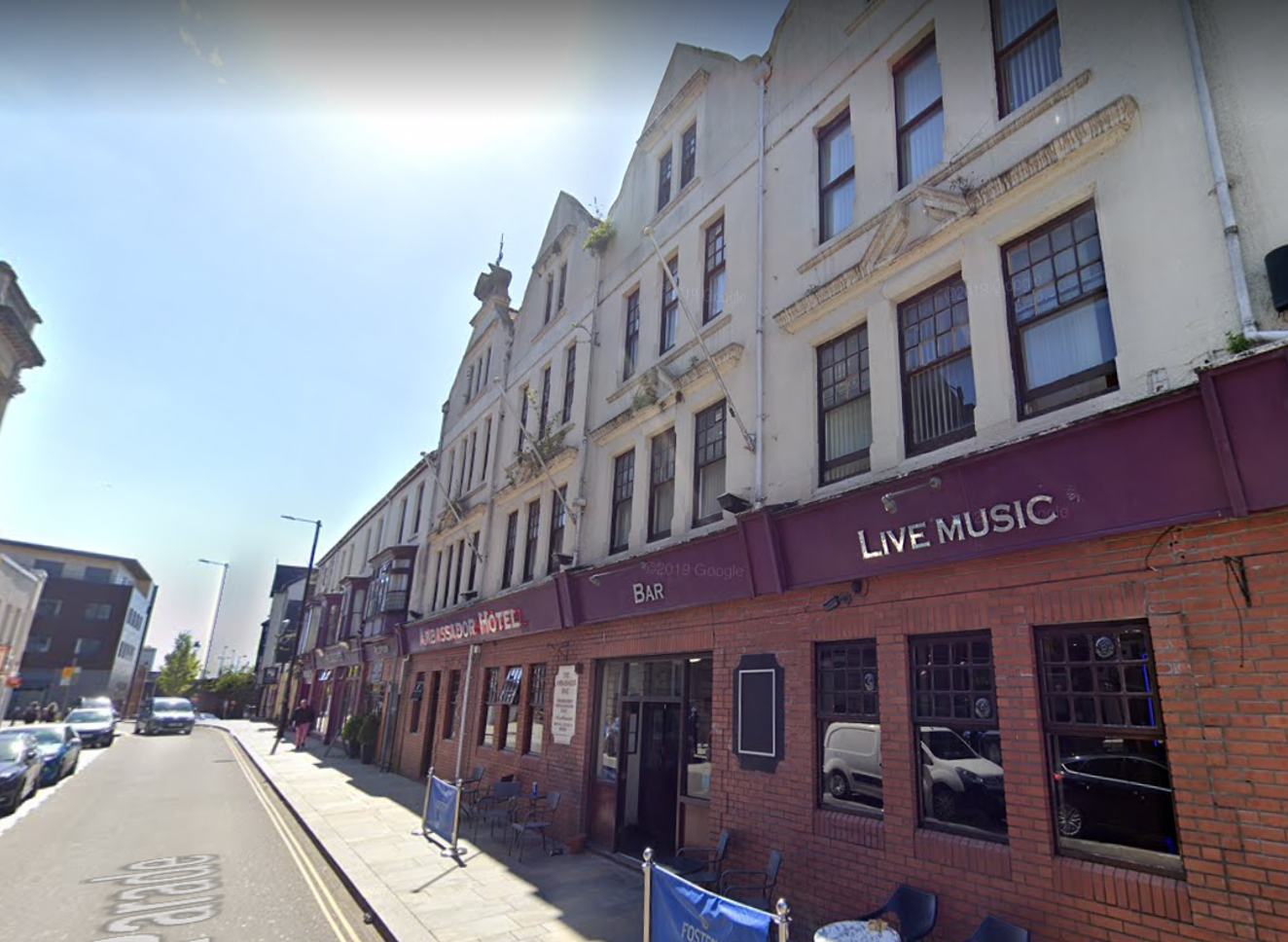
A man who spent his nights at the Ambassador Hotel in Neath living on pot noodles now has a kitchen, a housemate the same age with the same interests, and somewhere quiet enough to read a book, according to an account in a report going to councillors on Thursday. He is one of 27 people Neath Port Talbot Council says it has moved out of hotels and bed and breakfasts since April into houses it has bought outright.
The council has now completed all 20 purchases it set out to make when it approved the scheme in May 2025, the report says, the last of them on 28 August. Eleven are lived in, one is ready and eight are still being done up.
Five years after the council promised an alternative to the Ambassador
In April 2021, after a run of complaints about anti-social behaviour in Neath town centre, the council said hotel residents were not behind it and that it was “developing alternatives” to using the Ambassador that were “more appropriate and sustainable”. Thirteen of the 27 people rehoused this year came straight from the hotel, the report says.
Ten of the 11 occupied houses are shared between people who would otherwise be in a hotel room, and one is a settled home for a family, according to the report. It says eight of the 27 have since moved on, six of them into somewhere permanent, and 19 are still living across the ten shared houses.
‘I hardly notice him when he is here’
The report carries four residents’ accounts, with names removed. One said: “It feels like it has been a good placement and the other person I am sharing with is a similar age to me and we share similar interests. It is great to have cooking facilities, as when I was in the hotel I was surviving on pot noodles.”
Another admitted to reservations about leaving the Ambassador. “I cannot believe how quiet it is, and I have been able to read numerous books since moving, which I was unable to do in the hotel,” he said. “The other resident is very quiet, so I hardly notice him when he is here.” He has also, he said, “developed a friendship with my neighbour and the neighbour’s cat”.
A third says he has been tidying the garden and has met a few of the neighbours. “The location is perfect for me for work also as my manager passes the property on his way in to work,” he said.
A £3.6m hotel bill
The council’s own explanation for buying houses is the bill for not doing so. The cabinet paper that approved the scheme, which was never published, put bed and breakfast costs on course for £3.6m in 2024/25 and total temporary accommodation spend at £4.87m, according to Thursday’s report, and the same paper said the human cost was as bad: no cooking facilities, repeated moves, people cut off from the support they had.
Cabinet gave the project £4m over three years plus £60,000 a year for housing lawyers. The 20 houses have cost a projected £3,764,530, a mix of council money, developer contributions and outside grants that the council says it cannot yet split accurately, and it says it is too early to say what the houses have saved.
That is where the buying stops for now. The council says it will not go back to the market until it knows what outside grants it can use this financial year.
Sixty-six houses sold before the council could get through the door
Buying 20 houses meant looking at 324, and the market did not wait. Sixty-six were sold before officers could arrange a viewing and another nine went between viewing and offer, the report says; of the 99 it did get inside, 66 were rejected on inspection and three offers were later withdrawn.
Once a house is bought, it has taken three to six months to get someone living in it, depending on how much work it needs, the report says, and where it made sense the council says it has put solar panels on the roof. Ward councillors are told when an offer is accepted, and the council says their local knowledge has changed decisions “where concerns have identified that a property may not be suitable”.
A council that is now a landlord
The report itself calls the model “resource intensive”, pulling in housing, legal, finance, assets and repairs teams, and says that owning 20 houses brings maintenance, compliance and lifecycle costs the council will have to plan for. The next job, it says, is getting the eight empty houses lived in and cutting the wait between buying and moving in.
The council’s performance figures for the same meeting show it stopped 68 of 94 households from becoming homeless between April and June, 72%, against 31 a quarter at its low point in 2024. Across the county border, Swansea is taking the whole-building route, with a 72-studio former student block on St Helen’s Road due to open early next year.
The report is signed off by Deputy Leader Cllr Alun Llewelyn, cabinet member for housing and community safety, and goes to the social services scrutiny committee at Port Talbot Civic Centre and online at 2pm on Thursday. Councillors are asked to note it; nothing is being decided.

Discover more from Swansea Bay News
Subscribe to get the latest posts sent to your email.