


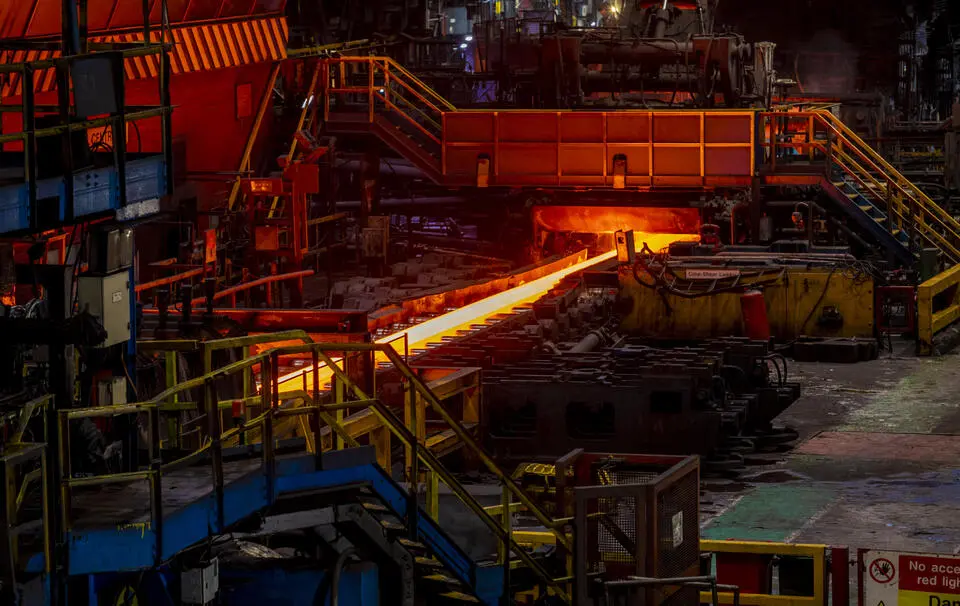
Tata Steel has warned that new UK rules meant to curb cheap steel imports do not go far enough to protect British producers, raising fresh concerns over the future of its Port Talbot operations.
The company was responding to the UK Government’s final steel import quota framework, published today, which takes effect from 1 July.
The measures are intended to shield UK steelmakers from a global glut of cheap steel by limiting how much can be imported tariff-free, with higher tariffs on imports above those limits.
But Tata Steel UK chief executive Rajesh Nair said the final quotas still allowed too much overseas steel into strategically important parts of the UK market.
“We do not believe the final quota levels published today reflect UK market conditions or the pressures facing the domestic steel industry,” he said.

He said several categories of steel would still face significant import competition, “exposing domestic production and supply chains to continued pressure.”
Mr Nair said the company was “disappointed by elements of the final framework” and “very concerned about the implications for the long-term competitiveness, sustainability, growth and future investment outlook for the UK steel sector.”
He said that if the government wanted UK producers to supply half of the country’s steel demand, the quota arrangements would need to offer stronger support, and called on ministers to reconsider parts of the framework.
The trade body UK Steel was also critical. Its director of trade and economics, Peter Brennan, said the new quota had in some areas “made the situation worse for UK producers,” singling out galvanised steel, where he said the allocation for Vietnam had been more than tripled.
He said there had been “an opportunity missed in key areas” that would leave parts of the UK supply chain exposed to heavily subsidised imports.
The government has defended the measures. From 1 July, tariff-free steel imports will be cut and tariffs on imports above the new limits will rise, in a framework ministers say is designed to protect UK steelmaking while still allowing manufacturers to source specialist steels not made in Britain.
It has exempted 11 categories of steel where there is no UK alternative, and has said it wants domestic producers to be able to meet up to half of UK demand.
The government has also pointed to the support it has already put into the industry, including £500m towards the new electric arc furnace being built at Port Talbot.
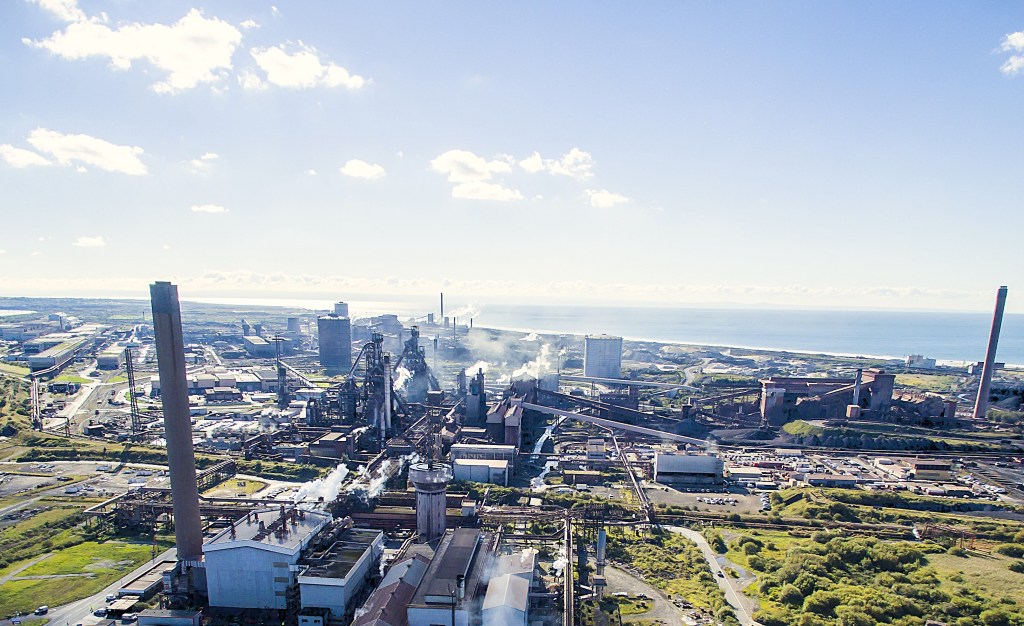
The intervention matters for Wales, where Tata is part-way through a major transformation of the Port Talbot works.
The company closed its blast furnaces in 2024, with the loss of around 2,000 jobs, and is replacing them with a new electric arc furnace expected to produce lower-carbon “green” steel.
Only yesterday, Tata was showing off a year of transformation as the giant new furnace neared completion.
But the transition has not been smooth. Earlier this month, the firm warned the project could be delayed by up to eight months because of a hold-up connecting it to the electricity grid.
Tata said it recognised the work the government had put into the framework during what it called an exceptionally challenging period for global steel, but urged ministers to keep working with the industry and to reconsider parts of the final arrangements.

Discover more from Swansea Bay News
Subscribe to get the latest posts sent to your email.