Two teenagers were rescued by Mumbles RNLI on Sunday evening after the rising tide cut off their route back to shore near Ginny’s Guy — and the crew are urging people not to follow their lead.
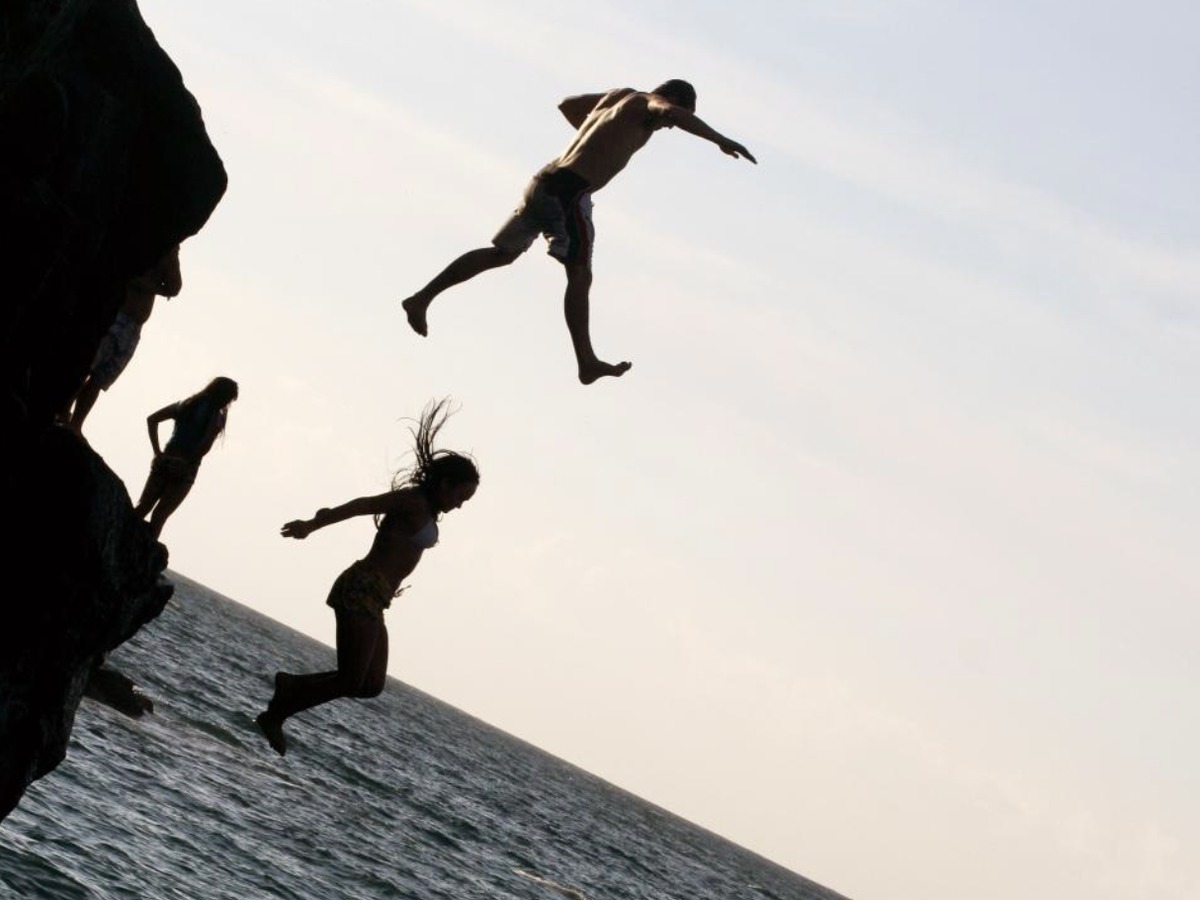
The pair had been tombstoning — jumping from cliffs or rocks into the sea — between Limeslade and Langland before the incoming tide left them stranded on the rocks.
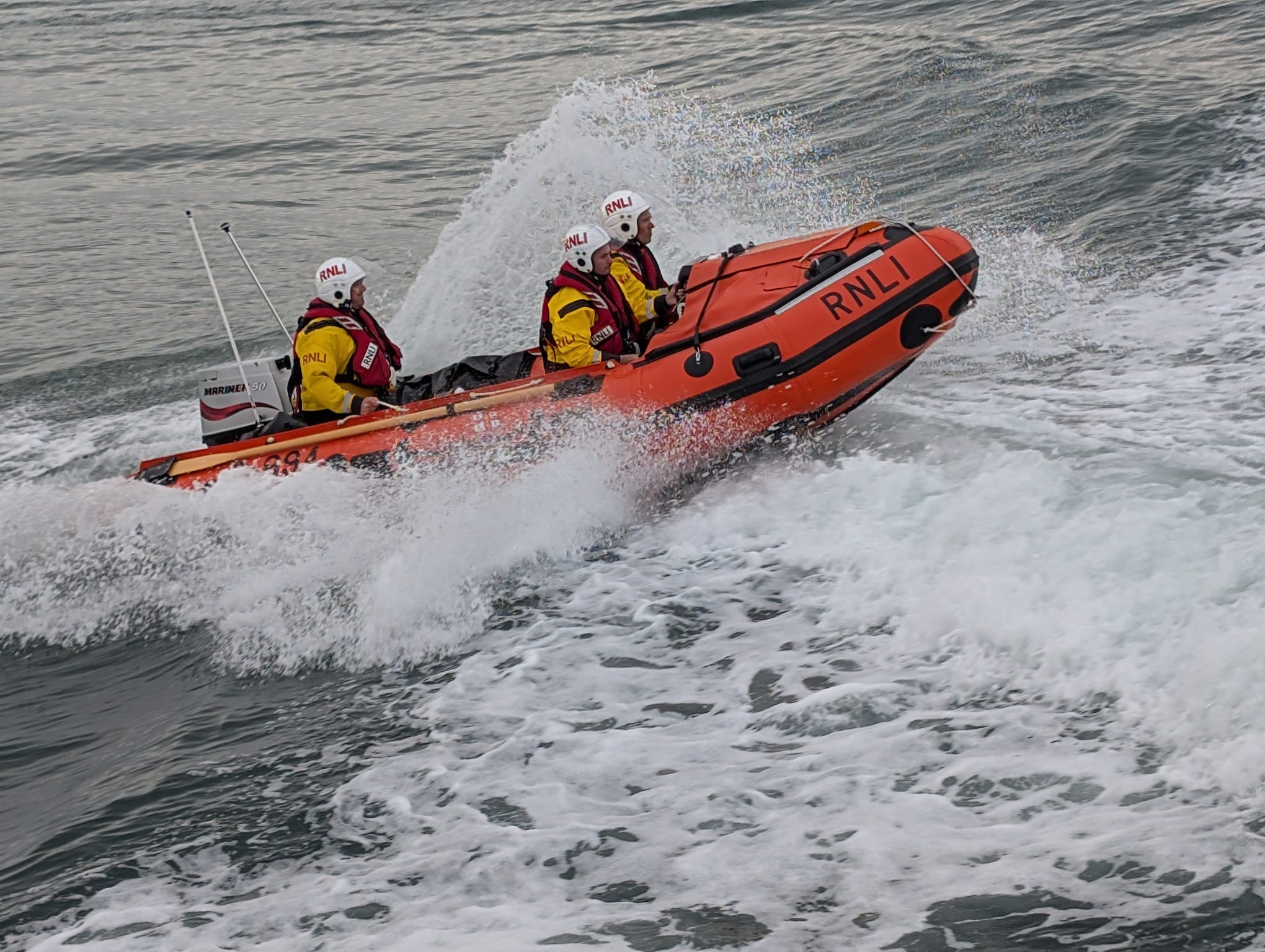
The station’s D-class inshore lifeboat launched at 6.30pm on Sunday 12 July, and the crew quickly found the teenagers, brought them aboard and returned them safely to shore.
It was the boat’s second launch of the day. At 5pm the crew had been called out to reports of a child in the water off Limeslade — but an adult on the beach helped the child safely out before the lifeboat arrived, and the crew stood down.
‘The water isn’t always as deep as it looks’
Deputy coxswain Nigel Garner said: “Tombstoning might look like fun, but the water isn’t always as deep as it looks.”
“The tide changes, rocks can be hidden and cold water shock can affect anyone. That’s why we don’t recommend it.”
“If you’re looking for adventure, choose a supervised coasteering session instead.”
With warm weather forecast and the school summer holidays approaching, the station says it wants people to enjoy the coast — but to think twice before taking unnecessary risks.
Mr Garner added a friendlier invitation for anyone after fun on the water: the 40th Mumbles Raft Race sets off at 12pm on Sunday 19 July.
Why the warnings are so stark
The Royal Society for the Prevention of Accidents says tombstoning has caused at least 20 deaths and at least 70 life-changing injuries in the UK over the last two decades.
Its list of dangers echoes Sunday’s rescue: tides changing the water’s depth and cutting off routes back to shore, submerged rocks you can’t see, cold water shock, strong currents — and the difficulty of getting back out of the water.
The Maritime and Coastguard Agency’s advice adds a warning about peer pressure — and notes that even someone jumping safely may be watched by children who try to copy them.
Anyone who gets into trouble in the water should float on their back to catch their breath — “Float to Live” — and call 999 for the Coastguard.
A busy week on the water
Sunday’s rescues came in a busy week for the coast’s emergency teams: a new Horton and Port Eynon RNLI volunteer answered his first shout on Friday night — with his father on the same boat — rescuing two fishermen stranded at Oxwich Point.
Port Talbot Coastguard drove onto the beach near Bay Campus to reach an injured beach-goer on Friday evening, and treated a jellyfish sting at Aberafan on Wednesday.
The run of call-outs has come as south Wales topped the UK’s temperature charts, drawing crowds to the coast.
Anyone in difficulty on or near the coast — or who sees someone in difficulty — should phone 999 and ask for the Coastguard.

Discover more from Swansea Bay News
Subscribe to get the latest posts sent to your email.