

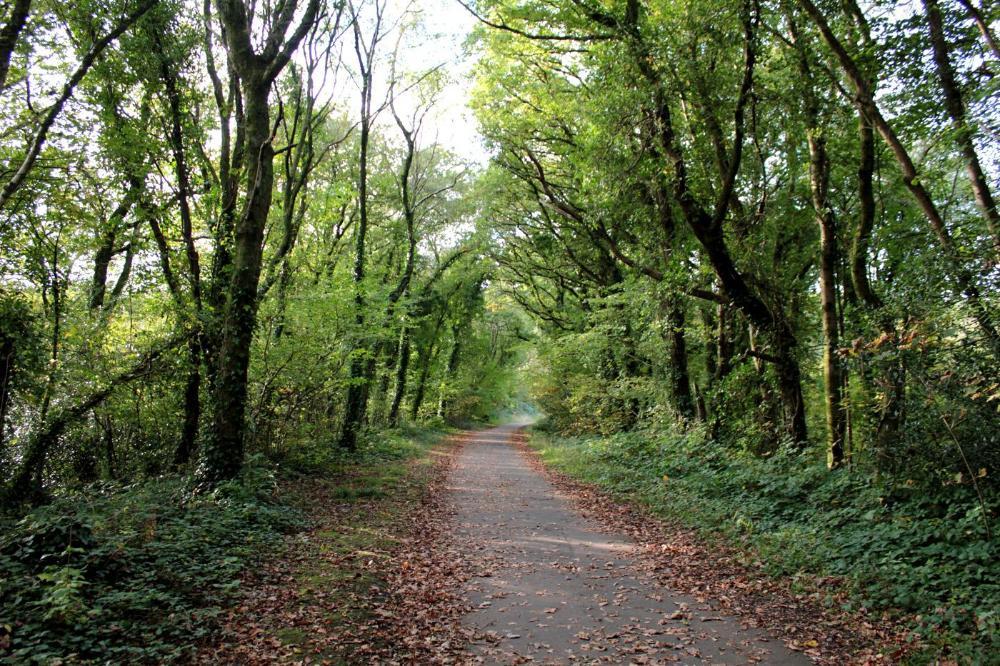
The woods, cliffs, parks and foreshore that Swansea people walk every day are about to get a legal label that makes them harder to lose. Swansea Council says it will declare 14 new Local Nature Reserves on its own land, with cabinet due to sign them off in January 2027 and all 14 in place by the end of March.
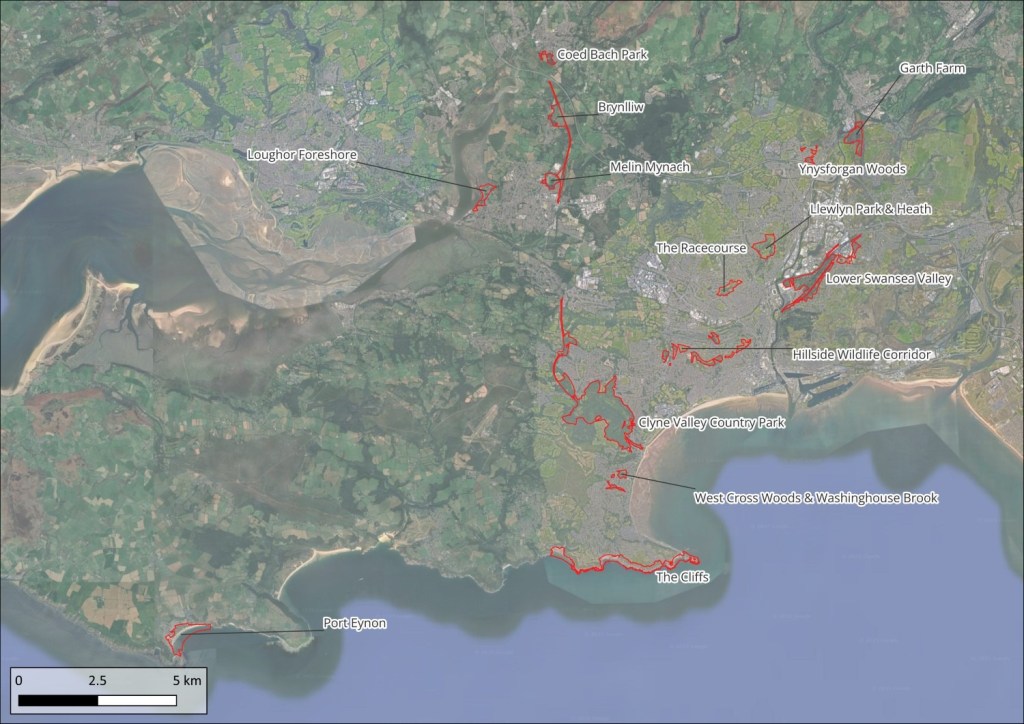
The list, published for the first time in a map going to councillors, runs the length of the county:
- Clyne Valley Country Park, the biggest single site
- The Cliffs, the beaches and cliff tops between Mumbles and Caswell
- West Cross Woods and Washinghouse Brook
- Port Eynon, the beach and dunes at Port Eynon and Horton
- Loughor Foreshore
- Coed Bach Park in Pontarddulais
- Brynlliw, the old colliery land at Grovesend, part of Mynydd Lliw Common
- Melin Mynach, the mill site and park at Gorseinon
- Garth Farm, near Clydach
- Ynysforgan Woods
- Llewelyn Park and Heath in Morriston
- The Racecourse, the open land between Penlan and Brynhyfryd, including Manselton Park
- Lower Swansea Valley, the council-owned land along the Tawe between the Swansea.com Stadium and Llansamlet
- Hillside Wildlife Corridor, the green thread through Townhill and Mayhill
What the label does, and what it doesn’t
A Local Nature Reserve is a legal badge a council can pin on its own land under a law from 1949, once Natural Resources Wales has been consulted. It protects the wildlife and keeps the gates open for walkers, dog owners and school trips.
It does not change who cuts the grass. The report is explicit that day-to-day management stays with whichever council team runs each site now, that the declaration creates no new staff or budget, and that any extra work depends on money being found.
Nor does it mean diggers in January. The council’s nature recovery team leader, Mark Barber, writes that the biggest risk is people expecting “visible change across all sites immediately”. Work will be spread out to 2030, going first to the sites where wildlife needs it most and to those on the doorstep of the county’s poorer neighbourhoods.
Nine in ten said yes
The council spent a year asking. Online surveys, drop-ins, events on the sites themselves and focus groups, with every ward councillor consulted, and more than 1,000 people had their say. Around nine in ten backed the idea, the report says.
Residents also named other places they wanted protected, and a handful of sites talked about early on have fallen off the list. They could come back in a later round, the report says, but for now the council is sticking to the 14 where the paperwork is nearly done.
Most of the 14 already carry a planning label as Sites of Importance for Nature Conservation, which counts for something when a developer comes calling but stops short of legal protection. The council says the new status strengthens that.
The money runs out in March
Every survey, plan and first bit of work is paid for from Welsh Government’s Local Places for Nature pot, and the report admits that money is only guaranteed until March 2027, the same month the last of the 14 is due to be declared. If it dries up, the council warns, what happens on the ground “may need to be adjusted”.
Wales has promised to have 30% of its land and sea looked after for nature by 2030, and the council says these 14 are its down payment on that. The same push counted 16 green roofs and living walls in the city centre earlier this month.
Councillors on the climate committee waved the plan through on 7 September, and it lands in front of the scrutiny panel on Tuesday. The man answerable for it is Andrew Stevens, the cabinet member for environment and infrastructure.
Clarification, 24 September: the descriptions of six sites in the list above have been amended at the request of the council’s nature recovery team to reflect the site boundaries more accurately.

Discover more from Swansea Bay News
Subscribe to get the latest posts sent to your email.



Kilvey Hill should have been on this list of protected spaces