Pothole reports in Swansea have fallen by more than 80% since Christmas, from around 350 a week to about 60, but the bill for major road repairs the council cannot afford has hit £70m and is rising.
Cllr Andrew Stevens, cabinet member for environment and infrastructure, gave the figures in a written answer to Lib Dem councillors Chris Holley, Kevin Griffiths and Jeff Jones ahead of Thursday’s full council.
Reports have dropped “from around 350 at Christmas, to 200 at Easter, to roughly 60 currently”, he said, which “shows the impact of the weather on road condition”.
The backlog “was last calculated at around £70m though it is expected to rise despite the investment due to material cost increases which saw the price of asphalt increase by around 10% in April alone”, he said.
Part of this year’s budget is being held back for emergency repairs on roads that break up over the coming winter, Cllr Stevens said.
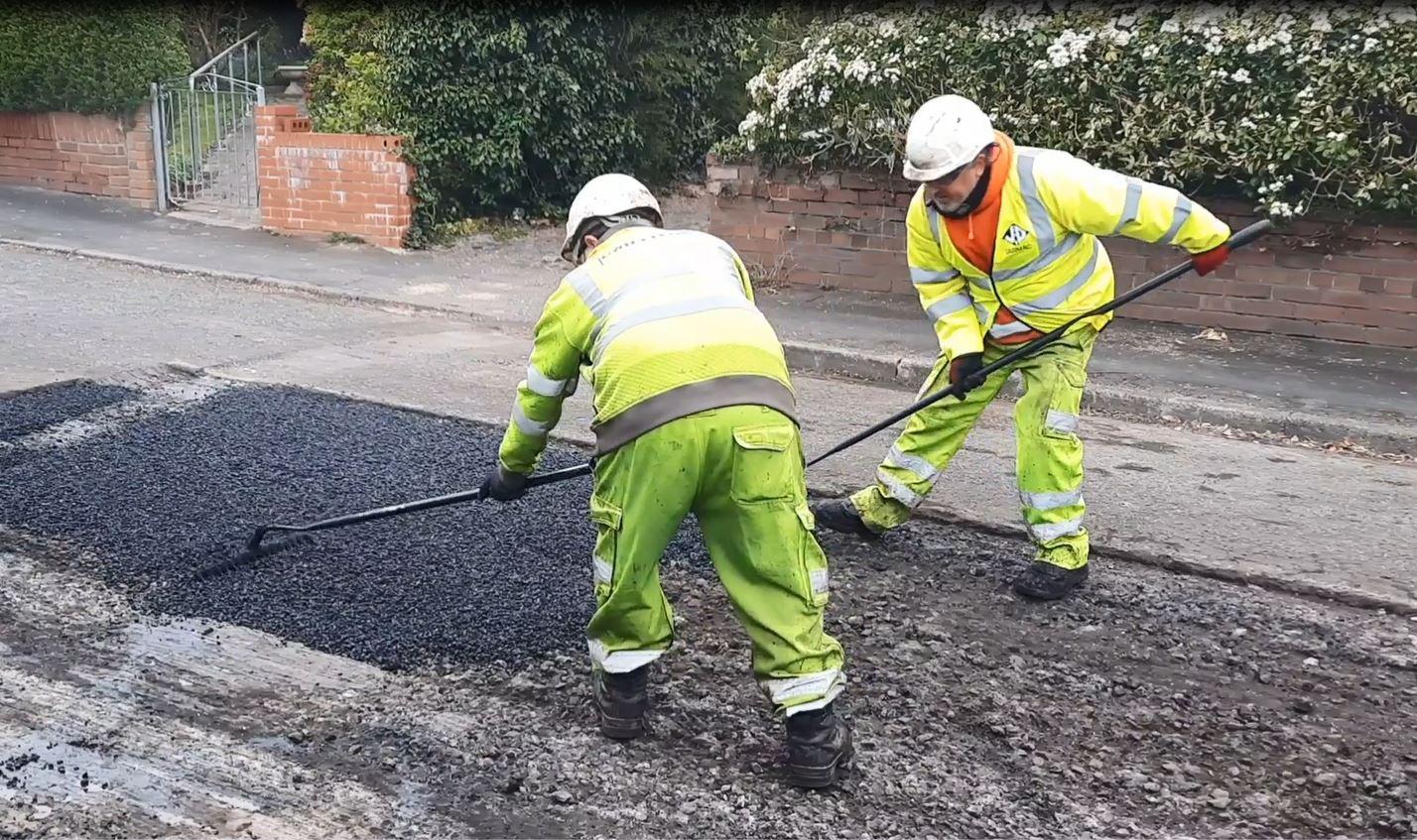
That is where the winter went last time. In January the council launched a £300,000 pothole blitz, saying ice, snow and rain had left roads breaking up. On its own figures there were up to 150 new reports a day at the worst of it, four crews were filling around 100 holes a day, and 760 were filled in December alone.
This year’s resurfacing programme is “the largest in recent years”, Cllr Stevens said, paid for with extra council money and Welsh Government grants, and is published online.
Cabinet signed off £14.5m for roads in June, which the council called a record. It said at the time that almost 4,600 potholes had been filled in the first five months of the year, with resurfacing done in Killay, Waunarlwydd, Clydach, Uplands and Morriston.
The small resurfacing scheme, which patches short stretches rather than whole roads, is on target and has had a top-up for areas “in urgent need of repair”, Cllr Stevens said. Where those jobs are done, “the response is excellent”.
Choosing which roads get done is the hard part. The council ranks them on risk, which Cllr Stevens said meets best practice guidance, but he admitted “the big issue remains one of scheme selection and prioritisation”.
He has been candid before that filling potholes is a stopgap. In June he said the council’s commitment was “to provide a temporary fix for problem places while we plan more full repairs at a later date”.
The £70m figure will be recalculated each year and published in the council’s capital report, he said.
Swansea Council says it maintains more than 1,000 miles of road. Spread across the 1,500km of highway it quotes elsewhere, a £70m backlog would be roughly £46,000 for every kilometre, though Cllr Stevens says the money goes where the risk is highest rather than evenly.
Potholes can be reported on the council’s website, and the council said in January it aims to fix as many as possible within 48 hours.
The question was answered in writing with no supplementary, so it will not be debated on Thursday.
Discover more from Swansea Bay News
Subscribe to get the latest posts sent to your email.