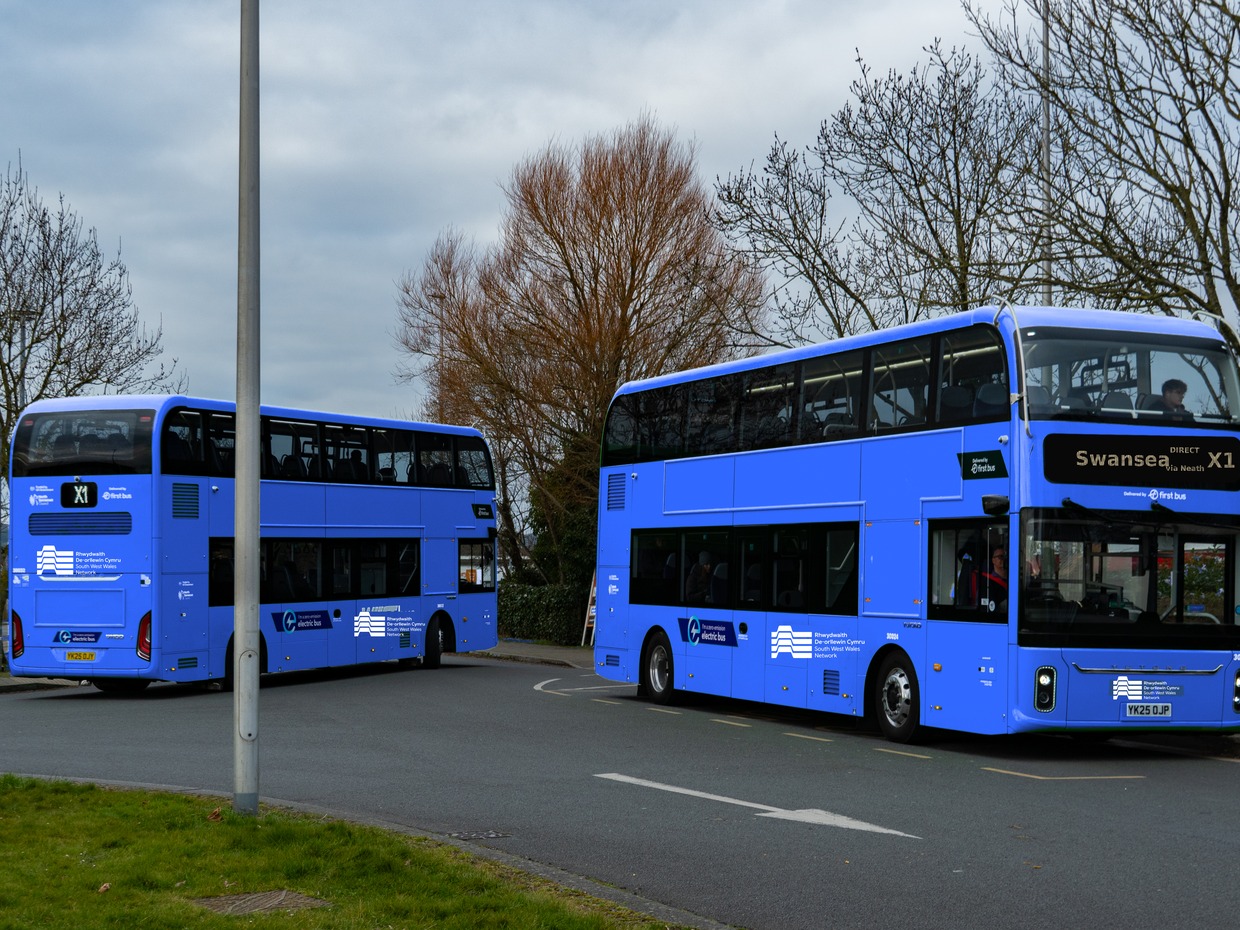
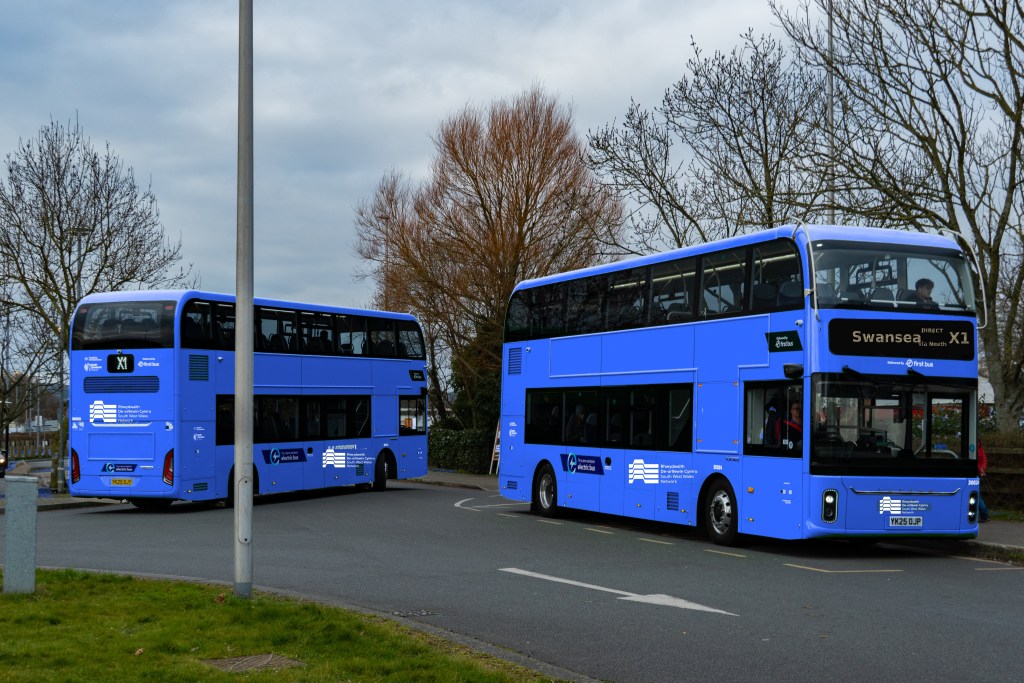
The bus you catch in Llanelli, the bike you hire in Swansea and, if it is ever built, the tram to Neath could all come under the same name within a few years: the South West Wales Network.
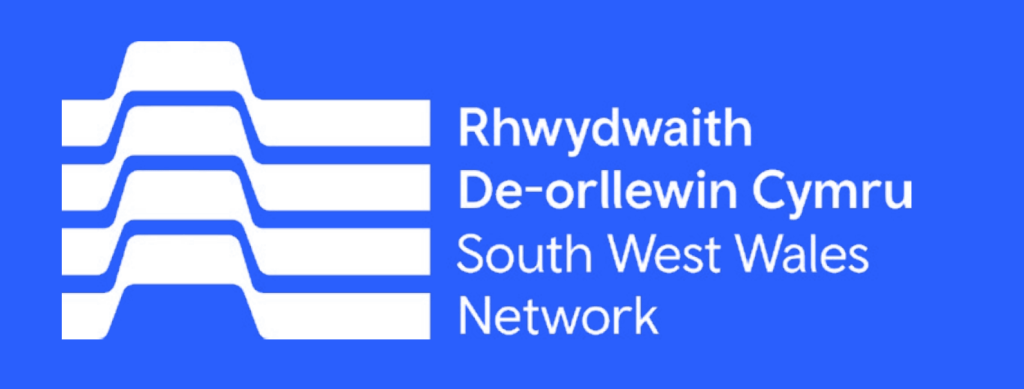
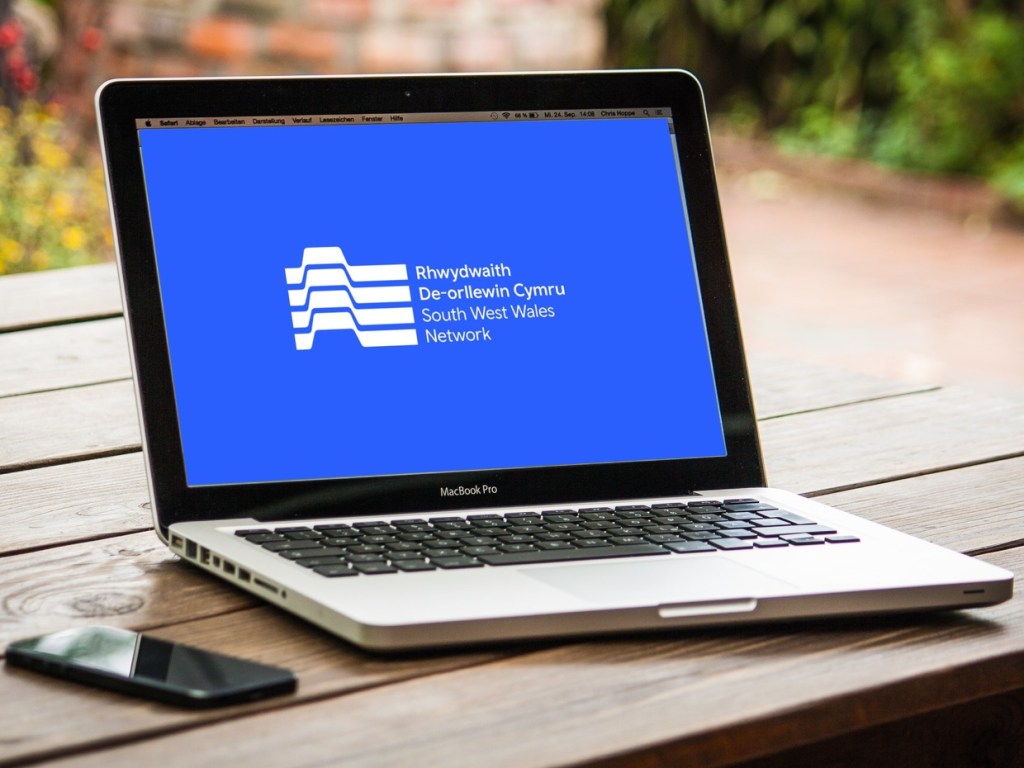
Councillors on the region’s transport committee meet on Wednesday to endorse the brand, a four-line wave mark with the name in Welsh and English, Rhwydwaith De-orllewin Cymru, as what the report calls “the overarching identity for the region’s integrated transport network” across Swansea, Neath Port Talbot, Carmarthenshire and Pembrokeshire.
The report to the South West Wales Corporate Joint Committee‘s transport sub-committee says the aim is “a recognisable and enduring brand that can be developed and marketed as an integrated transport network over the longer term”.
Manchester’s bee, London’s roundel
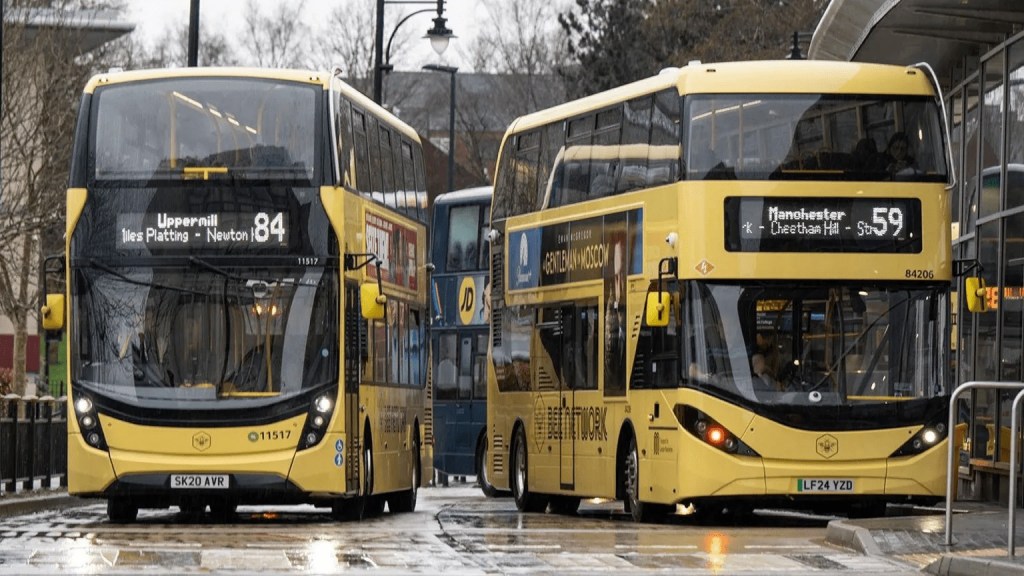
The models the report names are the Bee Network in Greater Manchester and Transport for London. Both, it says, show that transport brands work best when they are “distinct from, but endorsed by, the organisations that govern them”.
In Manchester that means the passenger sees one name on the side of the bus, on the tram, on the ticket and on the app, whoever is running the service underneath. The report does not say which of those the South West Wales Network name would appear on here, or when.
The Vision document that goes with the brand puts it as “one network, one timetable and one ticket”. It promises a single fare system across bus and rail with daily and weekly caps, and “mobility accounts” that would let people pay for a bus, a train and a hired bike from the same balance.
What it would go on first
The first things likely to carry the name are the ones already on the way: the franchised buses, the interchanges and the app. The document’s first phase, to 2030, covers the bus takeover, under which Transport for Wales and the councils set every route and fare, plus “mobility hubs” at stations and bus interchanges, integrated ticketing and the walking and cycling routes now being built with this year’s regional transport money.
The bus takeover was promised for 2027 and is now expected in spring 2028, according to minutes in the same pack. TfW is already surveying every bus stop in the region for the app that will launch with it.
New stations, more frequent trains and trams come in the document’s later phases, from 2030 and 2040, and are not funded. Wednesday’s report commits no money to anything and says every scheme “will be subject to separate business cases, funding applications, project approvals and governance decisions”.
Whose brand is it?
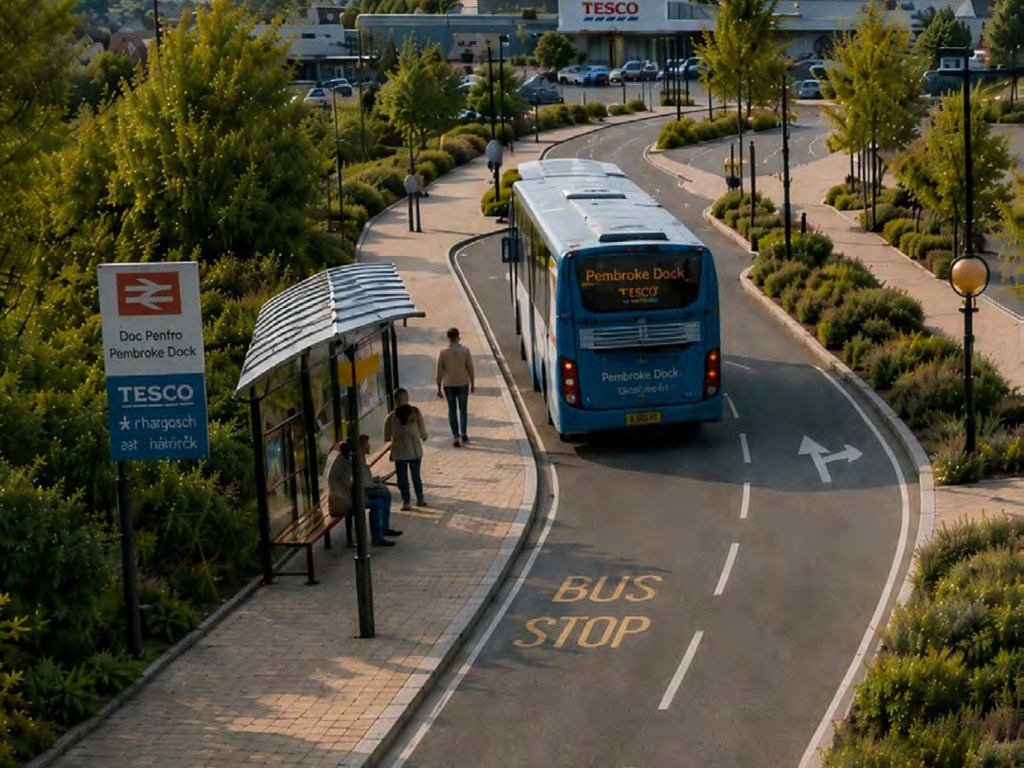
The Vision is published by the Corporate Joint Committee “in partnership with” Transport for Wales, and the illustrations inside show the two brands side by side: a bus in the document’s cover image carries TfW’s Trenau Cymru name and a stop sign carries TfW’s “T” roundel, with the South West Wales Network mark on the page above.
Trains are where the brand has least grip. TfW runs most services in the region under its own name, GWR runs the London trains through Swansea, and Lumo is due to start Carmarthen to London services next year. The report says the network covers “all modes of transport” but does not say what, if anything, changes on a train.
The report says the brand is meant to serve “both as a platform for promotion and a framework for future investment and delivery”, which is to say it is also the name the region will use when it goes asking for money.
What happens on Wednesday
The sub-committee is asked to recommend both the brand and the Vision to the full joint committee, which has the final say. The meeting is at 10am on Teams and is webcast on Neath Port Talbot Council’s website.
The Vision’s own targets give the scale of what the name is meant to carry: public transport’s share of journeys in the region up from 5% to 13%, and car use down from 68% to 52% of trips, by 2040. Today, around 70% of people in Swansea and Neath Port Talbot live within 400 metres of an hourly bus; in Carmarthenshire and Pembrokeshire it is just over a quarter.

Discover more from Swansea Bay News
Subscribe to get the latest posts sent to your email.