One blistering sunburn in childhood can more than double a person’s risk of developing melanoma later in life, according to Swansea Bay University Health Board‘s skin cancer team.
The dermatology team is urging people to enjoy the sunshine safely as the hot weather continues — weeks after a red warning shut hundreds of schools across the region — and to learn the signs of skin cancer.
The health board says increased exposure to ultraviolet radiation can lead to painful sunburn, long-term skin damage and a higher risk of skin cancer.
“Skin cancer is becoming increasingly common, with the number of cases continuing to rise each year,” said Claire French, a Macmillan healthcare support worker with the team.
“It’s a significant issue across Swansea Bay and throughout Wales. That’s why it’s so important to raise awareness and help people understand the signs and symptoms to look out for.”
She said the team still sees many people with severe sunburn, including bright red skin and blistering — much of it preventable with better protection.
“Being sun safe isn’t about avoiding the outdoors altogether — it’s about understanding the risks and taking simple steps to protect yourself,” she said.
Staying safe in the sun
The team’s advice:
- Apply sunscreen around 20 minutes before going outside, and use a broad-spectrum sunscreen of at least SPF 30.
- Reapply regularly, particularly after swimming or sweating.
- Avoid direct sun during peak UV hours, between 11am and 3pm.
- Seek shade whenever possible, and wear protective clothing, a wide-brimmed hat and sunglasses.
The warning signs
The team is also encouraging people to get familiar with their own skin, and to seek medical advice over:
- Changes in the size, shape or colour of an existing mole or lesion.
- Itching or bleeding.
- A new lesion appearing.
- Anything that looks noticeably different from the moles and marks around it — the “ugly duckling” sign.
Anyone concerned about a change to their skin should contact their GP. The health board says early detection is vital — and in many cases, skin cancer caught early can be treated simply by removing the affected lesion.
How long will the heat last?
The advice comes with no break in the weather in sight. The Met Office says high pressure remains dominant, with temperatures peaking around 30–32°C across parts of England and Wales in the middle of this week and most places staying dry.

“In terms of rain, there’s a chance of some showers and thunderstorms in isolated spots in the south of England on Wednesday and Thursday, but these are likely to be sporadic in nature, and many people won’t see any rain this week,” said Met Office deputy chief forecaster Steven Keates.
Temperatures are expected to ease slightly by the weekend, the forecaster said — but conditions will stay fine and warm for many areas.
Heat Health Alerts from the UK Health Security Agency remain in place, and the Met Office says UV levels will be high or very high across many parts of the UK throughout the week — the conditions the dermatology team’s advice is aimed at.
Not just sunburn
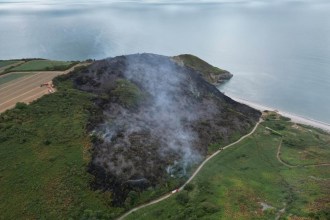
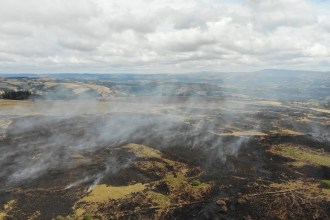
The dry spell brings other risks. A spokesperson for the National Fire Chiefs Council said extreme wildfire conditions will persist across much of England and Wales this week, warning that “it only takes one spark to start a wildfire.”
Fire chiefs are asking people to avoid disposable barbecues in the countryside and parks, and to make sure cigarettes are fully extinguished.
There is a warning for anyone heading out on the water, too. Lee Pooley, head of safety at Paddle UK, said offshore winds are deceptive — water near the shore can look calm and inviting while a breeze from the land can sweep a paddleboarder out to sea faster than they can paddle back.
“Our rescue data with the RNLI consistently shows that offshore winds are a primary cause of emergency callouts,” he said. “We strongly advise everyone to check the weather and wind direction before heading out, and if the wind is blowing away from the shore, do not go.”
“We don’t want to stop people enjoying themselves and making the most of the good weather when we get it,” Claire added. “It’s simply about understanding how to protect yourself while you’re outdoors.”
Claire works alongside skin cancer lead Dr Rupa Dave and the wider dermatology team supporting patients through their care.
Discover more from Swansea Bay News
Subscribe to get the latest posts sent to your email.