Swansea Council‘s Labour cabinet and three opposition group leaders are uniting to pressure the Welsh Government into spending a £322m windfall on pupils with additional learning needs.
The money arrived from Westminster because of special needs spending in England. But ministers in Cardiff Bay are free to spend it on anything they like, and the councillors want Swansea’s schools to see their share.
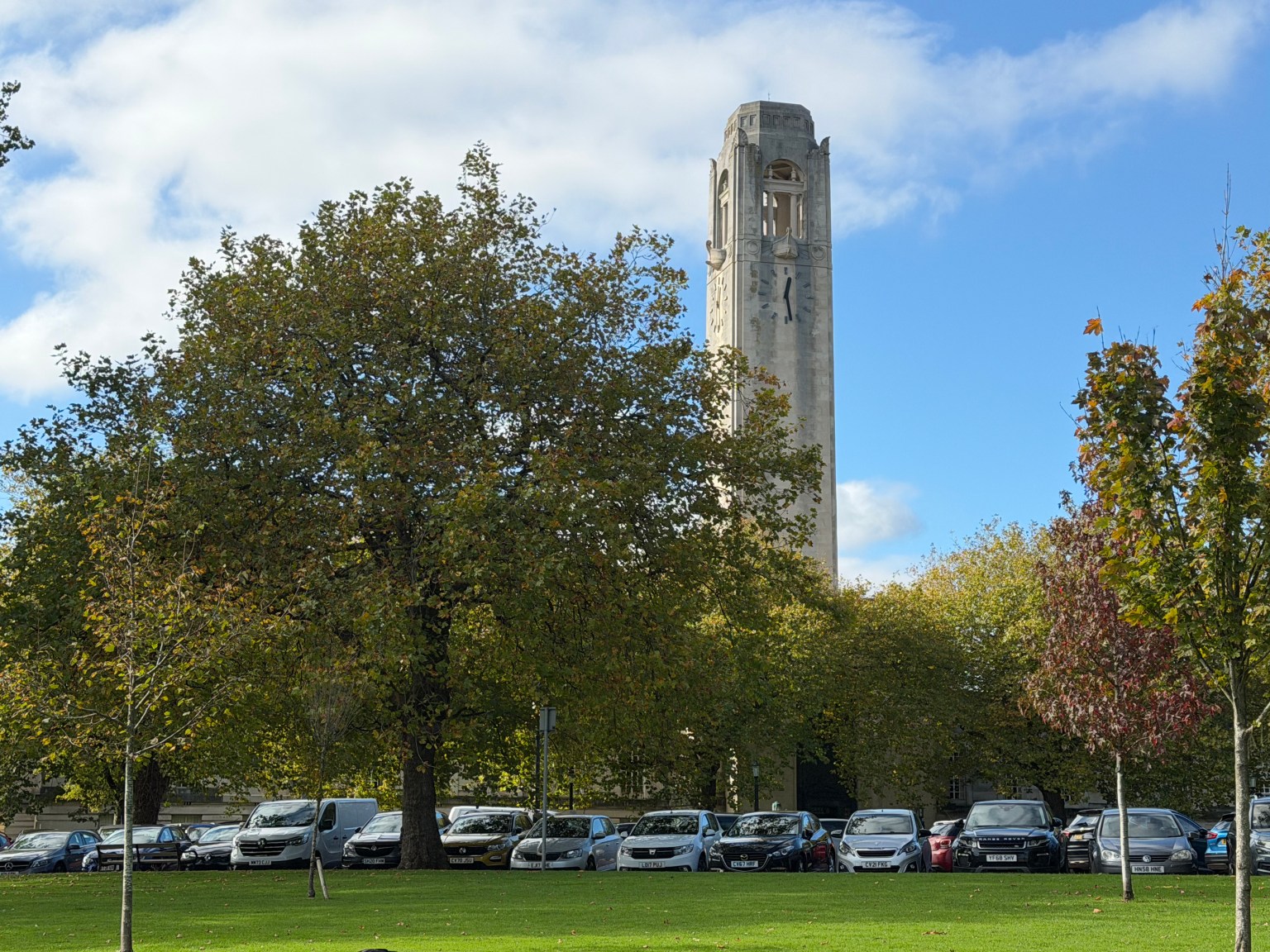
All eleven members of the cabinet, led by council leader Rob Stewart, have signed the motion to Thursday’s full council meeting at the Guildhall. So have Lib Dem group leader Chris Holley, Conservative group leader Lyndon Jones, Uplands Party group leader Peter May, Lib Dem Mary Jones and independent Sue Jones.
Their case is blunt: demand is outrunning what the council can pay for, and in some parts of the city more than 60% of schools are already in the red.
Passing it will not release a penny. It commits the leader to write to the First Minister asking that councils get “a substantial proportion” of the cash. But the letter lands in the middle of a Senedd row that has already sunk one Welsh Government budget, with ministers due to say what happens next within weeks.
The £322m is a Barnett consequential: when the UK Government wrote off most of the special educational needs deficits run up by English councils, estimated at more than £3.3bn, Wales received its population share of the extra spending. Under devolution that money is not ring-fenced. It goes into the Welsh Government’s general budget, and ministers decide where it ends up.
Swansea’s case rests on numbers the motion sets out. More than 6,600 primary pupils have ALN and need ongoing support, about 1,600 of them beyond what their school can normally provide. A further 117 have been identified as needing a specialist place, on top of nearly 1,000 already in one, about 3% of all pupils.
The council has answered part of that with Ysgol Calon Lân, the 350-place special school planned for Morriston, and with extra specialist teaching facilities and pilot schemes that keep pupils in mainstream schools rather than sending them elsewhere.
Those schemes have worked, the motion says, in “filling this gap and reducing referrals to specialist placements”. But it adds: “Sustainability is a concern due to costs.”
The councillors argue Wales has hidden its own version of England’s crisis. Where English councils ran up separate deficits, Welsh councils and schools absorbed the pressure inside their ordinary budgets.
“The absence of formal deficits does not reflect an absence of pressure,” the motion says. “Rather, it demonstrates the extent to which councils and schools have already accommodated growth in need within constrained funding envelopes.”
The real shortfall facing Welsh councils is “at least the same, if not higher” than the £322m, it says, citing the Local Government Association’s estimate that eight in ten English councils would be bankrupt without the accounting override Westminster used to keep their special needs deficits off the books.
Swansea is not the first to ask. Wrexham’s scrutiny committees have written twice to ministers on the same money, and one councillor there told colleagues last month she was “furious” at how it had been handled.
The Welsh Government had put together a £120m, three-year ALN package as part of its first supplementary budget, but the Senedd voted the budget down in July after Labour and Plaid Cymru could not agree how much should reach schools this year.
In a letter to Wrexham dated 10 August, Anna Brychan, the Cabinet Minister for Education and the Welsh Language, said the package “could not move forward as intended” after the vote, and that she had “worked at pace” since to bring councils, unions and schools together.
“The Welsh Government remains committed to strengthening the sustainability, clarity, capacity and confidence of the ALN system,” she wrote, promising Senedd members an update “early in the autumn term”.
Thursday’s motion is one of two from Swansea’s Labour cabinet. The other asks Welsh ministers for powers to stop vape shops and barbers clustering on the high street.
Discover more from Swansea Bay News
Subscribe to get the latest posts sent to your email.