

Swansea Council has opened the final public consultation on its draft Events Strategy, a blueprint meant to steer which festivals, gigs and community events the city and county pursue between now and 2035.
The council says the aim is to turn Swansea into one of the UK’s leading events destinations — the kind of place that competes with Cardiff and Bristol for major music, cultural and sporting events, rather than losing them to bigger cities.
For residents, the more interesting part is what that might actually look like. The draft, drawn up by consultants Alpha 1 Events, sets out a list of possible new festivals — described as early “working titles” rather than firm plans — to fill gaps in the calendar.
Among the ideas: a Land and Sea Festival celebrating Gower lamb, Welsh cheeses and Swansea Bay seafood with celebrity chef demonstrations; a Sky and Sand Festival on the beach with giant inflatables, kite displays, sand murals and night-time illuminated kite shows; and a Festival of Making built around craft, art and innovation.
There is also a proposed Garden and Flower Festival centred on Singleton Park and Clyne Gardens, classical and folk concerts at castle and clifftop settings, and a music event provisionally called Swansea Soundwave — a three-day showcase for thousands of people focused on young local talent.
Christmas features heavily. The strategy floats a “Swansea Christmas Glow” — a citywide light trail with festive markets and a headline attraction such as an ice rink or big wheel, launched off the back of the existing Christmas Parade.

(Image: Swansea Council)
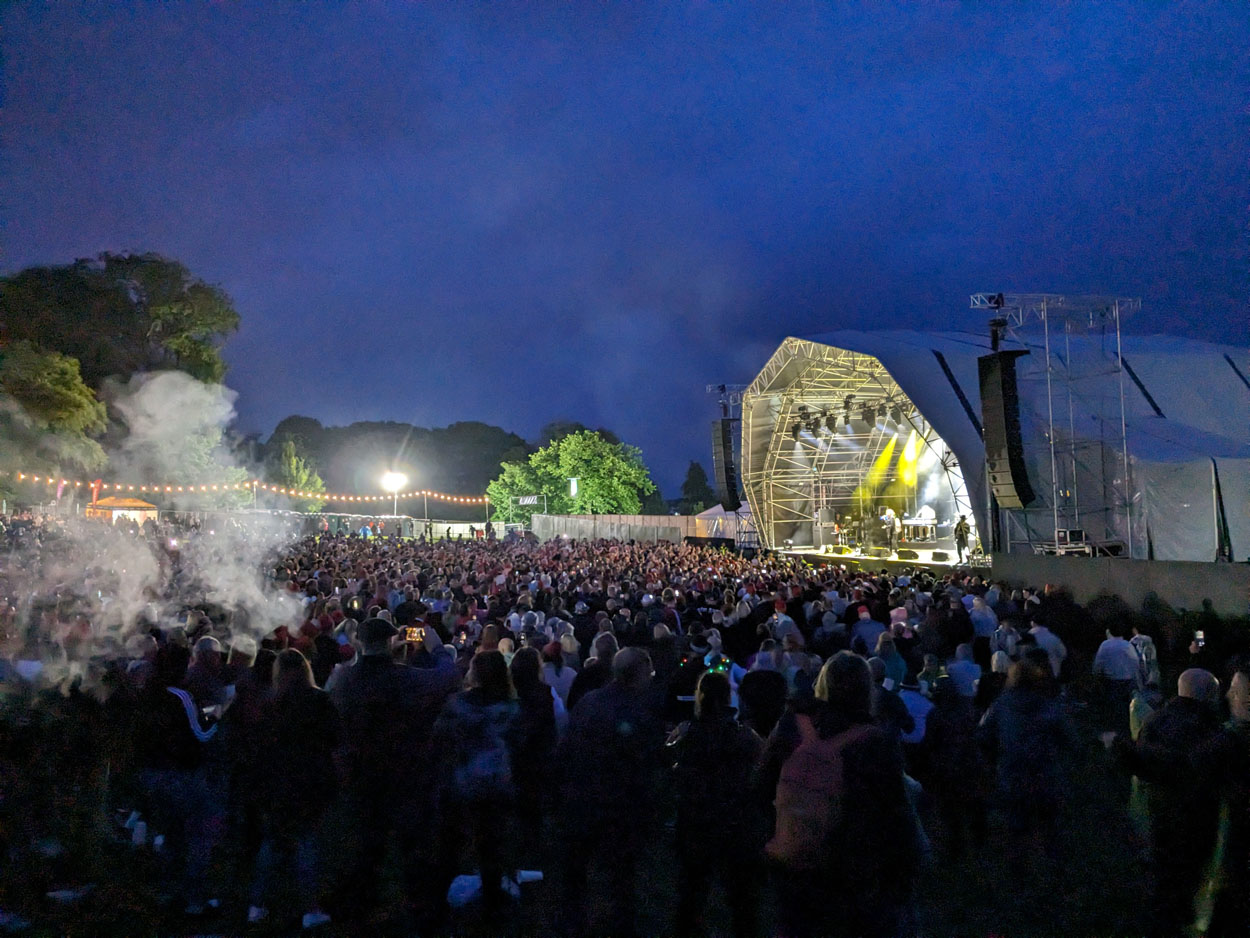
The plan is also openly aimed at bringing big music back to the Bay. It talks about building on outdoor concerts like those already staged at the city’s revamped seafront Amphitheatre to re-establish Swansea as a venue for major gigs, and even names the kind of touring festivals it would chase — among them Mighty Hoopla and Sausage & Cider Fest.
On sport, the council wants to go after major endurance events, including the possibility of a full Ironman and triathlon championships, building on the half-Ironman and the running and music weekends — such as Love Trails on Gower — that the area already hosts.
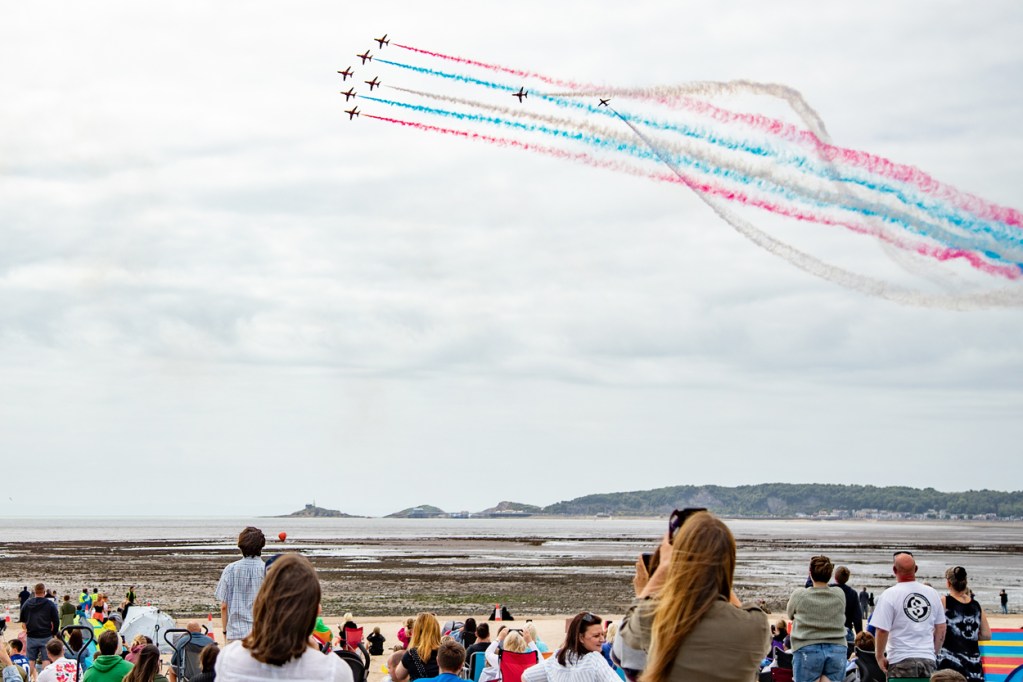
The strategy is candid about where Swansea currently falls short. It admits the Wales Airshow — which draws around 250,000 people and is worth more than £10m to the local economy — is the city’s only established “destination event”, and that the wider cultural programme is seen as lacking uniqueness and visitor appeal.
(Image: Swansea Council)
It also acknowledges that getting people to and around events is a problem, describing transport links into and around Swansea by train and bus as “inadequate and unreliable”.
And it flags who is currently missing out. The research behind the strategy identifies around ten groups it says are underserved by the present calendar — including older and disabled residents, unpaid carers, low-income families, students and Welsh speakers — and points to a lack of year-round LGBTQ+ events and spaces beyond the annual Swansea Pride festival.
Affordability runs through it too: the draft repeatedly stresses the need for free and low-cost events at a time when the cost of living is squeezing what families can spend on days out.
Tracey McNulty, the council’s head of cultural services, parks and cleansing, said Swansea “already has a fantastic reputation for hosting a diverse programme of events that bring people together, support the local economy and showcase everything our city and county have to offer”.
She said the strategy “sets out an exciting vision for the next decade, helping us build on that success while ensuring events remain inclusive, sustainable and beneficial to our communities”.
McNulty said the council had “listened carefully to residents, stakeholders and industry experts” while drawing up the plan, and was “now asking people to take one final look at the proposals before they are finalised”.
She said tourism already generated “in excess of £600m for the local economy every year, supporting more than 5,000 jobs” — broadly in line with the £658m the council reported for 2024 — and that the ambition was “to grow this already thriving industry”.
The survey is residents’ chance to say which of these ideas they actually want — more for families, more on Gower and in the villages rather than just the city centre, more music, or events that run year-round rather than clustering in summer.
McNulty said people who took part in the initial consultation were “particularly encouraged to review the draft and ensure it accurately reflects the views and priorities they previously shared”.
Residents can read the full draft and complete the survey at the Shape Swansea’s Future website, with hard copies available on request from the Guildhall.
The consultation closes at 11pm on Friday, 4 July.

Discover more from Swansea Bay News
Subscribe to get the latest posts sent to your email.