The 2025 results, published this week, show that 98% of bathing waters across Wales met strict environmental standards following monitoring by Natural Resources Wales (NRW). Officials say the findings demonstrate the resilience of Wales’s beaches and the success of ongoing efforts to protect water quality.
Deputy First Minister Huw Irranca‑Davies said the results reflected “our commitment to protecting water quality” and praised communities and partners for working together towards a cleaner Wales.
Mary Lewis, Head of Natural Resource Management at NRW, added:
“Our wonderful beaches and bathing waters are an important part of Wales’s identity and culture… The results reflect the dedication of our teams, partners, environmental groups and communities who protect and care for our environment.”
Local results at a glance
| Area | Beaches rated ‘Excellent’ | Other classifications |
|---|---|---|
| Swansea | Langland, Caswell, Bracelet Bay, Rhossili | Swansea Bay – Good |
| Neath Port Talbot | Aberafan Beach | – |
| Carmarthenshire | Pembrey, Pendine Sands | – |
| Pembrokeshire | Tenby South, Castle Beach, Freshwater West, Barafundle, Newgale, Whitesands (plus many more) | – |
| Bridgend County | Trecco Bay, Sandy Bay, Rest Bay (Porthcawl) | – |
Sewage spills and enforcement fines temper the good news
While the classifications are positive, they come against a backdrop of ongoing public concern about water quality.
Residents in Gower have repeatedly voiced frustration over sewage spills affecting popular beaches, saying they feel “pooped off” by the frequency of incidents. Campaigners argue that these spills undermine public confidence in official bathing water ratings.
Rivers and coastlines under pressure
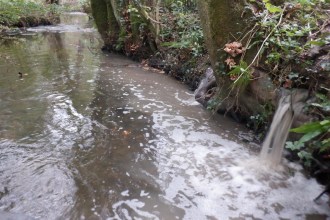
Beyond the beaches, rivers in South West Wales have also been highlighted as pollution hotspots. The River Tawe was recently ranked among the most sewage‑affected in the UK, raising questions about how inland water quality connects to coastal bathing standards.
In Pembrokeshire, warnings have been issued about sewage pollution at popular beaches, prompting local MPs to challenge regulators and water companies during Welsh Affairs Committee hearings.
Calls for reform and a sewage action plan
The wider debate has led to growing political pressure. Campaigners and politicians, including Welsh MPs, have called for a national sewage action plan to tackle pollution at its source. At the same time, Welsh Government has outlined plans to overhaul water regulation, promising reforms that put “people, the environment and future generations at its heart.”
Deputy First Minister Huw Irranca‑Davies acknowledged that climate change and heavy rainfall — including 170% of average levels in September — can significantly affect water quality. He said maintaining standards will require “sustained investment, innovation, and partnership working across all sectors.”
A mixed picture for South West Wales
The headline figures show South West Wales beaches performing strongly, with almost all rated ‘excellent’. But the wider context of sewage spills, enforcement fines and river pollution means the story is more complex.
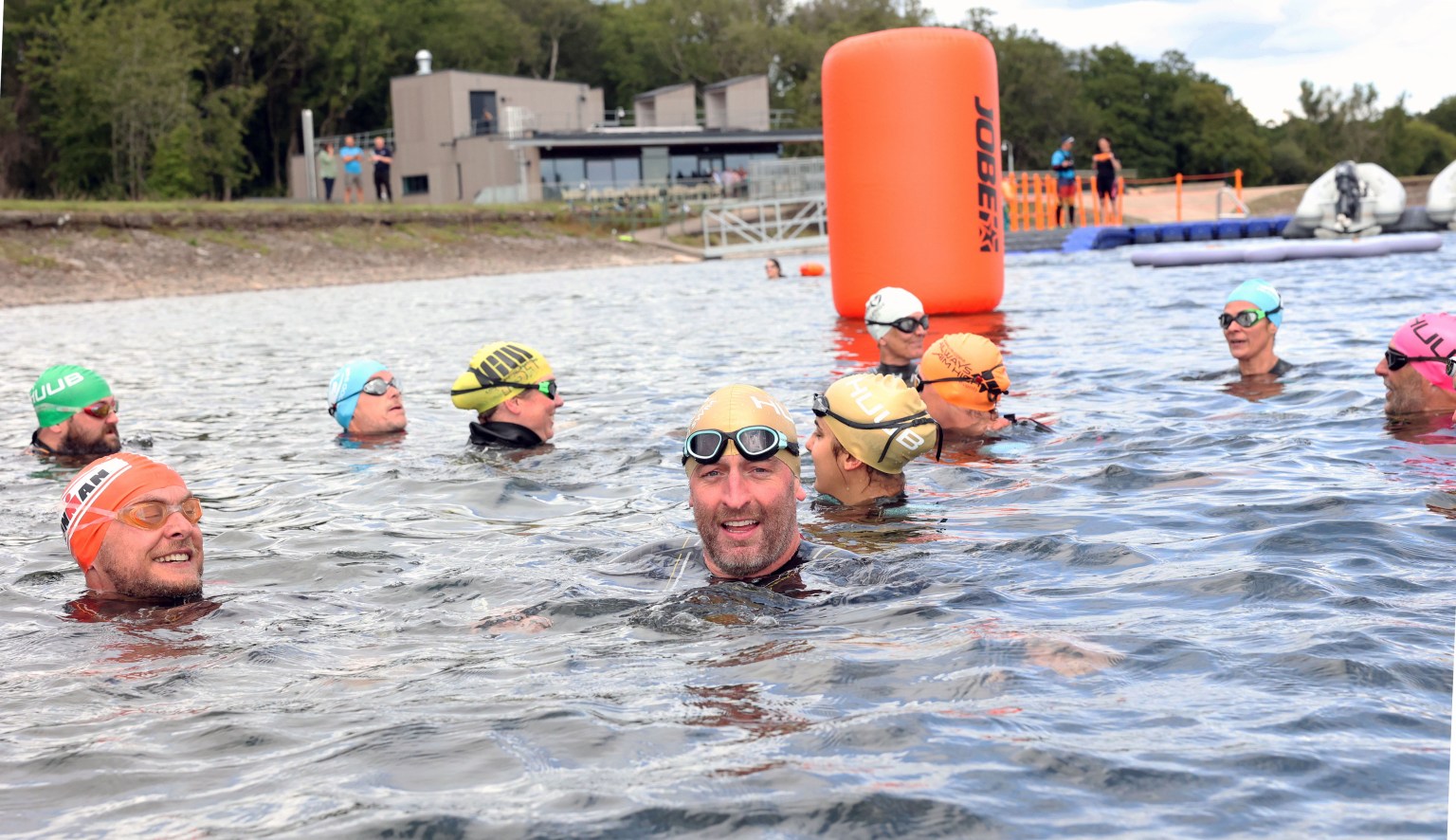
For swimmers and visitors, the classifications provide reassurance about water quality at designated sites. Yet campaigners insist that behind the ratings lies a system under strain, with regulators, water companies and government facing mounting pressure to deliver lasting improvements.

Discover more from Swansea Bay News
Subscribe to get the latest posts sent to your email.