Everyone knows the trick. Someone gets stung by a jellyfish, someone else offers to pee on it, and the beach has a good laugh about it.
Don’t. The NHS is blunt: peeing on a jellyfish sting does not help.
Nor does ice. Nor does a cold pack. Nor — and this one catches people out — does rinsing it under the fresh-water beach shower.
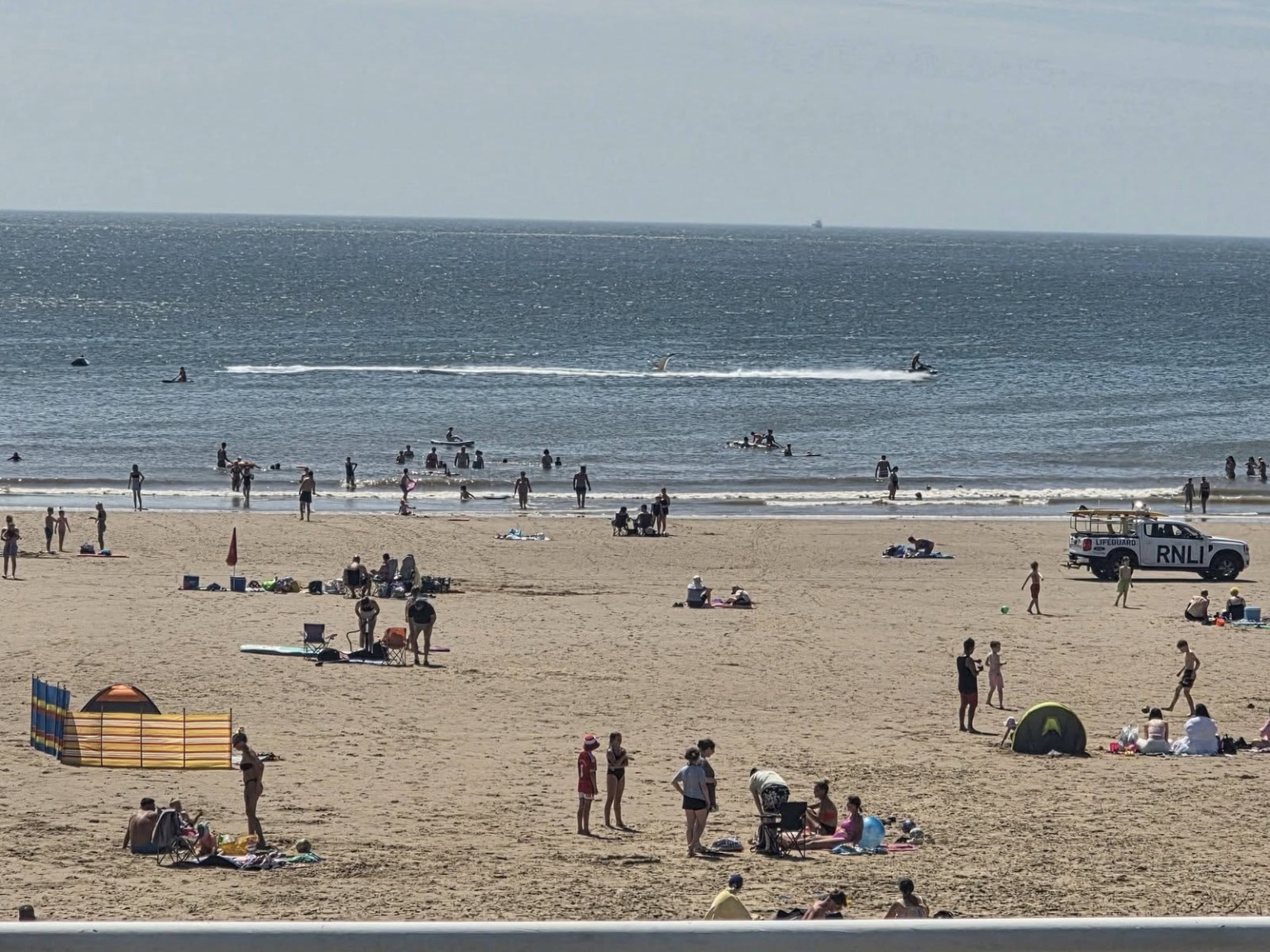
The reminder is timely. Port Talbot Coastguard was called to Aberavon Beach on Wednesday evening after a person was stung at the far end of the sands near the Memo Beach Café.
Rescue officers gave casualty care and checked the person over. Once they were in safe hands, the team stood down.
It was minor — but with the coast heaving in one of the hottest weeks of the year, it won’t be the last.
What actually works
Get local medical advice as soon as you can, the NHS says — ask a lifeguard or anyone with first-aid training.
If nobody’s around to help: rinse the area with seawater, not fresh water.
Pick any spines out of the skin with tweezers or the edge of a bank card — not your bare fingers.
Then soak the area in water as hot as you can stand for at least half an hour. Hot flannels or towels will do if you can’t soak it. Paracetamol or ibuprofen for the pain.
Most stings from sea creatures in the UK aren’t serious and first aid will sort them — but some do need a hospital trip, so get it looked at.
The one on the sand can still get you
A jellyfish stranded on the beach and looking thoroughly dead can still sting. Don’t touch it, and keep children and dogs away.
If someone’s been caught by one, scrape off any tentacles left on the skin rather than rubbing them — rubbing drives the stingers in.
Never touch tentacles or spines with bare hands, and don’t cover or close the wound.
Why there are more of them right now
Warm, calm seas are jellyfish weather — a scientist explained to us last summer why Welsh beaches fill up with them.
Most are harmless enough if left alone. The one to properly avoid is the Portuguese man o’ war, which has washed up on Welsh shores before and packs a serious sting even when beached and apparently lifeless.
The sting capped a hectic week for the coast’s rescue teams in the heatwave: Mumbles RNLI warned against tombstoning after two teenagers were cut off by the tide, and a new Gower lifeboat volunteer helped save two men stranded at Oxwich Point.
Anyone who needs help on or around the coast should dial 999 and ask for the Coastguard.

Discover more from Swansea Bay News
Subscribe to get the latest posts sent to your email.