Wales is getting a new broadcasting body — but not until 2028, and its first form will be a working group advising on how to set it up.
Culture minister Heledd Fychan set out the timetable for a Shadow Broadcasting and Communications Authority for Wales in a written statement on Wednesday, meeting the Plaid Cymru government’s pledge to publish plans within its first 100 days.
The authority is intended to protect and strengthen public service media in Wales — and the Welsh Government says it is the first step towards pressing for broadcasting powers to be devolved from Westminster.
What actually happens, and when
The first step is a working group. Recruitment for its members starts in September, with the group expected to hold its first meeting early in 2027.
Fychan says she expects detailed recommendations on the authority’s structure, status and remit early in 2028, with a formal decision confirmed in spring 2028.
She has set aside £45,000 from Creative Wales’ budget to fund the work this financial year.
That means the “shadow” authority itself — a body watching over broadcasting in Wales without yet holding formal powers — is at least two years away, with the working group doing the design work in between.
“Completely unnecessary”
The plan has vocal critics in the Senedd — Fychan’s statement acknowledges “concerns expressed by some Members”.
Reform UK’s shadow culture minister Louise Emery called the authority “completely unnecessary” in a Senedd debate last month, describing the government’s culture plans as “more constitutional navel-gazing, more quangos, more slow state-building towards independence, and more cost.”
Welsh Conservative culture spokesperson Paul Davies questioned the spending. “Surely this is not the best possible use of resources, especially given that these powers are not devolved,” he told the Senedd, pressing the minister on how much the body would cost and how it would operate.
The previous Labour government considered the same central recommendation — made by an Expert Panel on Broadcasting in 2023 — and stopped short, opting for an advisory group rather than a shadow authority. The Plaid government is going further than its predecessor was willing to.
“Plans agreed for and about us”
Fychan says the case rests on evidence that a UK-wide broadcasting framework “does not cater to the realities of how a devolved UK operates”, pointing to backing from the Institute of Welsh Affairs and the Independent Commission on the Constitutional Future of Wales.
Her statement singles out the UK Government’s new Local Media Fund — support for local journalism designed in Westminster — as “the latest example of plans agreed for and about us, where we have no role in how those plans are shaped and implemented.”
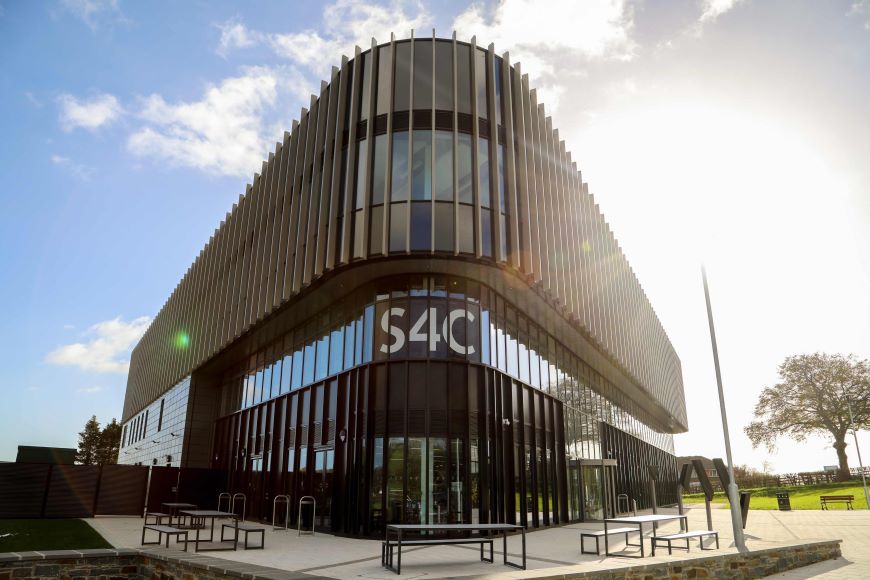
Broadcasting and communications are currently reserved to Westminster, with services like S4C and BBC Wales operating under UK-wide frameworks — the structures the authority would eventually scrutinise from a Welsh vantage point.
Fychan says she is “certain that any resource channelled towards a Shadow Broadcasting and Communications Authority for Wales will pay dividends.”
Whether it survives contact with the Senedd arithmetic is another question — the government lost its first budget vote 49–44 on Tuesday night, and every spending line now faces a chamber where it lacks a majority.

Discover more from Swansea Bay News
Subscribe to get the latest posts sent to your email.