


The whole of Wales is now officially in drought, with this month on course to be the driest July since records began 190 years ago.
Natural Resources Wales extended its drought declaration to cover the entire country on Thursday, a week after north Wales and the Upper Severn crossed the threshold.
Wales has received just 8% of its long-term average rainfall for July, the body says.
Rivers across south west Wales are among those listed as exceptionally low, including the Cleddau in Pembrokeshire and the Cothi and Teifi in Carmarthenshire.
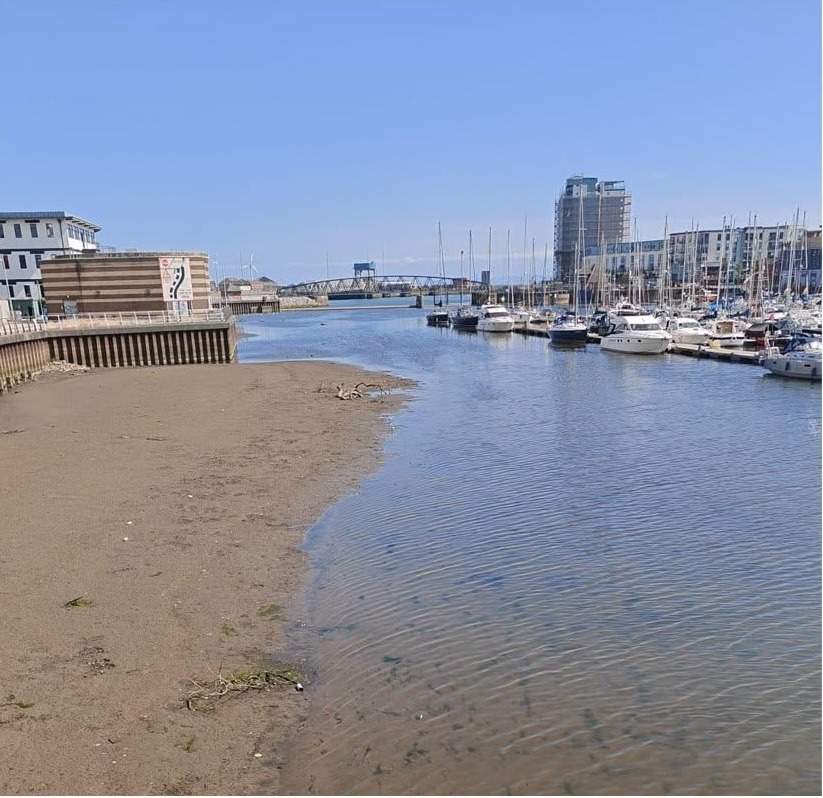
The low water is visible in Swansea itself, where the Tawe has dropped far enough for Swansea Community Boat Trust to cancel recent sailings of its Copper Jack passenger boat between the marina and the Morfa Bascule Bridge.
In a notice to passengers, the trust said the channel the boat has to navigate before reaching the main river was carrying very little water, with levels at its turning point also very shallow. “These decisions are not taken lightly and we are constantly monitoring the ongoing conditions,” it said.
NRW teams are dealing with growing reports of drying riverbeds, fish in distress and algal blooms, along with concerns from farmers about crop growth, grazing and water for livestock.
Rhian Thomas, sustainable water and nature manager at NRW, said: “The intensity of the heat and the exceptional lack of rainfall means this is a rapidly changing picture in Wales.”
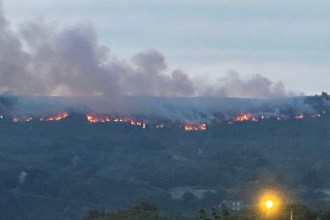
She said teams were “still dealing with the aftermath of extensive wildfires which have devastated forestry, grassland and special habitats”.
Swansea has seen that risk up close. A fire broke out on Kilvey Hill above St Thomas homes last week, the third on the hillside in fifteen months.
“With no strong indications for notable rainfall in the forecasts, and risks of further heatwaves over the summer, it’s more important than ever that we all use water wisely,” Ms Thomas said. “Every drop we waste is less water for our rivers and wildlife when they need it the most.”
Drought is declared by NRW when indicators show a significant shortage of rainfall and water availability, hitting rivers, groundwater, ecosystems, agriculture and land. Water companies have their own separate triggers for public supply.
Around 33,000 properties in Ceredigion, north Pembrokeshire and north Carmarthenshire have already been under a Welsh Water hosepipe ban since 19 July.
NRW says it is making reservoir and compensation releases to support river systems and fisheries, with abstraction controls in place under its drought plan.
Drought status was announced for many areas of England on Wednesday, and NRW is working with the Environment Agency on the cross-border Wye, Severn and Dee.
Ms Thomas said the past year’s extremes were “a stark example of the impacts of climate change here in Wales and the UK”, with the body planning for hotter, drier summers and wetter winters to become the norm.
Anyone who spots a wildfire is asked to move to a safe location and call 999. Environmental incidents can be reported to NRW’s 24-hour hotline on 0300 065 3000.
Water-saving advice is available at letssavewater.cymru. Dŵr Cymru Welsh Water has the latest information on public supplies.
Related stories from Swansea Bay News
HOSEPIPE BAN: West Wales ban starts 10am Sunday
The restrictions covering 33,000 properties, and why Welsh Water says it’s about treatment capacity.
KILVEY HILL: Fire breaks out above St Thomas homes as smoke drifts across Swansea
The third fire on the hillside in fifteen months.
HOSEPIPE BAN: Welsh Water warns restrictions likely for 33,000 homes
Our report as record demand pushed west Wales towards restrictions.
Discover more from Swansea Bay News
Subscribe to get the latest posts sent to your email.