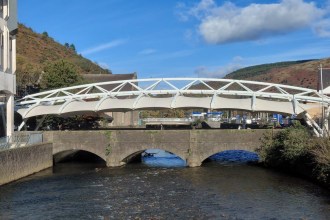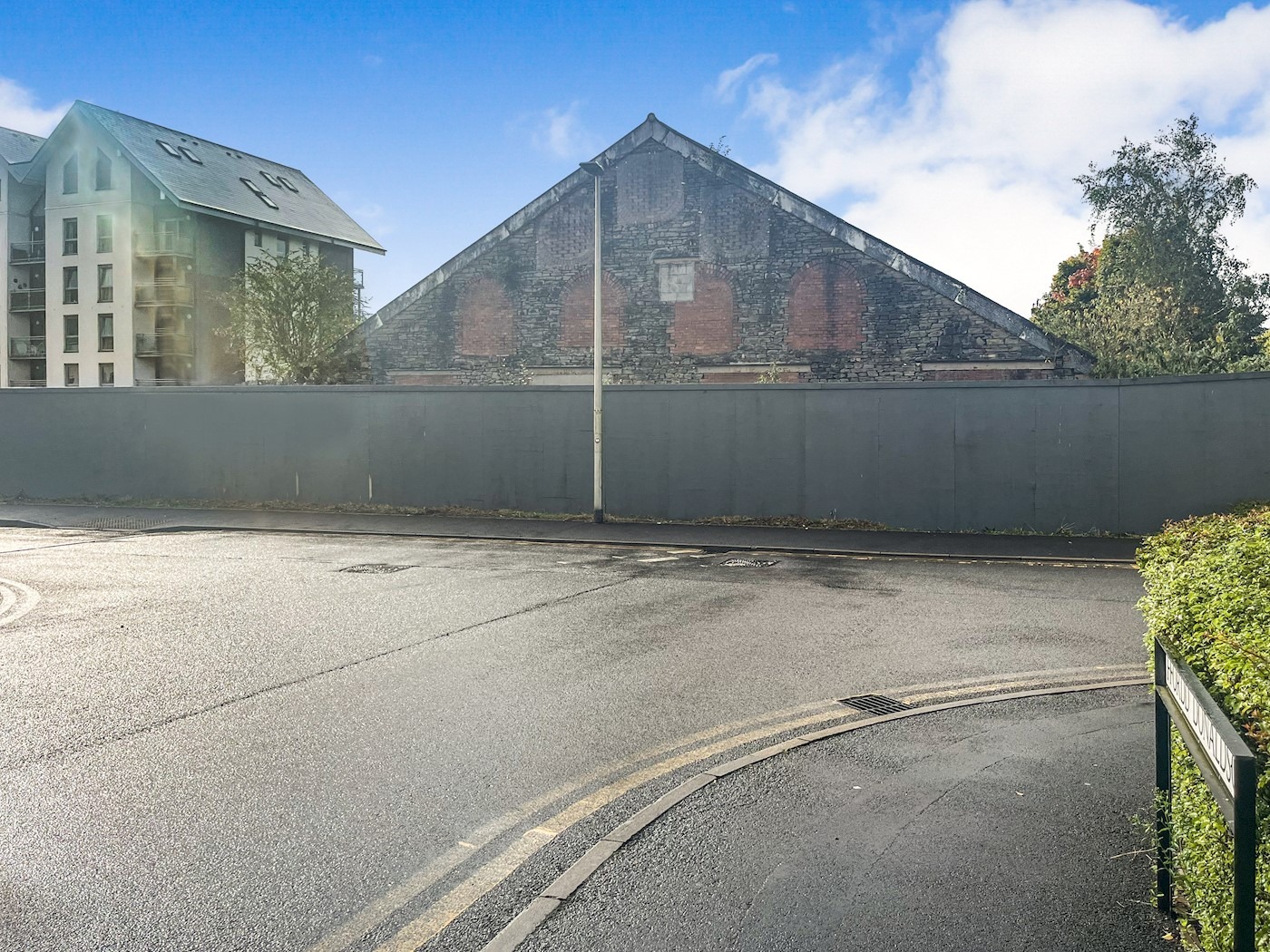
A smelting shed that has stood on the east bank of the Tawe since Swansea was the copper capital of the world is to become 12 flats to rent, after its owner secured a £1.43m loan for the work.
The Grade II listed building sits at the former Upper Bank Works off Phoebe Road in Pentrechwyth, beside the Copper Quarter estate, and has had planning permission for flats since 2017. Money was the sticking point.
FRP, the business advisory firm whose property team arranged the loan, says few lenders will touch a listed building, and fewer still a former smelting site, where the ground has to be checked for contamination before anything else happens.
Sam Beaumont, the FRP finance adviser who led the deal, said: “Listed buildings throw up questions that a lender needs answered early, and a lot of the work on this one happened out of sight, long before the homes were visible.”
He added: “This shed has stood in Swansea for more than 200 years, and it is a great feeling to see it turned into high quality housing.”
What the £1.43m pays for: repairs first, flats second
The loan is an 18-month “heavy refurbishment bridge”, FRP says, lent at 65 per cent of the building’s value, and it pays for the repair and adaptation of the shed, which has a footprint of around 600 square metres, before it is fitted out as homes. The borrower, who is not named, plans to let the 12 flats rather than sell them.
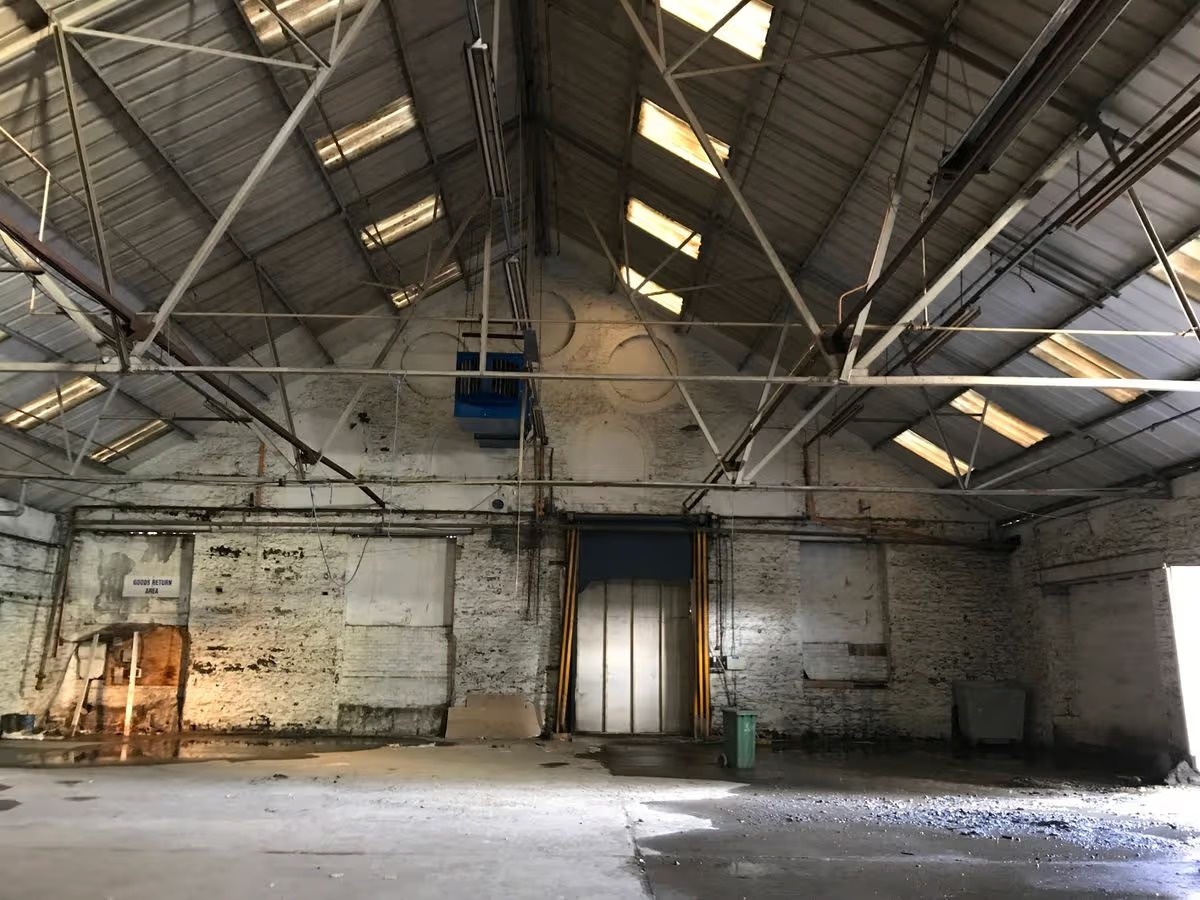
Swansea Council’s planning records show the building has been edging towards this point for nine years. Permission to convert it into 12 apartments, with a new first floor inside, parking and a link to the riverside path, was first granted in 2017 and renewed in October 2023.
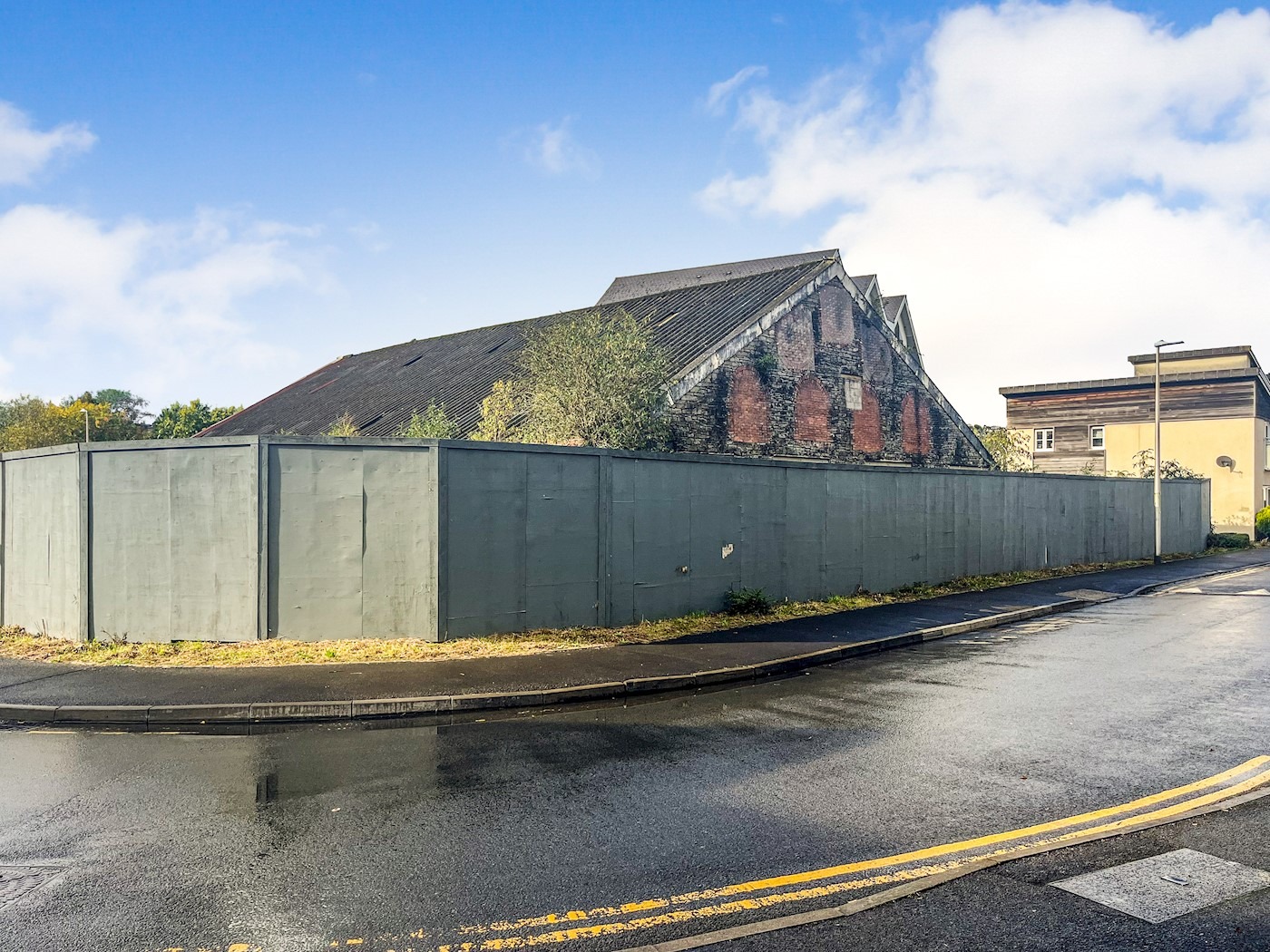
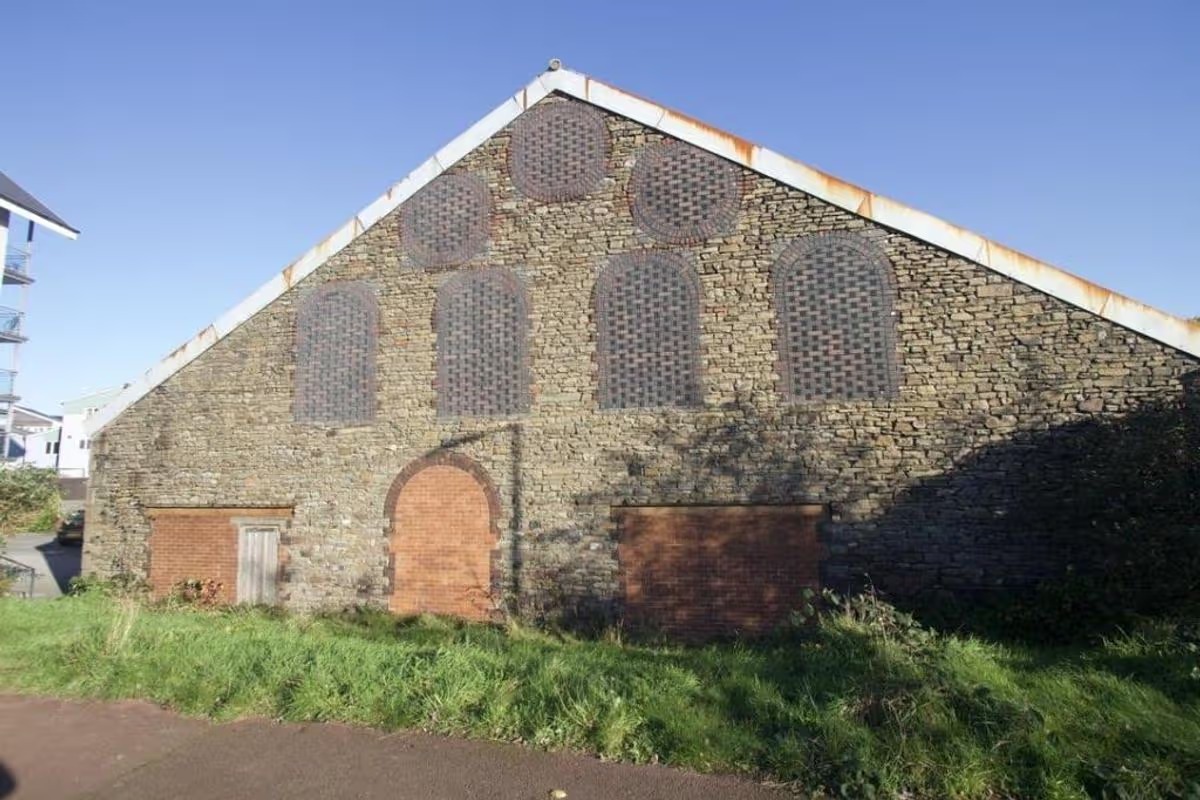
The conditions attached to it have been cleared one by one this autumn: materials, windows and doors, the glazing of the roundels in the gable, how the masonry is repaired and a bat box in September, then on 13 October an amendment that lets work on the building start while the ground around it is still being investigated. The applications were made through EBM Holdings.
Chauncey Townsend’s works, and the zinc that came after the copper
Upper Bank was founded in the mid-18th century by Chauncey Townsend, a London merchant, to smelt lead and zinc, and switched largely to copper around 1775, according to Cadw’s listing record, with zinc back on a large scale between 1838 and 1842. The sheds themselves probably date from the late 18th or early 19th century.
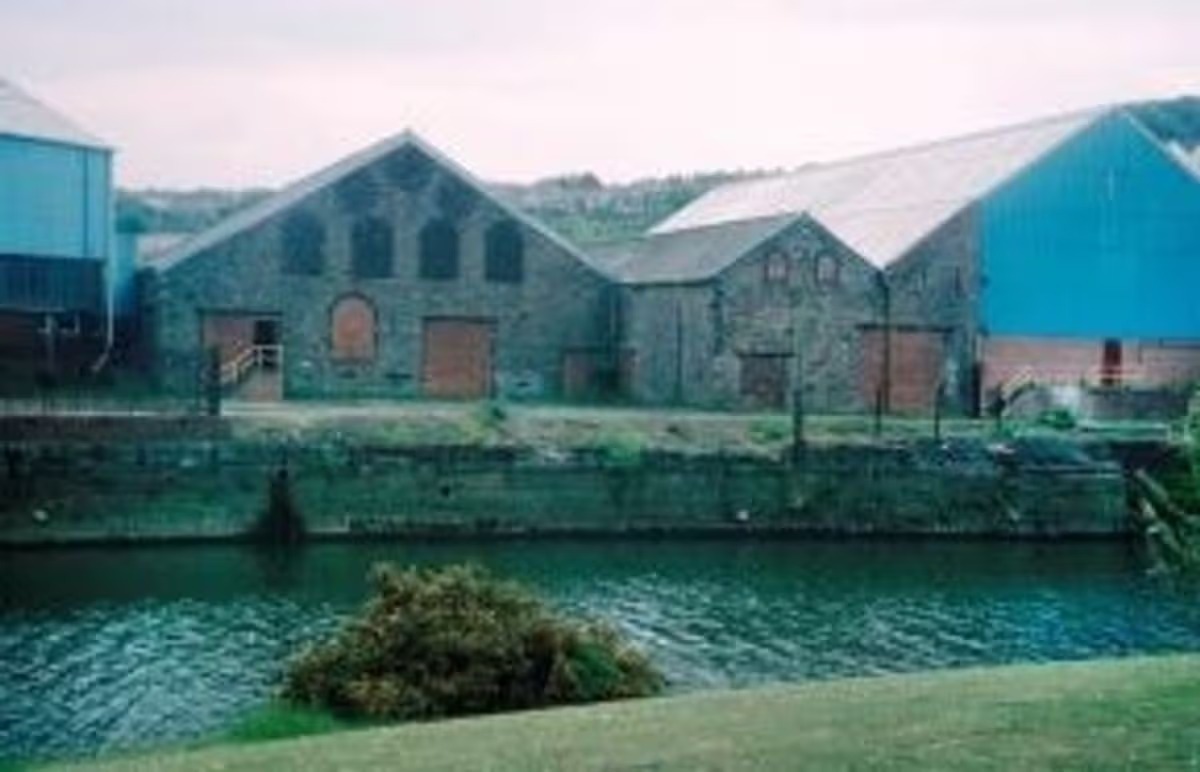
The works closed in 1928, the site became a munitions factory and was later absorbed into the Addis plastics works, and the sheds were listed in 2003 as rare survivors of the smelting era. Cadw describes squared brown rubble stone with brick dressings, four large arched openings and three roundels in the gable.
It is one of a handful of structures left from the trade that built the Lower Swansea Valley, and the valley around it is in the middle of the biggest rebuild since the works shut. Across the river, the first steel of Skyline’s cable car base station went up last month at Landore Park and Ride, and the gondola corridor has been cleared up Kilvey Hill directly behind the shed.
The council is putting new floors into the Laboratory Building and scaffolding the engine houses at the Hafod-Morfa Copperworks. The Bascule Bridge at Landore is in its last phase of repair before the span goes back next year.
Downstream, White Rock, the third-oldest copperworks in the town, is the subject of a feasibility study on its future as a heritage park.

The rest of Wales’s listed stock is not in great shape either, with FRP citing Cadw’s estimate that between 8.5 and nine per cent of the country’s 30,119 listed buildings are at risk. In July SAVE Britain’s Heritage added five buildings from Swansea, Llanelli and Carmarthenshire to its own register of buildings in danger.
Converting one is harder to finance than building new, FRP says: valuers need specialist knowledge, a lender may struggle to sell the building on if the loan goes wrong, and conservation rules can block the insulation and glazing changes that rental homes need to meet energy standards.
The loan runs for 18 months, which is the window FRP says the repair work has to fit into.

Discover more from Swansea Bay News
Subscribe to get the latest posts sent to your email.