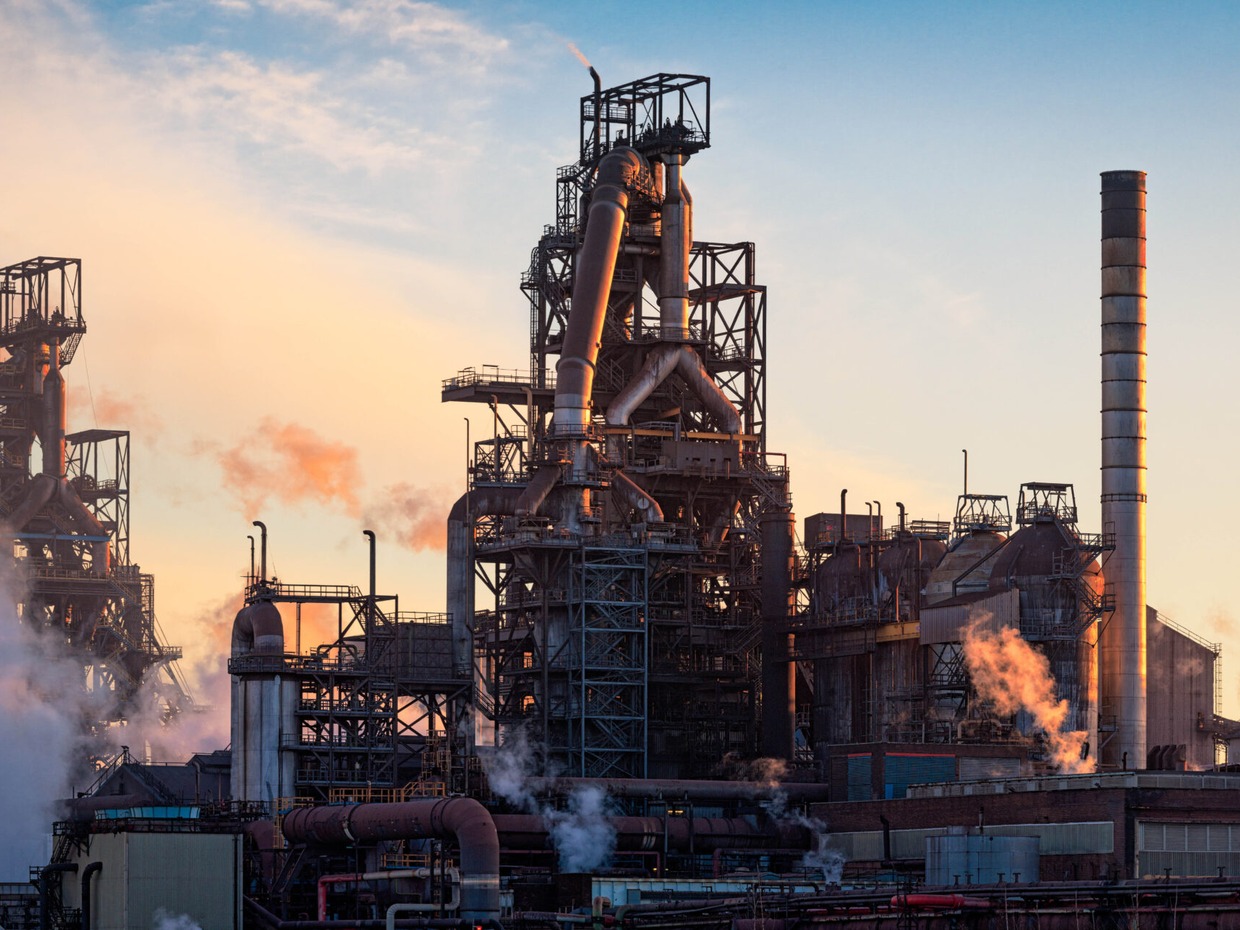
Not a penny of the UK Government’s £2.5bn steel fund has been spent in Wales, the department running it has confirmed, while Port Talbot waits for the furnace meant to bring steelmaking back.
The £923m that has gone out so far has kept two steelmakers in England going, a Freedom of Information response shows.
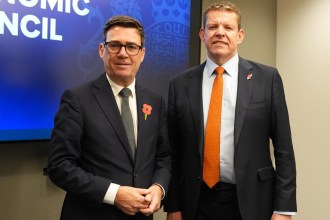
The figures were obtained by the Welsh Liberal Democrats, whose leader David Chadwick says Labour’s Welsh MPs should be demanding a share.
£751m for British Steel and £172m for Speciality Steel UK
In a reply dated 18 November, the Department for Business, Innovation, Science and Trade said that by 20 October it had spent £751m on British Steel and £172m on Speciality Steel UK.
The British Steel money went on working capital such as raw materials and wages, it said. The rest paid for the official receiver to keep Speciality Steel UK’s sites safe and run a sale of the business.
Together that is more than a third of the £2.5bn. On Wales, the department said the government “has not spent, nor allocated, nor committed any money” under the commitment.
Port Talbot’s £500m furnace grant is counted separately
That does not include the £500m grant towards Tata Steel’s electric arc furnace. The Lib Dems left it out of their request, and the department says the £2.5bn is on top of it.
The department said the £2.5bn is not a fund that firms bid for, and that it has neither asked for nor received applications from steel companies. It said the money is being delivered through direct support and the National Wealth Fund.
Chadwick tells Welsh Labour MPs to demand a fair share
Mr Chadwick, the MP for Brecon, Radnor and Cwm Tawe, accused Labour of talking about saving Welsh steel when it wanted Welsh votes.
Of Labour’s Welsh MPs, he said: “They need to grow a backbone and demand a fair share for Welsh steel now.”
When he became leader earlier this month, he said he had asked how much of the fund had been spent in Wales and had not been given a straight answer.
His party says Labour’s 2024 Welsh manifesto promised some of the £2.5bn to Wales, on top of the Port Talbot grant.
A minister said the Welsh Secretary would bring in steel investors
The Welsh Secretary is now Stephen Kinnock, whose Aberafan Maesteg seat takes in the steelworks.
In March, before he took the job, a business minister told Plaid Cymru MP Ben Lake the Welsh Secretary would bring the National Wealth Fund and private investors together to draw money into Welsh steel projects.
Government points to £64m for the port and £11m for Swansea University
A UK Government spokesperson told the BBC it had invested extensively in Port Talbot, listing the furnace grant, £102m for workers and businesses hit by Tata’s changes, £64m for the port and £14.8m for the town centre.
The spokesperson said the National Wealth Fund welcomed applications from companies in Wales.
In its reply to the Lib Dems, the department pointed to other money. Cardiff’s 7 Steel UK, formerly Celsa, has been awarded more than £20m from a separate fund for cutting energy use and emissions, it said.
Swansea University has £11m from a research council for a seven-year steel research hub called IGNITE, the department added.
Full spending figures held back until summer 2027
The department refused to hand over its own records of where the steel money has gone across the UK.
It said they will be published in its accounts in summer 2027, and that releasing them early would not be the best use of public resources.
From the last blast furnace in 2024 to a furnace now due in 2028 or 2029
Port Talbot’s last blast furnace was shut down on 30 September 2024, ending more than a century of traditional steelmaking in the town, with 2,800 jobs lost directly.
Tata said the furnaces had been losing about £1m a day.
Weeks later the company signed the contract for the replacement, an electric arc furnace that melts scrap using electricity. Tata put in £750m and the UK Government up to £500m.
Welcoming that deal, the then Business Secretary Jonathan Reynolds promised a steel strategy backed by up to £2.5bn.
Ministers broke ground on the furnace in July 2025, when it was expected to be making steel by late 2027.
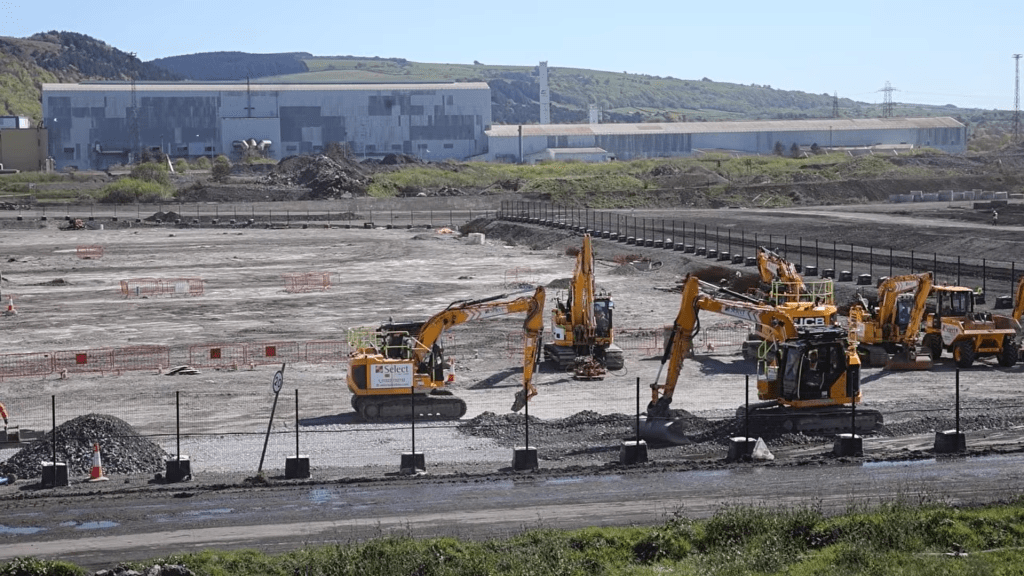
The strategy itself was launched at the Port Talbot works in March this year, with a promise of up to £2.5bn in further funding during this Parliament.
By June the furnace’s main parts had been built and were on their way to south Wales. That month it also emerged Tata had warned investors the power connection was running six to eight months late.
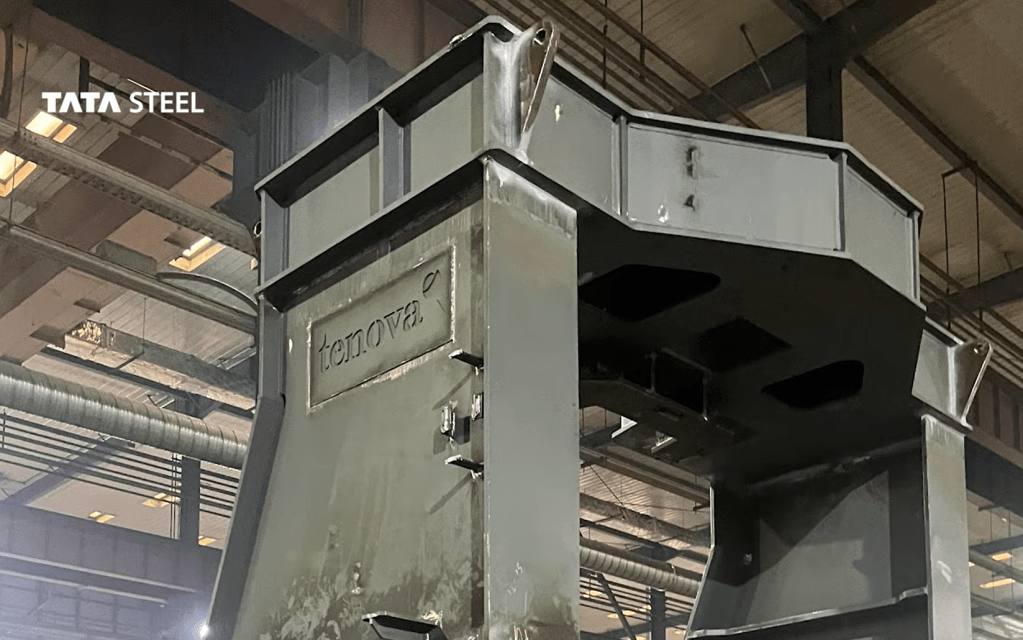
Tata is now understood to expect steelmaking to restart in late 2028 or early 2029. It is also reported to want hundreds of millions of pounds more from taxpayers, a request the government has paid accountants £1m to check.

Discover more from Swansea Bay News
Subscribe to get the latest posts sent to your email.