

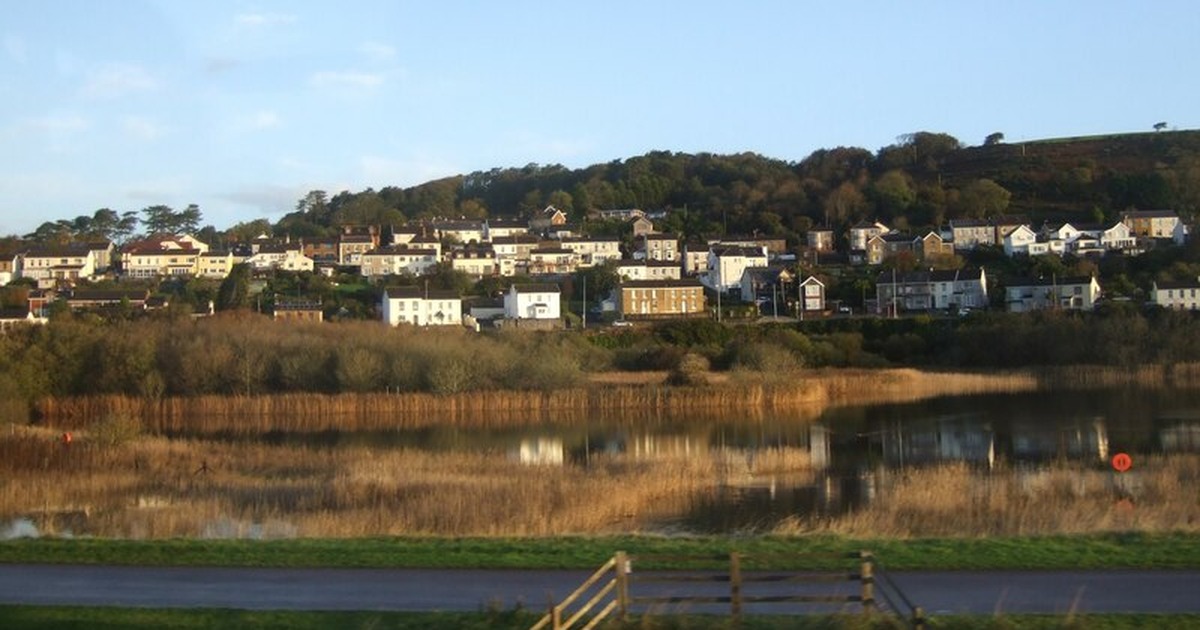
Carmarthenshire Council dug the lakes at Pwll for anglers. The sea had other ideas.
Salt water got in, the lakes turned brackish, and the coarse fishery didn’t last.
Twenty-five years on, the lagoon the sea left behind, Ffynnon Helyg, has been given the go-ahead to become a Local Nature Reserve.
Cllr Hazel Evans, the council’s deputy leader, signed it off on 1 September. It covers about 10 hectares of council land on the edge of the village.
How the sea turned the Pwll fishing lakes into a saline lagoon
The lakes were dug around the turn of the millennium as part of the Millennium Coastal Park.
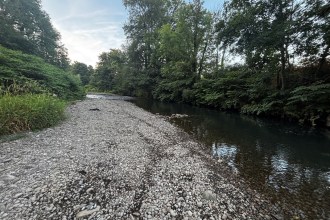
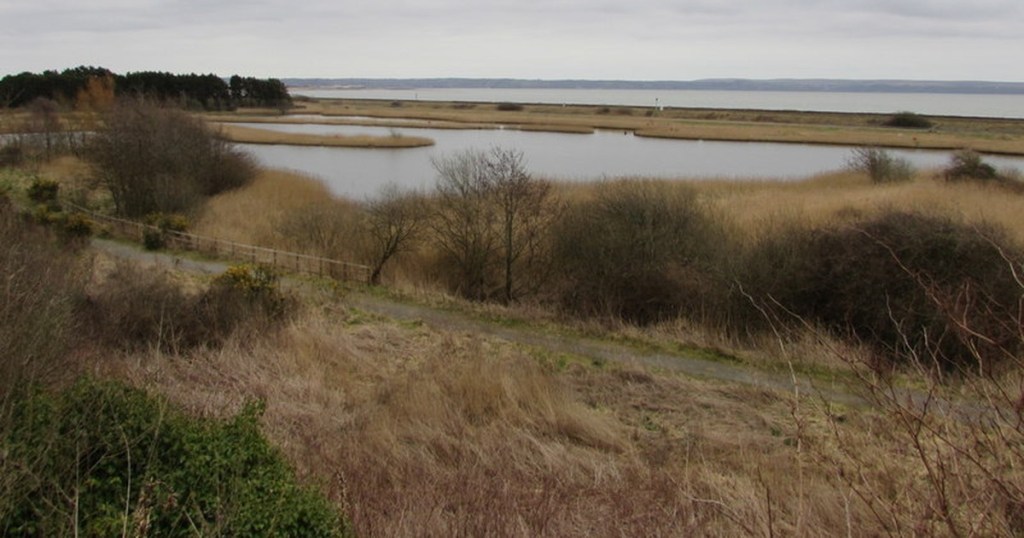
Then the sea found its way in. Left to itself, the site has grown into a brackish lagoon ringed with reeds, with drowned trees, a gravel island, and patches of the same saltmarsh plants that grow at Pembrey Saltings.
Put aerial photos from the 1990s next to ones from 2023 and the change is plain to see, the council says.
Birdwatchers already have a floating nesting raft to look out on and two hides to watch from.
There’s village history here too. An old saltmarsh pool, long since gone, was once used for ice skating, according to the council, and it was that pool that gave Pwll, the Welsh word for “pool”, its name.
A Llanelli naturalist saw it coming in 2001
Not everyone would have been surprised. Back in 2001, as the work was being finished, local naturalist Ian K Morgan warned that the new lake might get the odd tidal incursion, which could leave the water somewhat brackish.
That, he wrote in a survey for the Llanelli Naturalists Bulletin, would shape what moved in, “and the fishing!” Even then, up to about 15 cormorants were roosting on the narrow spit, and herons were regulars.
Ffynnon Helyg is now one of Wales’s rare saline lagoons
Wales has very few saline lagoons. A survey the council commissioned last year rates Ffynnon Helyg as an important addition to them.
Not bad for somewhere artificial and less than 25 years old. The survey found it has already picked up the kind of wildlife you would expect in a natural lagoon.
The council says some of the species living there matter “internationally”. It hasn’t said which ones.
What the new nature reserve means for walkers at Pwll
Walkers and birdwatchers can keep using it. The council says the new status is about protecting the wildlife while locals keep enjoying the site, and officers said it would not stand in the way of future improvements.
Natural Resources Wales has signed off the plan, and a public notice will follow once the formal declaration is made.
Ffynnon Helyg is not the old Pwll ash lagoon next door
Don’t mix it up with the Pwll Ash Lagoon just to the west. That was the power station’s old fuel-ash settling pond, and it has a reputation of its own among naturalists for rare plants.
Across the Loughor, Swansea Council is preparing to declare 14 Local Nature Reserves of its own by next March.

Discover more from Swansea Bay News
Subscribe to get the latest posts sent to your email.