

The deepest solar eclipse visible from Wales in 27 years arrives on Wednesday evening, and Swansea Bay has some of the best seats in Britain.
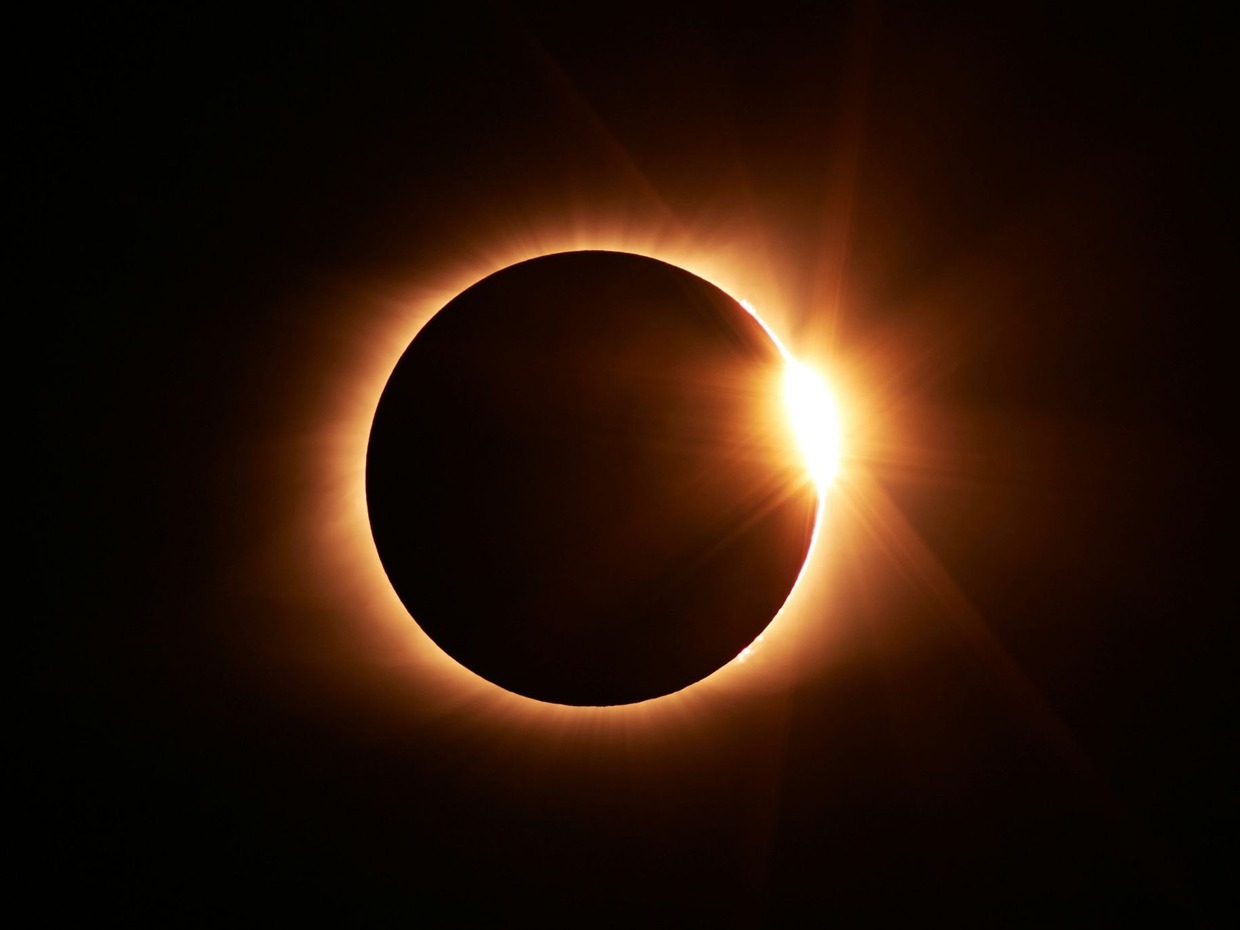
On Wednesday 12 August, around 93% of the sun will be covered by the moon as seen from south Wales, according to the Royal Observatory Greenwich, the most coverage seen from the UK since the total eclipse of 1999.
The show starts a little after 6.15pm, as the moon takes its first bite from the sun’s edge. The deepest phase comes shortly after 7pm, when the sun will be reduced to a thin downward-curving crescent, with the eclipse ending as the sun sinks towards the horizon.
That evening timing is what makes location matter. The whole event plays out low in the western sky, so a clear, open west-facing horizon is everything.
Which is where Gower earns its place. Rhossili Down, the peninsula’s highest point, looks straight out over the open Atlantic with nothing between you and the horizon, and Cefn Bryn’s ridge offers the same westward sweep.
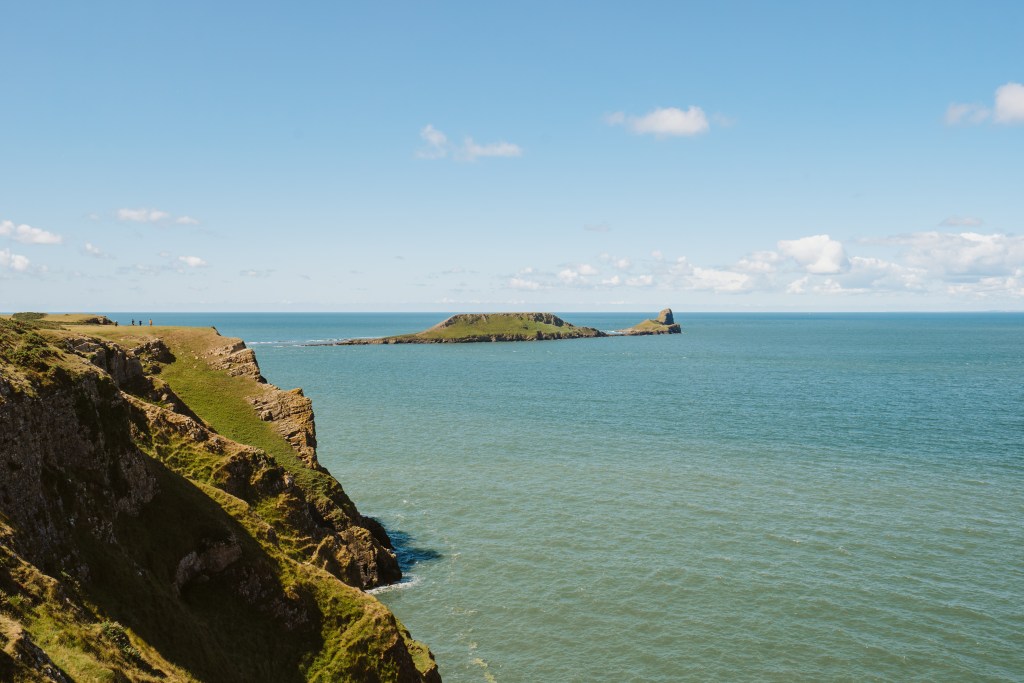
The coast does the job too: Aberavon’s seafront faces the setting sun across Swansea Bay, while Cefn Sidan and Pembrey Country Park look west over Carmarthen Bay, and the Millennium Coastal Path west of Llanelli watches the sun drop over the estuary.
Anywhere works, in truth, if you can see the western sky without a hill or rooftop in the way. The one enemy is an August evening’s cloud, so a spot you can move from beats a spot you’re committed to.
Do not look at it. Really.
The safety rule has no exceptions: it is never safe to look directly at a partial eclipse, even for a moment, and even at 93% coverage the remaining sliver of sun can permanently damage your eyes.
Sunglasses are not protection. Proper eclipse glasses certified to the ISO 12312-2 standard are the only safe way to look directly, and they need to be undamaged and genuine.
No glasses? A pinhole in a piece of card, projecting the sun’s crescent onto a second piece held behind it, gives a safe indirect view, and a colander held up to the sun casts dozens of tiny crescents.
Cameras and phones need solar filters too, as the sun can damage sensors just as it damages eyes.
There is a second act. The eclipse happens at new moon, which means Wednesday night’s skies stay properly dark, and the Perseid meteor shower reaches its peak in the hours that follow. One evening, two of the year’s biggest sky events.
If clouds win on Wednesday, the wait for the rematch is long: the next total solar eclipse visible from Wales does not arrive until 2090.
Clear skies willing, the sun over Rhossili on Wednesday evening will be a sight nobody watching will forget. Just don’t look at it without the glasses.
Related stories from Swansea Bay News
RHOSSILI: Sunflower fields open for summer today
Another reason to head west this month, with the Vile in full bloom.
Historic Waverley paddle steamer to get extended summer Bristol Channel season
The last seagoing paddle steamer on Swansea Bay’s waters this summer.
SWANSEA: Luxury cruise ship docks in the city
One of just two cruise calls due at the port all year.

Discover more from Swansea Bay News
Subscribe to get the latest posts sent to your email.