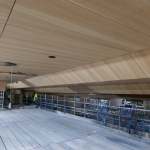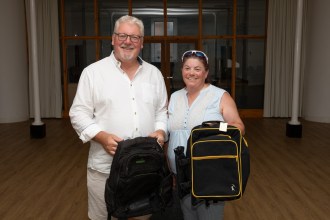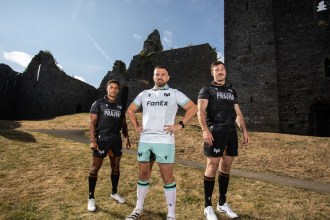



Alun Wyn Jones has taken a seat on a new board created to steer the community side of St Helen’s £7.6m rebuild — as the Swansea Rugby Community Board met for the first time.
The board oversees the community programme at the heart of Swansea Council’s partnership with the Ospreys, who move into the redeveloped Brynmill ground next season.
Alongside the former Wales and British and Irish Lions captain sit Andy Moore — the former Ospreys and Wales player now community director of rugby — Mahaboob Basha of the Swansea Bay Muslim Consortium, Jamie Rewbridge of Activate West Wales, and former Wales international and entrepreneur Alecs Donovan.
The council says further members will be added so the board reflects the breadth of Swansea’s communities and rugby network.
Its job is to strengthen the links between grassroots and professional rugby — increasing participation, improving access to facilities, and supporting the development of players, coaches and volunteers.
That includes deciding how the community shares in the council’s investment at St Helen’s: year-round access to the new 3G pitch and upgraded facilities, alongside an expanded programme of coaching, education and community engagement.
Jones, who attended the first meeting, said: “It’s encouraging to see a board which brings together people who care deeply about the future of rugby in Swansea.”
He said he had experienced first-hand the opportunities community rugby creates, and that strong clubs, dedicated volunteers and inspiring coaches were the foundations of the game.
The board’s role, he said, was to make sure the investment created opportunities for everyone — “whether that’s a child picking up a rugby ball for the first time, a coach looking to develop their skills, or a local club accessing first-class facilities”.

Working together, he added, could reconnect the grassroots and professional game and ensure St Helen’s “becomes a place that serves the whole community as well as elite rugby”.
Council leader Rob Stewart called the first meeting “another important milestone”, saying the investment was about far more than building a new stadium.
He said the aim was a clear pathway from school and community rugby through to the professional game, built on a genuine community partnership.
And he made a bigger claim for the model: “We believe this collaborative approach is unlike anything else in UK rugby and can become a blueprint for strengthening the game at every level.”
The board will meet quarterly, overseeing an annual programme covering participation, coaching and volunteering, support for schools and clubs, inclusion, health and wellbeing — and a player pathway running from grassroots rugby to the Ospreys.
The rebuilt St Helen’s — with its new seafront stand and near-7,000 capacity — took another visible step last month when Europe’s tallest sports floodlight came down after more than 60 years over the ground.
Discover more from Swansea Bay News
Subscribe to get the latest posts sent to your email.