When Swansea Bay News told the story of the night boat to Cork and two centuries of crossings before it, the response from readers showed how much Swansea misses being a ferry port.
So we asked the industry itself whether the city could ever be one again — putting the same four questions to five of the biggest ferry operators in British and Irish waters.
Each was asked whether it had been approached about, or had any interest in, the proposed Swansea–North Devon crossing; whether a revived Swansea–Cork route would ever feature in its plans; whether a direct Wales–France link — Swansea to St Malo or a comparable port — would be operationally realistic; and whether south Wales features in its network planning.
And the answer from one of Europe’s best-known operators carried real warmth: Wales, Brittany Ferries told us, is already “an important part of our world” — and the company is following Swansea’s ferry ambitions “with genuine interest”.
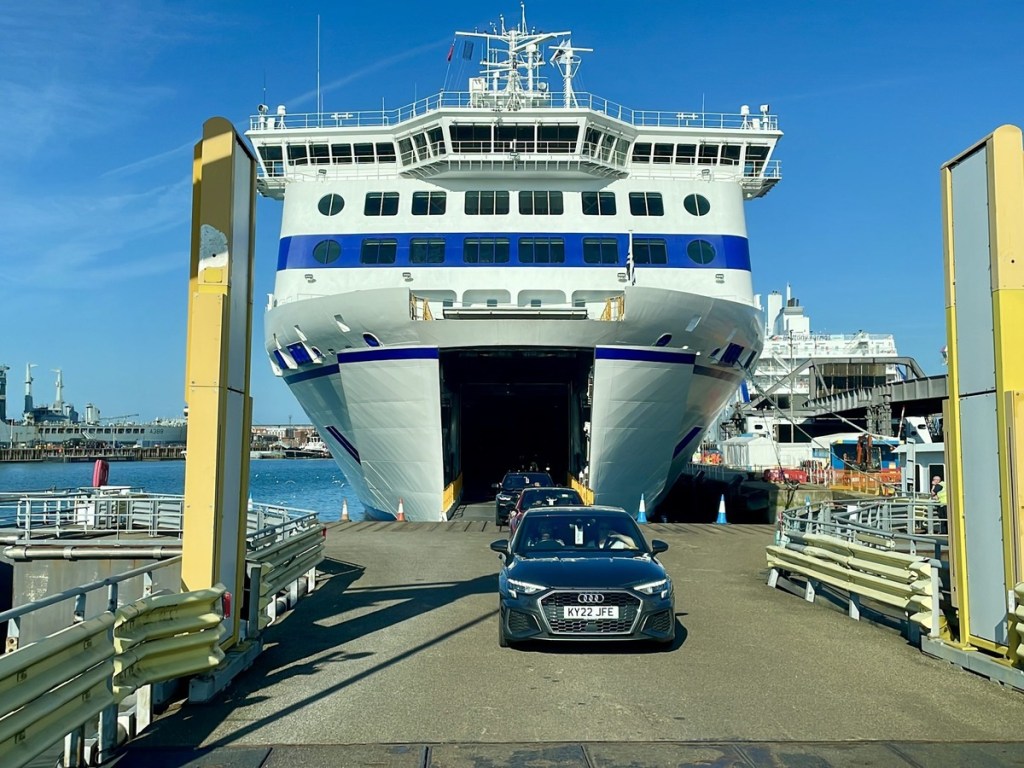
A spokesperson for Brittany Ferries said: “Wales is already an important part of our world, even without a direct route. A significant proportion of our customers travel to us from Wales, and the trade and cultural links between Wales and our network of ports go back a long way.”
“So we follow developments like the Swansea/North Devon feasibility work with genuine interest,” they added.
On the specific routes, however, the company was clear: “We’ve nothing to announce regarding a Swansea/North Devon, Swansea/Cork or Wales/France service.”
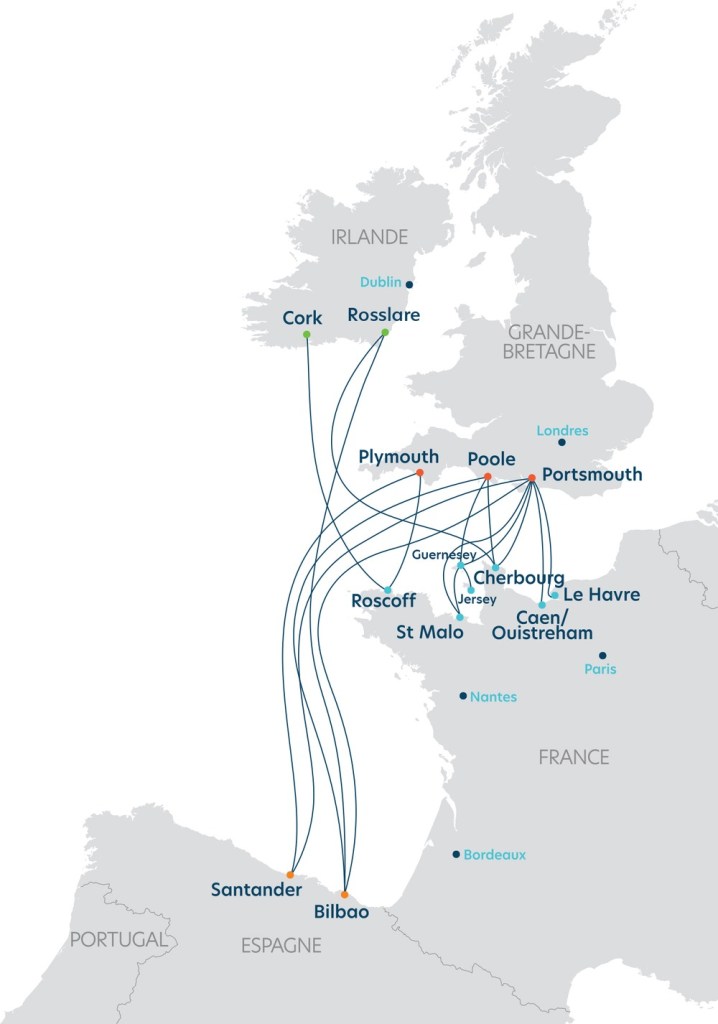
The spokesperson said route planning depended on a wide range of commercial, operational and vessel-availability factors, and the company would not speculate on hypothetical routes — but added that while south Wales does not feature in its published network plans, the network is kept “under ongoing review”.
Brittany Ferries’ warmth stood out, because none of the five operators said it was considering a Swansea service — and none said it had been approached about running the proposed North Devon crossing.
Danish operator DFDS gave the most direct answer. A spokesperson said: “While DFDS continuously assesses potential route opportunities across its network, we are not currently considering or pursuing any services involving Swansea or South Wales.”
P&O Ferries declined to comment. Irish Ferries — whose predecessor B&I ran the original Swansea–Cork crossing before switching to Pembroke Dock in 1979 — acknowledged the questions but had not responded by our deadline, and Stena Line did not respond.
Associated British Ports, which owns the Port of Swansea, did respond — and left the door open. A spokesperson said: “As the owner and operator of the port of Swansea, Associated British Ports will continue working with any interested parties regarding the viability of a new ferry operation from Swansea.”
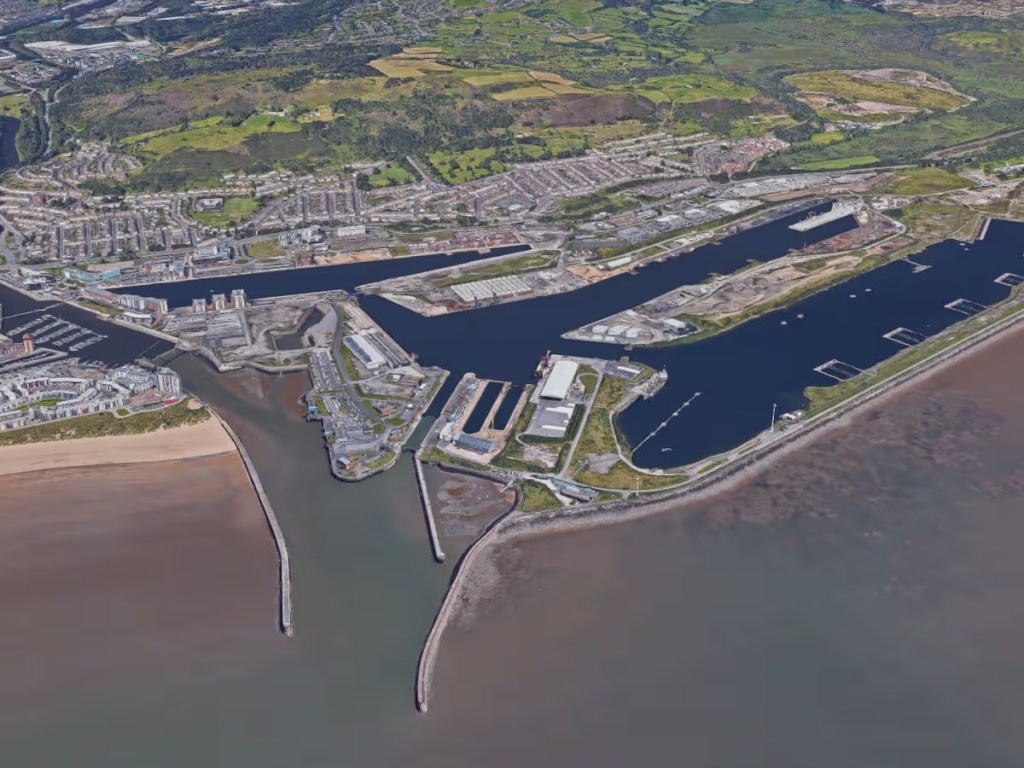
The question of who would actually operate a Swansea service has hung over the council’s ferry ambitions since the feasibility report promising 800,000 annual passengers and a £600m boost was published — with its own figures now facing council scrutiny.
The operators’ answer to a second question — how significant a constraint vessel availability now is — goes to the heart of why Swansea’s last ferry died.
Swansea Cork Ferries stopped sailing in 2006 after selling the Superferry and failing to find a replacement vessel, ending a route that had carried 2.85 million passengers since 1987.
Fastnet Line revived the crossing in 2010, but it lasted less than two years before financial collapse — the second failure Swansea Bay News put to the operators in asking what would need to be different today.
The council’s proposed crossing points the other way — a fast catamaran to the south west of England rather than a night boat to Ireland — and drew 4,396 consultation responses, with 97.8 per cent in support.
The feasibility report is due before council scrutiny, and Swansea Bay News will report any operator responses received after publication.

Discover more from Swansea Bay News
Subscribe to get the latest posts sent to your email.