

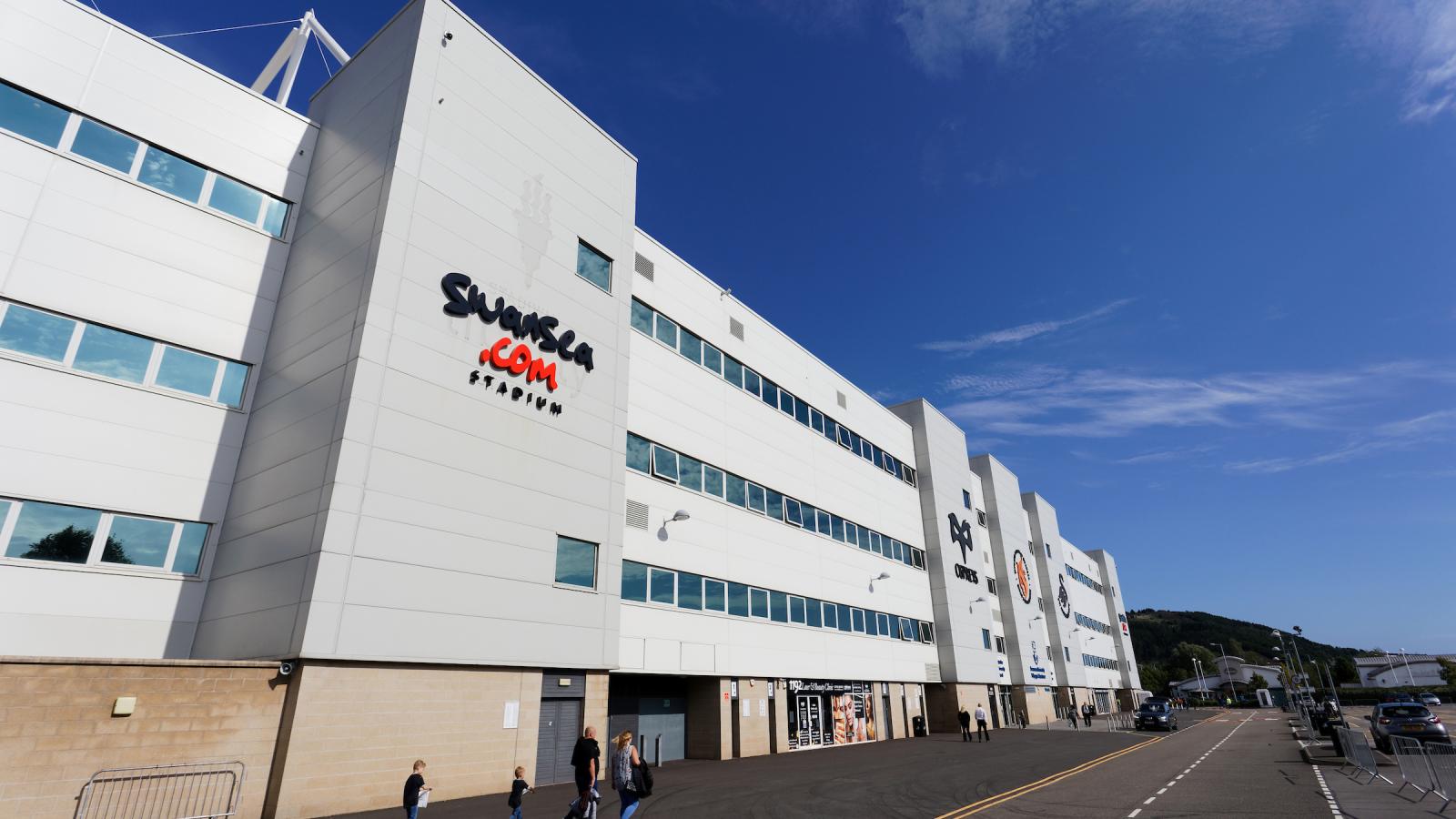
Swansea Council is preparing to sell the Swansea.com Stadium to Swansea City — with the price the club will pay set to be discussed behind closed doors.
Cabinet members will be asked next Thursday (16 July) to agree the sale of the council’s freehold in the stadium to the Swans, subject to detailed heads of terms contained in a closed report.
The public report says terms have been “tentatively agreed” following lengthy negotiations which “generate a large purchase price, plus additional contingent fees in the event of promotion as well as retained ticket and hospitality benefits” for the council.
Full details of the offer will be considered in closed session — meaning the figure will not be public when the decision is made.

(Image: Swansea City FC)
The stadium — known as the White Rock Stadium during construction, before its first naming rights deal saw it open as the Liberty Stadium — was built by the council and let to the Swansea Stadium Management Company on a 50-year term. The lease was amended in 2018, introducing a rent to the council which has been uplifted in line with the agreement since.
The report, by the council’s head of property and regeneration Geoff Bacon, says the club has to own its most important asset to maximise investment and funding opportunities.
It is unusually blunt about the alternative: “a stagnant football club is not adding to the Council’s asset value,” the report states. “More concerning is that a failing football club could lead to a significant and costly liability.”
The report says the stadium played its part in Swansea City’s promotion to the Premier League, estimated to have been worth £58m — £82m in today’s money — to the local economy in the first year alone. The club spent eight seasons in the top flight, with one season in Europe following its League Cup triumph, and is of the opinion the overall value to the local economy across that period exceeded £500m.
The club “remains ambitious to look to repeat previous successes”, the report says — but the current stadium set-up “affects their ability to compete”. The Swans have already set out plans of their own for the ground, including a 1,700-capacity fan zone unveiled in April.
The club’s new American-led ownership — which counts Snoop Dogg, Martha Stewart and Croatia great Luka Modrić among its minority investors — has been actively seeking to buy the stadium, according to the report. Last month Los Angeles firm Shamrock Capital committed “significant capital” to the club.
The proposed sale also comes as the stadium’s other long-standing tenant prepares to move out — the Ospreys are heading for a rebuilt St Helen’s, where the council has set out plans for a £7.6m redevelopment with a near-7,000 capacity.
The club pointed to that changing picture itself on Thursday morning, confirming its offer had been submitted and saying it “makes sense operationally and financially” to buy the ground now the Swans are “the only team playing at the venue”.
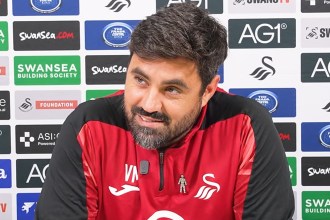
Chief executive Tom Gorringe said: “This is a highly significant moment for Swansea City as, after over two decades playing at the Swansea.com Stadium, we move towards taking outright ownership of the ground.”
He thanked the council for its “assistance and professionalism”, adding that owning the stadium was “of major strategic benefit” to the club.
The council issued its own statement after the cabinet papers were published, with council leader Rob Stewart saying it wanted “to do all we can to help the Swans be successful and return to the Premier League so fans can see them playing teams like Liverpool, Manchester City and Manchester United every week.”
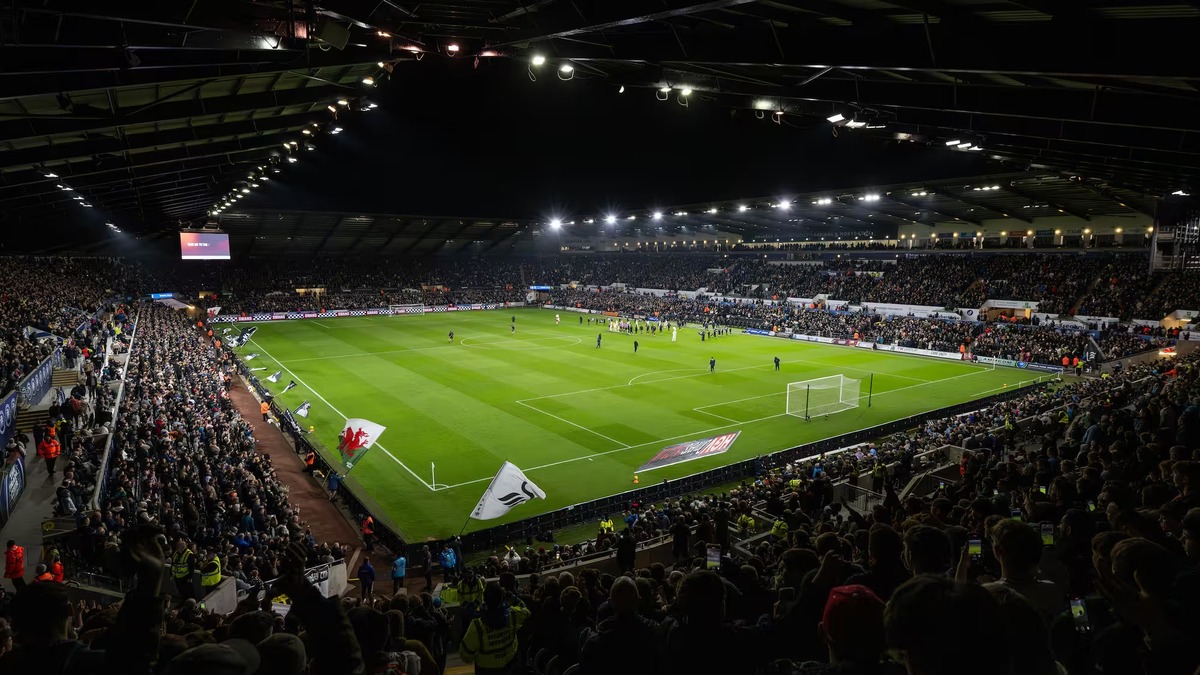
“When Swansea City succeeds, the benefits extend far beyond the stadium,” Cllr Stewart added. “Local businesses benefit from increased footfall, jobs are supported, the city gains valuable international exposure, and communities enjoy a renewed sense of pride and optimism.”
No consultation has taken place on the sale. The report says that as freeholder the council has limited control or input over wider stakeholders — though it notes the club’s community ticket initiatives, including more than 100 tickets made available to its Foundation every game.
Under the Local Government Act, the council has a duty to obtain the best consideration reasonably obtainable when it disposes of land. The Director of Place certifies that the site has been adequately exposed to the market and that the offer represents the best price likely to be achieved — a position the report says an independent valuation has confirmed.
The land also forms part of existing playing fields, which means Welsh regulations requiring community involvement in disposal decisions must be considered — rules which normally require a public consultation before a playing field is sold, though the report notes the requirements do not apply in certain circumstances.
The council will lose the rent it currently receives once the freehold is sold, with the report noting budget adjustments will be needed to reduce rental targets.
An integrated impact assessment screening found no adverse implications and categorised the impacts as low — while noting the cumulative impact “may well be considerable if the outcome of the sale leads to a successful city football club”.
If cabinet agrees the sale, detailed terms and documentation will be delegated to the Director of Place, in consultation with the cabinet member for economy, finance and strategy and the council’s head of legal.
The decision comes days before the Swans open their Championship season at Stoke — in a campaign where a return to the Premier League would now carry a bonus for the council too.

Discover more from Swansea Bay News
Subscribe to get the latest posts sent to your email.