Swansea’s schools are owed at least £11m this year to support children with additional learning needs, the city’s council leader has claimed — money he says Wales’s new government is holding back.
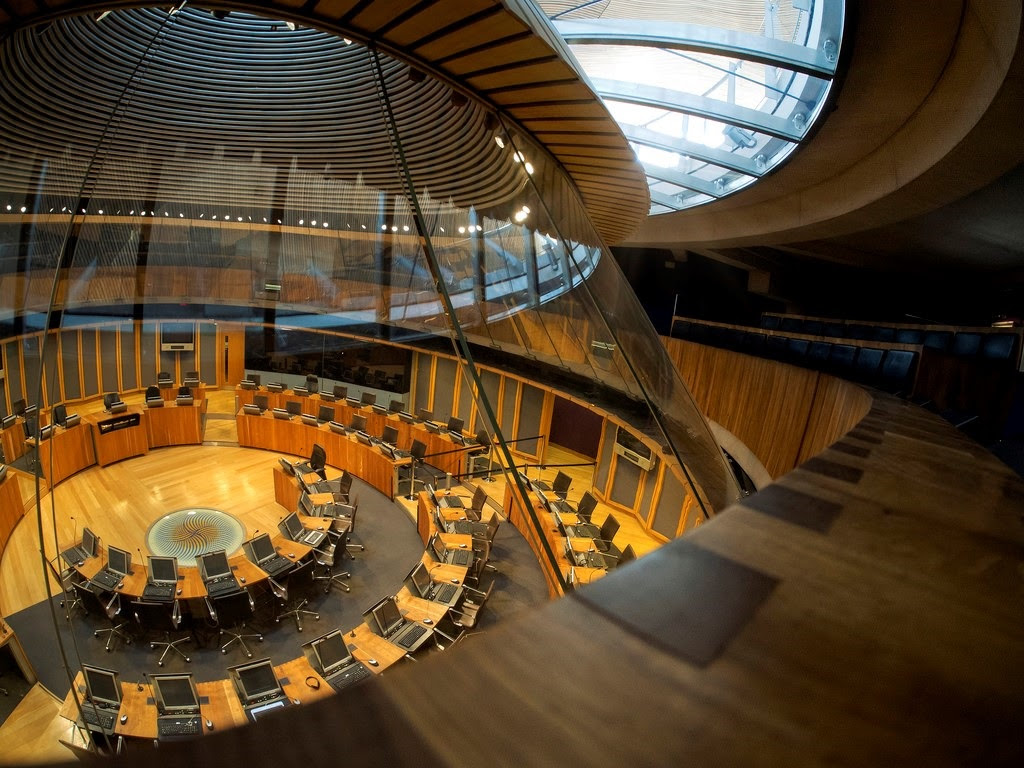
Rob Stewart, the Labour leader of Swansea Council, made the claim as a national row over school funding came to a head in the Senedd — with a knife-edge budget vote expected at around 7pm tonight, after a debate beginning at 6pm.
Writing on social media, Stewart said the Plaid Cymru government had been given £330m as a result of extra special educational needs spending in England — but was offering just £40m to Welsh schools this year.
That, he said, was “£290m less than they should have”, and he called on the government to “pass on the money they have been given to the schools and pupils who need it.”
The £11m is Stewart’s own calculation of the city’s share rather than a confirmed allocation — and it lands as Labour politicians at every level train their fire on the government’s handling of the fund.
The dispute centres on what is known as additional learning needs, or ALN — the support schools give to children with a range of extra needs, where demand has been rising faster than budgets — and it has become the flashpoint in the biggest test yet for a government less than 100 days old.
Nationally, the row has escalated on two fronts at once: the teaching unions and the Labour opposition are both piling pressure on the government in the same week.
The two unions representing Wales’s school leaders — NAHT Cymru and ASCL Cymru — have jointly declared a formal trade dispute with the government over pay and ALN funding, and requested talks through the conciliation service ACAS.
Their dispute follows the government’s decision to consult on a 3.5% pay rise for teachers, rejecting the 4.25% figure recommended by the Independent Welsh Pay Review Body.
Paul Whiteman, general secretary of NAHT, said ignoring the independent pay body “undermines the whole process”, and that the decision would “feel like a slap in the face” for teachers whose pay had fallen in value since 2010.
Pepe Di’Iasio, general secretary of ASCL, said schools were “on their knees” trying to support children with additional needs without adequate funding, and that the unions had registered the dispute “reluctantly and as a last resort.”
The actual figure, as reported by ITV Cymru Wales, is £327m — close to Stewart’s number, though the unions have put the sum at more than £500m. The government is not required to spend the money on ALN, and both the current Plaid administration and the previous Labour government have argued Wales faces different needs in the sector.
Into that fight has stepped Welsh Labour‘s interim leader, Ken Skates, who has written to the First Minister urging him to withdraw the supplementary budget — the revised spending plan due to be voted on tonight — altogether.
In his letter, Skates called the unions’ trade dispute “both unprecedented and deeply regrettable”, and said Labour could not back a level of ALN funding “that falls short of the scale of the need.”
Skates told ITV Cymru Wales the government was “now negotiating on multiple fronts” and described “quite frankly, a chaotic process of negotiations” — saying there was “no other option” but to withdraw the budget.
Welsh Labour’s council leaders across Wales issued their own joint statement backing the demand, warning that without the money, councils faced “impossible choices between ALN and other vital services.”
Plaid has hit back hard, insisting the government has already moved — and accusing Labour of walking away from the table.
The government’s offer has moved twice during the talks — first £80m over two years, and now £120m over three, according to ITV Cymru Wales. Labour has rejected both, holding out for £100m in the current financial year.
Plaid Cymru MS Kiera Marshall branded Labour’s rejection of the earlier offer “deeply irresponsible”, saying “parents, pupils and teachers will rightly question Labour’s commitment to this issue.”
Marshall also pointed to what else rests on the budget: £145m towards cutting NHS waiting lists, £55m for the expansion of funded childcare, £15m to roll out free school meals in secondary schools, and £20m for social housing.
A Welsh Labour spokesperson countered that “there wasn’t a penny on the table for additional learning needs until Welsh Labour fought for it” — and that £40m this year “falls far short of what children and young people with additional learning needs require.”
A Plaid Cymru source hit back, saying that by voting the budget down Labour would be “teaming up with the Tories and Reform” — and had “learnt nothing from their humiliating election defeat in May.”
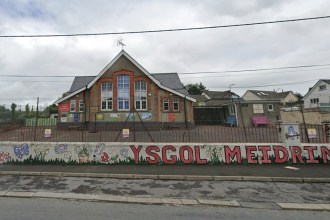
It is the second time in months the two parties have clashed over ALN funding, after Plaid accused Labour of causing “unnecessary distress” over Ysgol Heol Goffa in Llanelli.
For Swansea, the stakes are immediate: Labour’s council leaders say demand for ALN support is growing — and any shortfall in this year’s settlement lands directly on the city’s schools.
A petition organised by NAHT Cymru calling for the full £500m to be ring-fenced for ALN has now passed 11,000 signatures — enough to be considered for a Senedd debate.
Reform UK and the Welsh Conservatives have both confirmed they will vote against, meaning that if Labour follows through, the government’s defeat tonight is all but certain.
Defeat would not bring the government down — finance minister Elin Jones could simply table a new supplementary budget — but it would be a bruising early blow for a minority administration less than 100 days old.

Discover more from Swansea Bay News
Subscribe to get the latest posts sent to your email.