A children’s cancer charity that has stood beside hundreds of families across south Wales has welcomed plans for the country’s first national cancer strategy in two decades — with a warning attached.
“For the families we support, this cannot simply become another document that sits on a shelf,” Morgan’s Army said in a statement responding to the announcement.
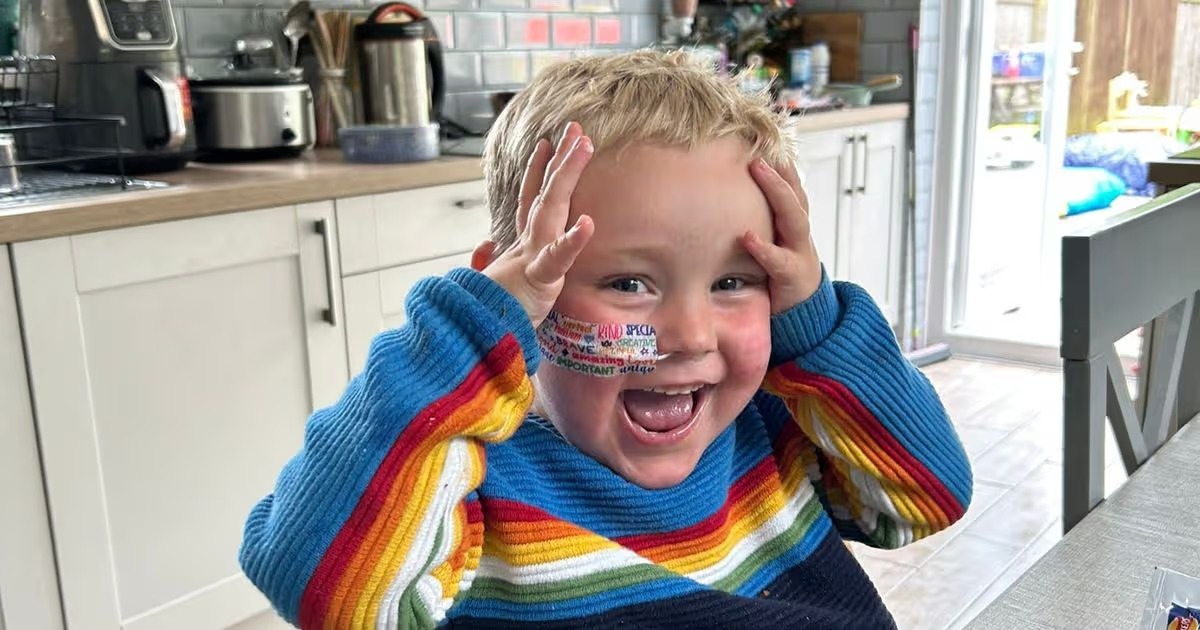
The charity was founded by the family of Morgan Ridler, who died of cancer aged just three — a little boy whose story moved thousands across Wales, with tributes from rugby stars, TV presenters and communities far beyond his hometown.
Led by Morgan’s mum Natalie Ridler, it now provides practical, emotional and financial help to families dealing with childhood cancer — and each April the Gorseinon 10K turns the town into a sea of colour in his memory, drawing more than 800 runners.
In its statement, the charity said it had seen parents forced to choose between earning a wage and being at their child’s bedside, siblings quietly putting their own childhoods on hold, and families travelling hundreds of miles for treatment “worrying about where they’ll sleep and how they’ll pay for tomorrow”.
“These are the realities that don’t always appear in statistics, but they shape every family’s cancer journey,” it said.
For the strategy to matter, the charity said, it must mean earlier diagnoses, faster access to treatment, better support for children’s cancer services, practical help with travel and accommodation, compassionate psychological support — and “care that recognises every member of the family, not just the patient”.
“If this strategy can spare even one family from unnecessary suffering, reduce even one delay in diagnosis, or make one parent’s journey a little less lonely, then it has the potential to leave a legacy that reaches far beyond healthcare.”
The first national strategy since 2006
The Welsh Government announced this week it is developing a 10-year National Cancer Strategy to transform how the disease is prevented, diagnosed and treated in Wales.
Cancer is Wales’s biggest killer, and one in two people will be affected in their lifetime — yet the government itself acknowledges the performance of cancer services “continues to lag behind where it should be”.
Cabinet Minister for Health and Care Mabon ap Gwynfor said a lack of national direction had “compromised the fight against cancer for too long” — Wales has not had a national cancer strategy since 2006.
“In the two decades since, treatments have transformed, diagnostic technology has advanced, the needs of our population have changed, and our understanding of cancer has deepened dramatically,” he said.
The strategy promises a focus on prevention, earlier diagnosis and “optimal pathways” for every cancer type from diagnosis to end-of-life care — with strengthened accountability so that, in the government’s words, a person’s postcode no longer determines the quality of their care.
A formal call for evidence will give patients, carers, clinicians, charities and the public a direct role in shaping it, alongside the Wales Cancer Alliance’s more than thirty member charities and international partners including the European Cancer Organisation.
Publication is timed for World Cancer Day — 4 February 2027.
Help with travel already on the way
One measure already in motion speaks directly to Morgan’s Army’s plea: work has begun on a travel and accommodation fund for children and young people attending cancer appointments.
The government is also developing “Right to be Forgotten” principles to help cancer survivors access financial services such as insurance, and commissioning a feasibility study for a new Rapid Diagnostic Centre in Powys.
Mr ap Gwynfor said: “For patients waiting too long for diagnosis, for families in rural communities who face greater barriers to care, and for the clinicians working hard to deliver world-class treatment with insufficient national coordination, this strategy matters.”
The region’s cancer infrastructure has been in the news throughout the summer: NHS Wales wants to turn a former DVLA call centre at Swansea Vale into a factory making injectable cancer medicines, while a Bridgend woman who packed her own bag before chemotherapy at Singleton is now making “Bailey’s Bags” for others starting treatment.

Discover more from Swansea Bay News
Subscribe to get the latest posts sent to your email.