Two. That is how many cattle were hit on the roads across the Gower commons in 2024/25, according to Swansea Council, the year 80 GPS collars went on the herds grazing Fairwood Common.
The year before, the council puts livestock casualties on the commons at around 140. In 2024/25 the figure was 33, and 31 of those were animals that do not wear a collar.
The drop is the first hard number on a problem police were still chasing with speed vans last November, when officers warned drivers that the 40mph limit across the commons was a maximum, not a target, and that cattle become almost impossible to see on the road as the nights draw in.
How a collar keeps a cow off the road
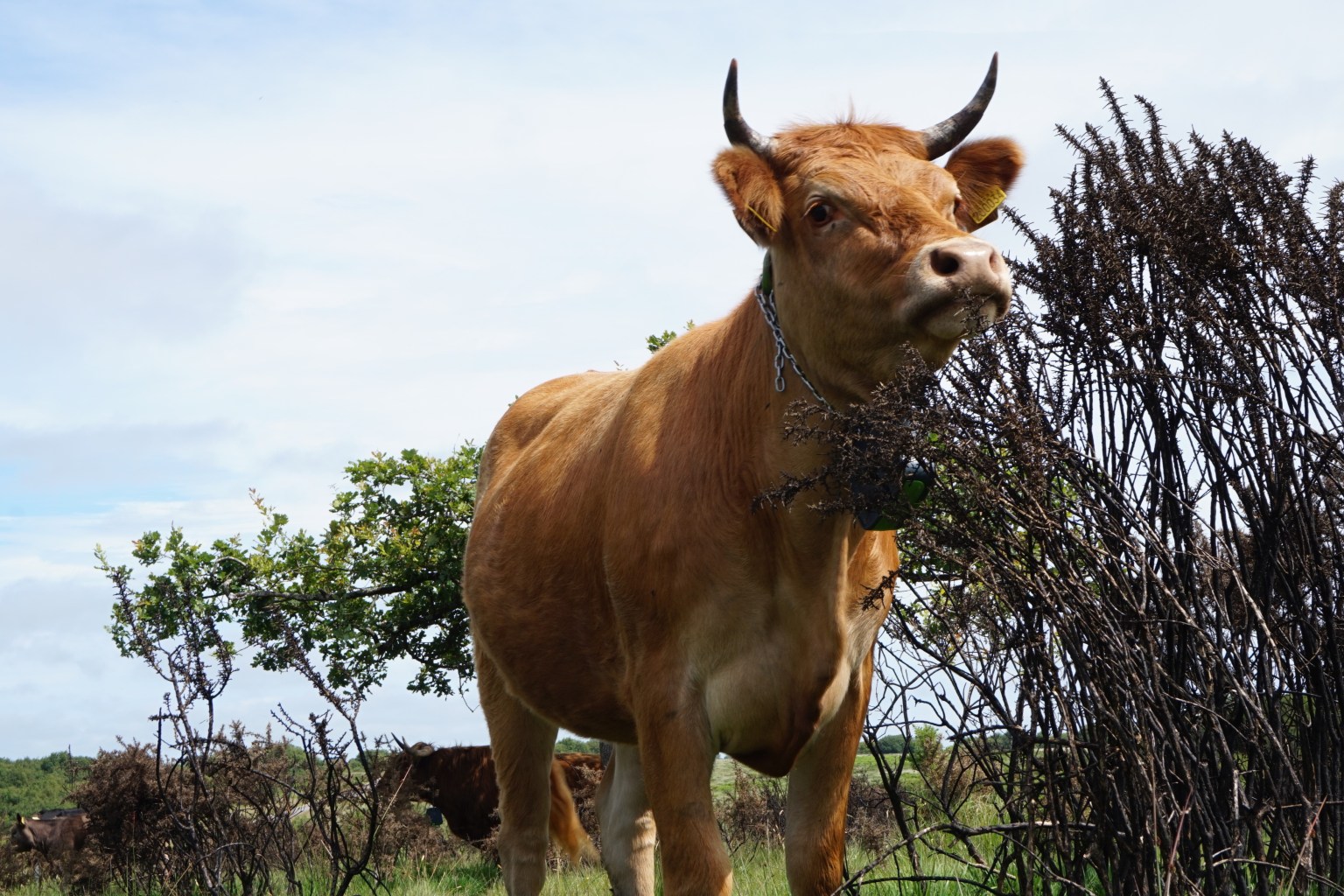
The collars are what the council calls a virtual fence. A boundary is drawn on a map instead of built across the common, and the collar tracks each animal by satellite.
Systems of this kind give a cow a warning tone as it wanders towards the line, and a mild pulse if it carries on. The herd learns the sound quickly and turns back long before the verge, with no posts, wire or cattle grids on the open common.
Ten of the 11 graziers with cattle on Fairwood now use them, and the council says they are “very enthusiastic” about the results. The collars were paid for with Welsh Government money.
The year the commons nearly emptied
The scheme arrived at what the council calls “a critical point”. Grazing on the Gower commons has fallen sharply over the past decade, road casualties are named as a key reason, and by 2023 several graziers were considering taking their animals off altogether.
That squares with what commoners told us in July, when Penmaen grazier Emma Douglas put the toll at more than 100 animals in a single year and described the slow “abandonment” of the commons, with costly TB testing the other pressure pushing cattle away.
Losing the cattle matters beyond the herds themselves. The council says grazing is the only way the commons can be kept as they are: it holds back scrub, keeps the mix of grassland, heath and wetland that the peninsula’s wildlife depends on, and reduces the fuel that feeds the spring wildfires.
Cowtan, the community cow-share Douglas set up, exists for the same reason, grazing down the purple moor grass that made this April’s fires on Fairwood and Cefn Bryn burn as fiercely as they did.
What the collars do not fix
The collars are on Fairwood only, and the casualty figures cover the whole of the Gower commons. The 31 other casualties are the caveat. Ponies, foals and sheep roam the same roads, none of them collared, and the council’s figures say they are still being hit at a rate of one every 12 days.
The council is not claiming the driving has changed. Its letter credits the collars, not the motorists, and the November police message about speed, space and sudden movements stands.
There is more money on the way for the farmers who keep the commons grazed. Ffermio Bro, the Welsh Government grant scheme run by the council’s Gower National Landscape team, paid £59,158 across 17 grants to Gower farmers in 2025/26, and the council says its capital budget for this year has risen to £210,120, with funding confirmed to 2027/28.
The scheme is limited to Gower and the other designated landscapes, and councillors have asked whether it could be opened to farms elsewhere in Swansea. The council says that is Welsh Government’s decision, though ministers have signalled they intend to widen it.
The figures come from a letter by cabinet member for environment and infrastructure Andrew Stevens, himself a farmer, to the council’s climate change and nature scrutiny panel, which meets on Tuesday. The council adds that it supports cutting firebreaks on the commons where it can, but depends on partners with the right machinery to do the work.
Correction, 22 September: an earlier version of this article said the casualty figures were for Fairwood Common. Swansea Council’s figures cover the Gower commons as a whole; the 80 GPS collars are on cattle on Fairwood Common.

Discover more from Swansea Bay News
Subscribe to get the latest posts sent to your email.